Loire Valley Wine Regions & Grapes Explained
The Loire changes character as it flows, and so do its wines. Here is how the four regions, their grapes and their styles fit together, so you taste with a plan.
One river, and yet almost nothing about the wine stays the same from one end to the other. The Loire is the longest river in France, and its vineyards run for hundreds of miles, from the flint hills near Sancerre in the east to the cool Atlantic flats around Nantes. Most visitors have already tasted three or four of its wines without ever placing them on a map. The team behind Loire Valley Wine Tours put this guide together to fix that: read the region right and you taste with intent, not by pointing at a label.
Pick a region to taste in depth instead of trying to cover the whole river in one day.
Booking choice: Vouvray Wine And Food Morning suits a Tours departure. Allow 3.5 hours and compare the included transport before arranging other stops.
Explore Vouvray Wine And Food MorningThe four Loire wine zones at a glance
The four Loire wine zones and their signature grapes, mapped east to west along the river from the region's own appellation boundaries.
What are the Loire Valley's main wine regions?
The Loire divides into four wine zones, read east to west along the river: Centre-Loire around Sancerre and Pouilly-Fumé, Touraine around Vouvray, Chinon and Amboise, Anjou-Saumur around Saumur and Savennières, and the Pays Nantais near the coast, home of Muscadet. Each zone leans on different grapes, so the wine shifts as the river does.
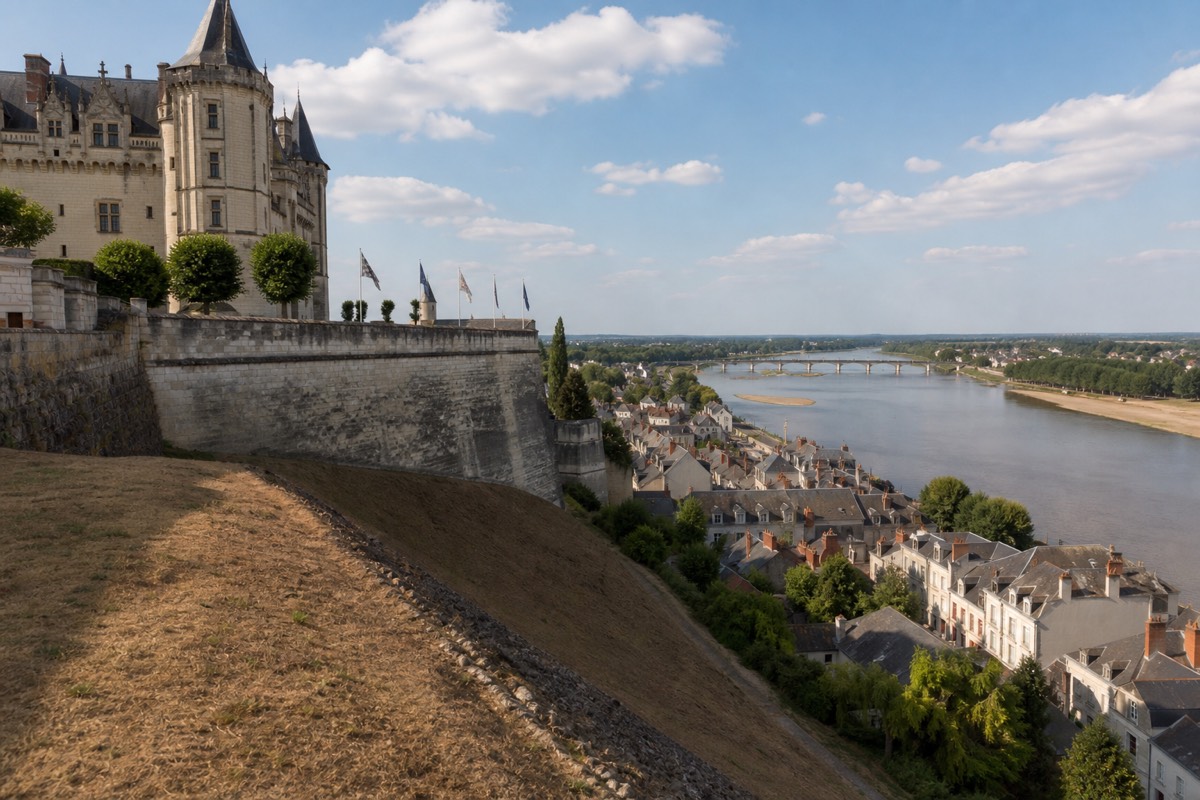
Think of it as a slow change in temperature and soil. In the east the climate is close to continental, the whites tight and stony. By the time the river reaches the ocean the wines are leaner and saltier, built for shellfish rather than cellaring. In between sits Touraine, the stretch where the famous castles cluster and where a first-time visitor spends most of a wine trip. Getting the four zones straight is the single most useful thing you can do before you go, and it makes how a Loire tasting actually works far easier to follow once you are standing at a cellar door.
| Zone (east to west) | Position on the river | Headline names | Signature grape | Known for |
|---|---|---|---|---|
| Centre-Loire | Upper river, far east | Sancerre, Pouilly-Fumé, Menetou-Salon | Sauvignon Blanc | Flinty mineral whites, a little Pinot Noir |
| Touraine | Middle river | Vouvray, Chinon, Bourgueil, Amboise, Montlouis | Chenin Blanc & Cabernet Franc | Castle country, dry to sparkling whites, fresh reds |
| Anjou-Saumur | Middle, tilting west | Saumur, Savennières, Saumur-Champigny | Chenin Blanc & Cabernet Franc | Sparkling, dry Chenin, rounded rosé |
| Pays Nantais | Downstream, by the Atlantic | Muscadet, Sèvre-et-Maine | Melon de Bourgogne | Lean, saline whites for seafood |
The practical upshot: you do not have to see all four to feel you have seen the Loire. Most trips settle in Touraine and taste outward from there. If you are weighing the region against its rivals to the south, our take on how it stacks up against Bordeaux is a good companion read.
What grows in Centre-Loire, around Sancerre and Pouilly-Fumé?
Centre-Loire is Sauvignon Blanc country, the eastern edge of the wine region and its most mineral corner. Sancerre and Pouilly-Fumé face each other across the river, both making dry, high-acid whites of citrus, gooseberry and struck flint. Sancerre also grows Pinot Noir for pale rosé and light red, which surprises most first-time visitors.
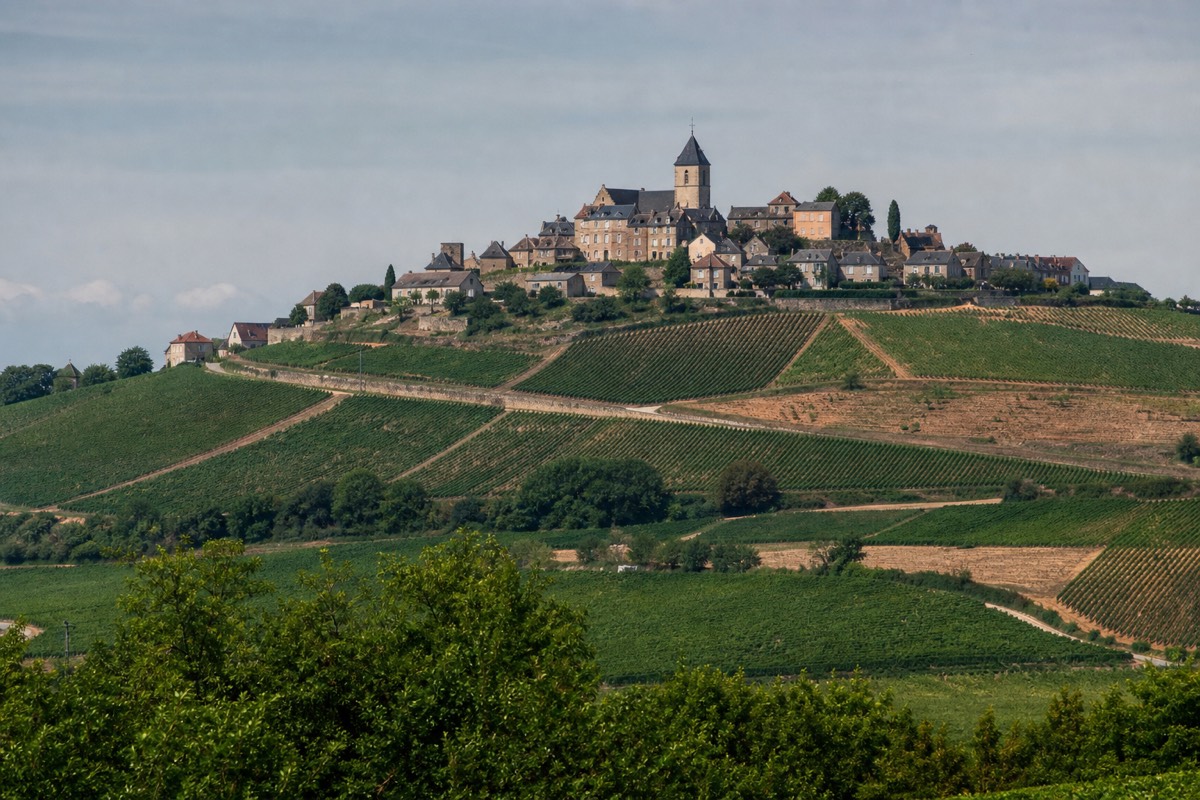
This is the part of the Loire that tastes least like the rest of it. The vineyards sit on rolling hills a long way inland, and the whites carry a tension that comes straight from the ground. Three soil types do most of the talking. Winemakers here will point at the earth before they pour, because the difference between a floral, early-drinking bottle and a stern, age-worthy one is written in the stones underfoot. For the full story, including how to actually get there, see a closer look at Sancerre.
| Soil (local name) | Character in the glass | Where it sits |
|---|---|---|
| Terres blanches (Kimmeridgian marl) | Structured, slower to open, age-worthy | Higher western slopes |
| Caillottes (stony limestone) | Aromatic, floral, early to drink | Mid slopes |
| Silex (flint) | Smoky, tense, sharply mineral | Eastern slopes nearer the river |
One honest caveat: Sancerre sits far east of the castle cluster, roughly two hours by road from the Tours area where organised trips are based. It is a wonderful place to taste, but it rarely fits a short first visit without a dedicated eastern loop.
Why is Touraine the heart of a Loire wine trip?
Touraine is the middle stretch where the great castles and the best-known cellars sit side by side. Its two lead grapes are Chenin Blanc, which makes Vouvray and Montlouis in every style from bone-dry to sweet and sparkling, and Cabernet Franc, behind the fresh reds of Chinon and Bourgueil. This is where most visitors base a trip.
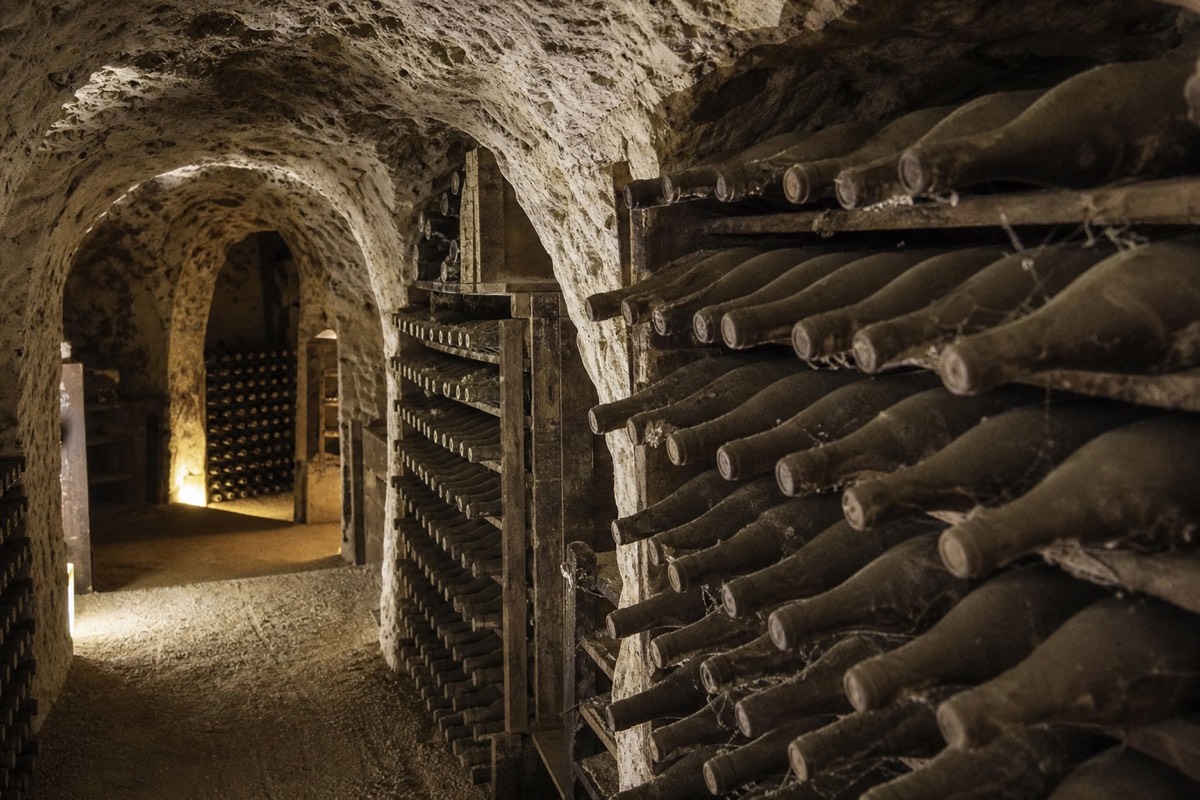
Geography does the work here. The Loire and its tributary the Cher run close together, so a single day can pair a castle with a cellar without a long drive. Vouvray, on the slopes just east of the city of Tours, is the classic tasting stop: chalky tunnels cut into the soft limestone, and Chenin Blanc in whichever style the year favoured. A short hop away, the light reds of Chinon give the region its answer to a summer red, served cool. If you want the castles and the wine in one outing, a Chenonceau day with a cellar tasting on the Cher is the shape most people picture, while a morning tasting through two Vouvray estates keeps the focus squarely on the wine. Chenonceau itself falls within the UNESCO World Heritage stretch of the valley, which runs through this middle Loire.
| Appellation | Grape | Style | Town or base |
|---|---|---|---|
| Vouvray | Chenin Blanc | Dry to sweet, plus sparkling | Vouvray, near Tours |
| Montlouis-sur-Loire | Chenin Blanc | Dry and sparkling | Montlouis, facing Vouvray |
| Chinon | Cabernet Franc | Fresh red, a little rosé and white | Chinon |
| Bourgueil | Cabernet Franc | Firmer, more structured red | Bourgueil |
| Touraine-Amboise | Mixed varieties | Reds, whites and rosé | Amboise |
What defines Anjou-Saumur?
Anjou-Saumur is the Loire's sparkling and dry-Chenin heartland, west of Touraine. Saumur makes crisp traditional-method fizz, most of it sold as Crémant de Loire or Saumur Brut, aged in cool tuffeau cellars. Savennières turns Chenin Blanc into a powerful dry white, while Anjou is famous for gently sweet rosé from Cabernet and Grolleau.
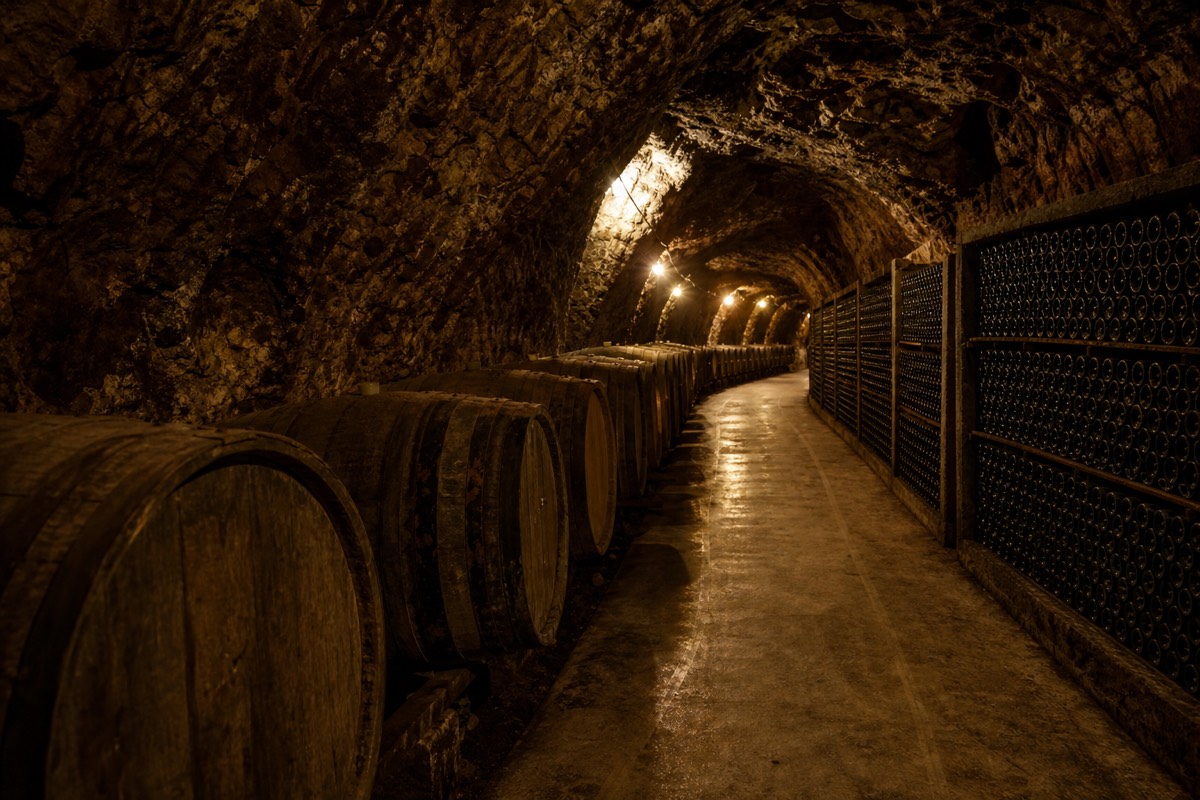
If Touraine is about castles, this stretch is about cellars. The soft white limestone underground keeps a steady chill year round, which is why so much sparkling wine is made and aged here. Saumur-Champigny gives the area a serious red, again from Cabernet Franc, with a little more flesh than its Chinon cousins. The rosé picture is worth untangling, because it ranges from bone-dry to frankly sweet. Rosé d'Anjou leans sweeter and softer; Cabernet d'Anjou is richer still; a dry Saumur rosé sits at the other end. None of it is the pale, bone-dry Provence style, so order by name rather than by colour. Anjou-Saumur also links naturally into a two or three day route once you want more than the castle core.
What is the Pays Nantais, and why does Muscadet matter?
The Pays Nantais is the Loire's Atlantic end, around the city of Nantes, and it belongs to one grape: Melon de Bourgogne, sold as Muscadet. The best examples are aged on their lees, labelled sur lie, which adds a faint yeasty roundness to an otherwise lean, salty, lemon-edged white. It is one of the great seafood wines and a byword for value.
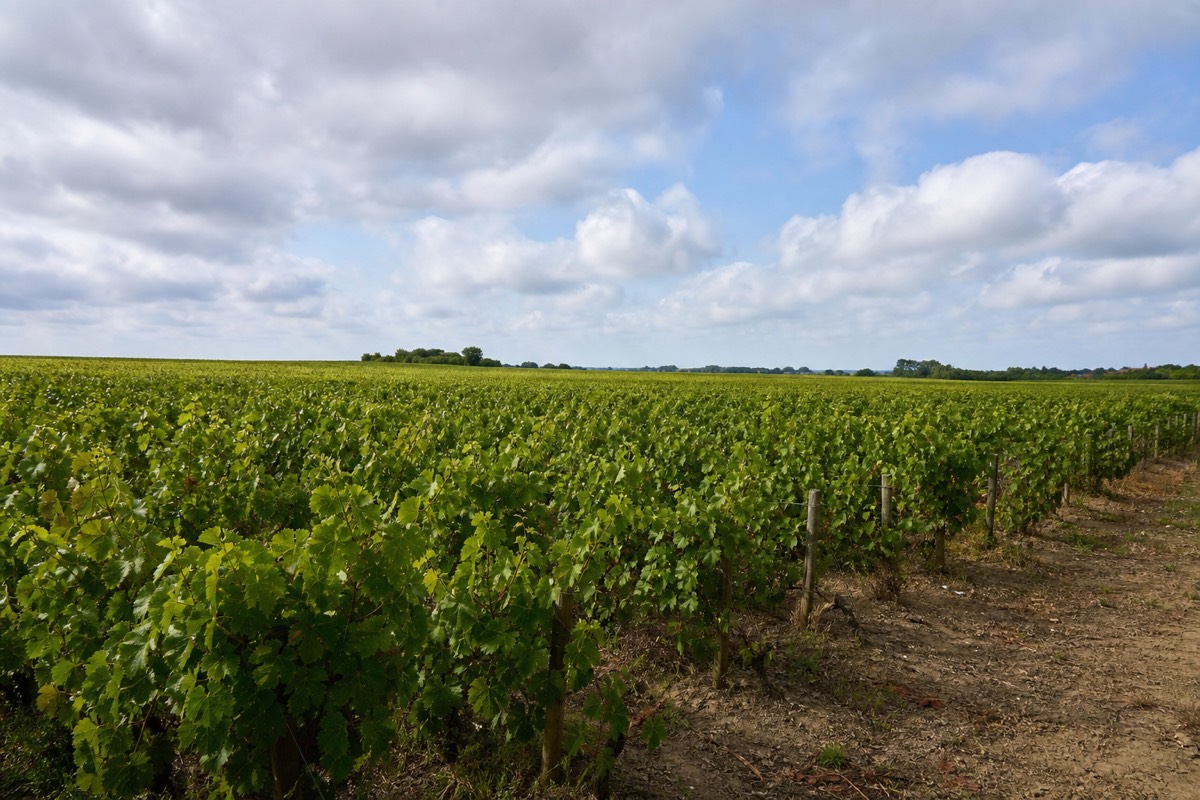
Muscadet spent years as a punchline for thin, forgettable wine, and cheap versions still exist. The serious growers changed the story. Bottlings from the Sèvre-et-Maine heartland, held on their lees through the winter, can carry real texture and even age for a decade from the top single-vineyard sites. The rule at the table writes itself: a plate of oysters and a cold glass of sur lie Muscadet is one of the cleanest pairings in France. This corner rarely features on a castle-focused trip, since it sits at the far western end, but it rounds out the picture of what the region can do. For the wider view of the Loire's reputation, see what the Loire is most famous for.
Which grapes define Loire wine?
Five grapes carry the Loire. Chenin Blanc is the shape-shifter, dry to sweet to sparkling. Sauvignon Blanc gives the flinty eastern whites. Cabernet Franc is behind almost every Loire red. Melon de Bourgogne makes Muscadet, and Grolleau fills out much of the everyday rosé. Learn these five and the labels stop being a guessing game.
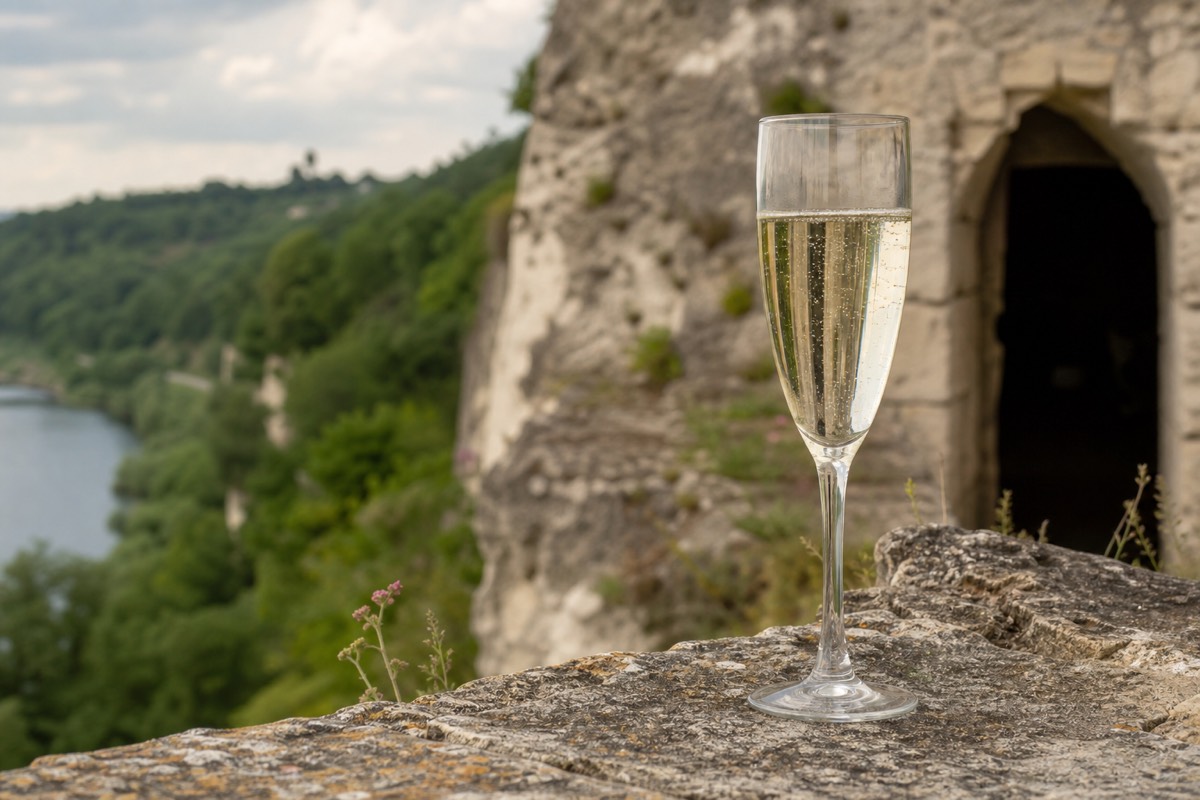
Chenin Blanc deserves top billing because no other white grape in France does so many jobs well. In a warm year it can be sweet and honeyed; in a cool one it is taut and green-apple crisp; pushed through a second fermentation it turns into fine sparkling. Sauvignon Blanc, by contrast, wants to be one thing, and does it brilliantly in the east. The reds are almost all Cabernet Franc, a grape that here stays light and savoury, with a graphite streak the French call the pencil-shaving note. Serve it slightly cool and it sings.
| Grape | Colour | Typical Loire style | Where it shines | Taste markers |
|---|---|---|---|---|
| Chenin Blanc | White | Bone-dry to sweet, plus sparkling | Vouvray, Montlouis, Savennières, Saumur | Quince, honey, wet wool, high acid |
| Sauvignon Blanc | White | Crisp, dry, mineral | Sancerre, Pouilly-Fumé, Touraine | Citrus, gooseberry, struck flint |
| Cabernet Franc | Red | Light to mid-weight, fresh | Chinon, Bourgueil, Saumur-Champigny | Raspberry, graphite, pencil shaving |
| Melon de Bourgogne | White | Lean, saline, often sur lie | Muscadet | Lemon, sea spray, faint yeast |
| Grolleau | Rosé and light red | Pale, soft, low tannin | Anjou, Touraine | Red berries, gentle, easy |
What about the Loire's sweet and sparkling wines?
The Loire is one of France's great sources of both sparkling and sweet wine, and both lean on Chenin Blanc. Crémant de Loire and Saumur Brut are the traditional-method fizz, aged in cool underground cellars. The sweet wines come from Anjou, where noble rot concentrates Chenin into golden, long-lived bottles such as Coteaux du Layon, Quarts de Chaume and Bonnezeaux, alongside off-dry and sweet Vouvray.
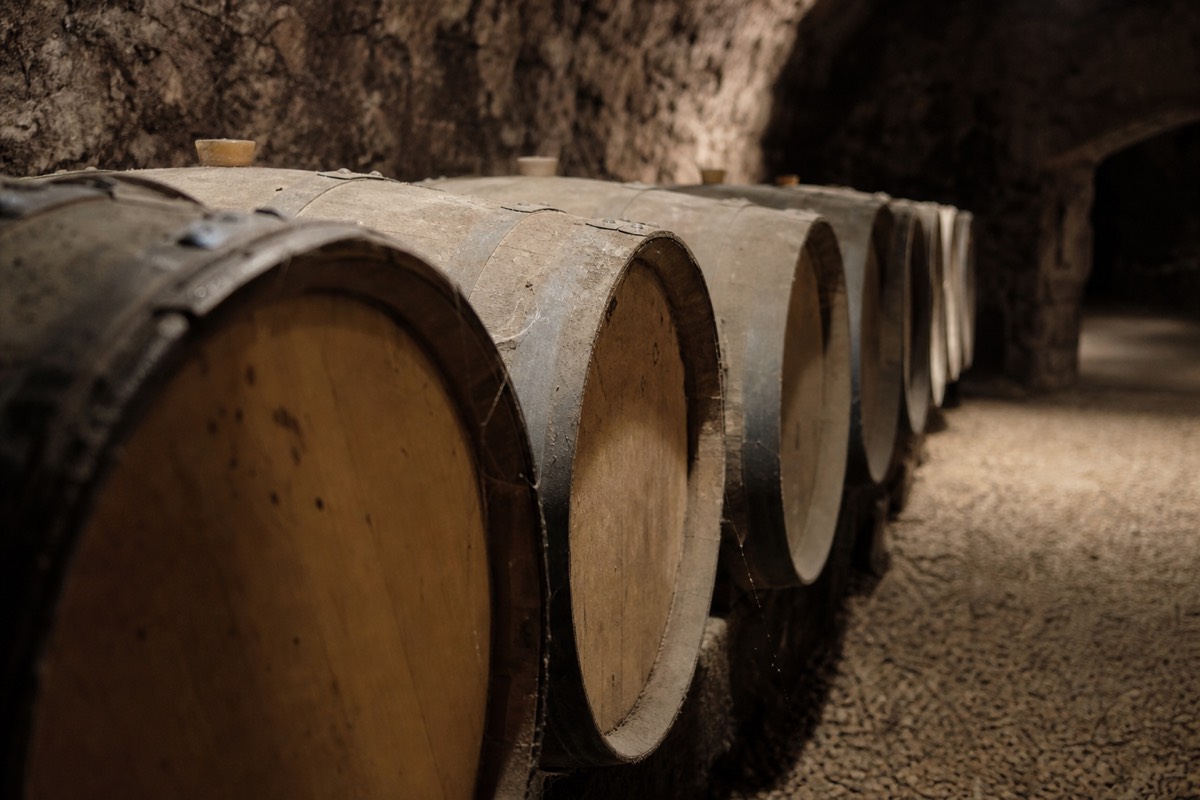
Sparkling comes first, because you will meet it everywhere. A large share is sold as Crémant de Loire, a dry, apple-and-brioche fizz made across Anjou-Saumur and Touraine, with Saumur, Vouvray and Montlouis running their own bubbles too. It costs a fraction of Champagne and, at its best, holds its own at the table or as an aperitif. Because the cellars carved into soft tuffeau stay cool and steady year round, the region has made sparkling wine for well over a century, and a cellar visit here often ends with a glass of it.
The sweet wines are the Loire's quiet treasure, and they are easy to miss. In the right autumn, noble rot settles on Chenin Blanc in the Layon valley south of Angers, and pickers go through the vines by hand, taking only the shrivelled grapes. The result balances honey and quince against the high acidity that keeps Loire sweetness from ever turning cloying. Quarts de Chaume, the region's benchmark for sweet wine, and neighbouring Bonnezeaux set the standard; a demi-sec or moelleux Vouvray is the friendlier, more available cousin. Treat none of them as an afterthought. A tasting that opens on a crisp dry white, works through the reds, and finishes on a glass of sparkling or a spoonful-sweet Chenin ends on the region's high note.
How do the regions, grapes and styles line up?
Read across the four zones and a clean pattern appears: whites dominate everywhere, reds are almost entirely Cabernet Franc from the middle Loire, sparkling clusters in Saumur, Vouvray and Montlouis, and rosé belongs to Anjou. The grid below is the fastest way to match a place name on a label to a grape and a style before you order.
Keep two tables in your pocket and you can order confidently anywhere in the valley. The first maps each zone to what it actually makes; the second tells you the pour to ask for and what to eat with it. Both are built from the appellation system that the official Vins de Loire body oversees, so the names on the labels line up with the names below.
| Zone | White | Red | Rosé | Sparkling |
|---|---|---|---|---|
| Centre-Loire | Sauvignon Blanc | Pinot Noir, light | Pinot Noir rosé | Rare |
| Touraine | Chenin, Sauvignon | Cabernet Franc | Grolleau, Gamay | Vouvray, Montlouis |
| Anjou-Saumur | Chenin (Savennières, Saumur) | Cabernet Franc (Saumur-Champigny) | Cabernet d'Anjou, Rosé d'Anjou | Crémant de Loire, Saumur Brut |
| Pays Nantais | Melon de Bourgogne | Almost none | Minimal | Minimal |
| Appellation | Ask for | Pairs with |
|---|---|---|
| Vouvray | A dry (sec) or off-dry (demi-sec) Chenin | Goat cheese, pork, apple tart |
| Chinon | A cool-climate Cabernet Franc red | Charcuterie, roast chicken |
| Sancerre | A flinty Sauvignon Blanc | Crottin goat cheese, oysters |
| Saumur | A Crémant de Loire or Saumur Brut | Aperitif, shellfish |
| Muscadet | A Sèvre-et-Maine sur lie | Oysters, mussels |
| Savennières | A dry, powerful Chenin | Roast fish, poultry in cream |
Which Loire wine region should you actually visit?
For a first trip, base yourself in Touraine. It puts the headline castles, the Vouvray cellars and the Chinon reds within an easy drive, and it is the stretch every organised tour is built around. Save Sancerre for a return visit or a longer eastern loop, and treat Muscadet as a coastal detour rather than a core stop.
The table below turns preference into a plan. Match what you most want out of the trip to a landing spot, then to a real experience you can book. If timing is part of the decision, our read on the best time to visit for wine covers harvest, weather and crowds, and the practicalities of reaching the region from Paris are covered in full separately. When you are ready to build the trip out, the cellars and estates worth booking is the natural next step.
| If you want... | Head for... | Nearest bookable experience |
|---|---|---|
| Castle country plus serious wine | Touraine, around Vouvray and Amboise | A morning Vouvray tasting or a Chenonceau cellar day |
| A relaxed vineyard afternoon | Chinon | A vineyard picnic among Cabernet Franc vines |
| Sparkling and dry Chenin | Anjou-Saumur | A day out from a Tours or Saumur base |
| Flinty Sauvignon Blanc | Centre-Loire, around Sancerre | A longer eastern detour, see the Sancerre guide |
| A river-and-castle day | The Cher near Chenonceau | A Chenonceau boat and cellar tasting |
A closing thought for planning a Loire Valley wine trip: the region rewards depth over distance. Three cellars within twenty minutes of each other tell you more than five spread across a hundred kilometres of driving. Pick a zone, taste it properly, and let the river bring you back for the rest.