What Wine Is the Loire Valley Most Famous For?
Chenin Blanc is the Loire's calling card, but the valley is famous for far more. Here are its signature wines, laid out by region and grape.
The Loire Valley is most famous for Chenin Blanc, the grape behind Vouvray, Savennières and much of its sparkling wine. Close behind are Sauvignon Blanc from Sancerre and Pouilly-Fumé, Cabernet Franc reds from Chinon, Bourgueil and Saumur, crisp Muscadet near the coast, and easy-drinking rosé. No single wine defines the valley, which is exactly what makes it interesting.
Start with the grape you are curious about and give that part of the valley time.
Booking choice: Vouvray Wine And Food Morning suits a Tours departure. Allow 3.5 hours and compare the included transport before arranging other stops.
Explore Vouvray Wine And Food MorningStretching from near the Atlantic inland toward central France, the Loire is really several wine regions on one river. Its vineyards form part of a UNESCO-listed cultural landscape, and the official growers' body, Vins de Loire, recognises dozens of appellations across it. Here is the shortlist worth knowing.
| Appellation | Main grape | Style |
|---|---|---|
| Vouvray | Chenin Blanc | Dry to sweet whites, plus sparkling |
| Savennières | Chenin Blanc | Bone-dry, age-worthy white |
| Sancerre | Sauvignon Blanc | Crisp, mineral white |
| Pouilly-Fumé | Sauvignon Blanc | Smoky, flinty white |
| Chinon & Bourgueil | Cabernet Franc | Fresh, food-friendly reds |
| Saumur | Cabernet Franc / Chenin | Reds and sparkling Crémant |
| Muscadet | Melon de Bourgogne | Light, dry white near Nantes |
| Anjou | Cabernet Franc / Grolleau | Off-dry and dry rosé |
What is the Loire Valley's signature grape?
Chenin Blanc is the Loire's signature grape. It shows up dry, off-dry, sweet and sparkling, most famously as Vouvray and as the age-worthy dry whites of Savennières. Few grapes anywhere give a single region such range, which is why Chenin is the one wine most people tie to the valley.
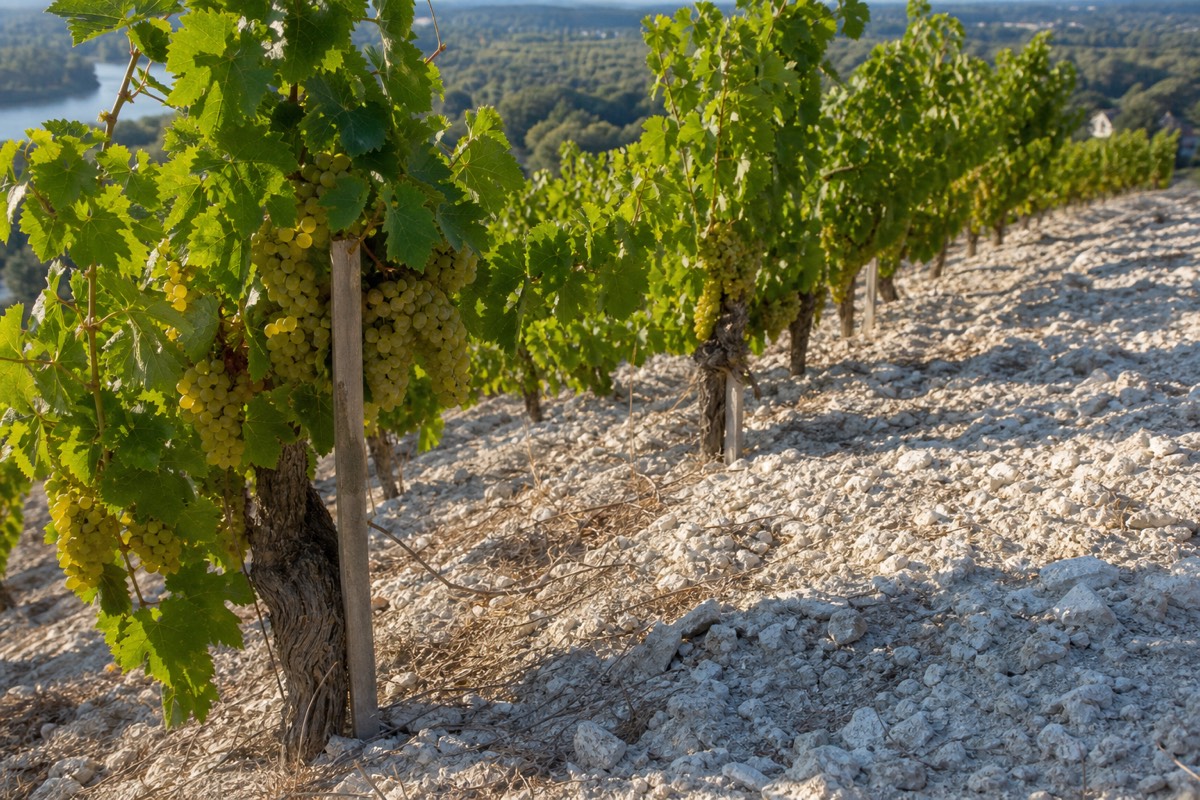
What makes it special is versatility. The same grape can be a lean sparkling aperitif, a honeyed dessert wine, or a bracing dry white that ages for decades. On a Vouvray label the sweetness level is the thing to read: sec means dry, demi-sec off-dry, and moelleux sweet, so one appellation covers the whole spectrum from aperitif to dessert. Much of it grows around the tuffeau limestone near Tours, where cellars are carved straight into the hillsides. A Vouvray tasting across two Chenin estates is the most direct way to see that range in one morning, and our Loire wine regions and grapes explained guide maps where each style comes from.
What white wines is the Loire known for besides Chenin?
Beyond Chenin, the Loire is known for Sauvignon Blanc, above all Sancerre and Pouilly-Fumé in the east. These are crisp, mineral whites with a flinty edge, the classic partner for the region's goat cheeses. Near the Atlantic, Muscadet gives a lighter, saline white made from the Melon de Bourgogne grape.
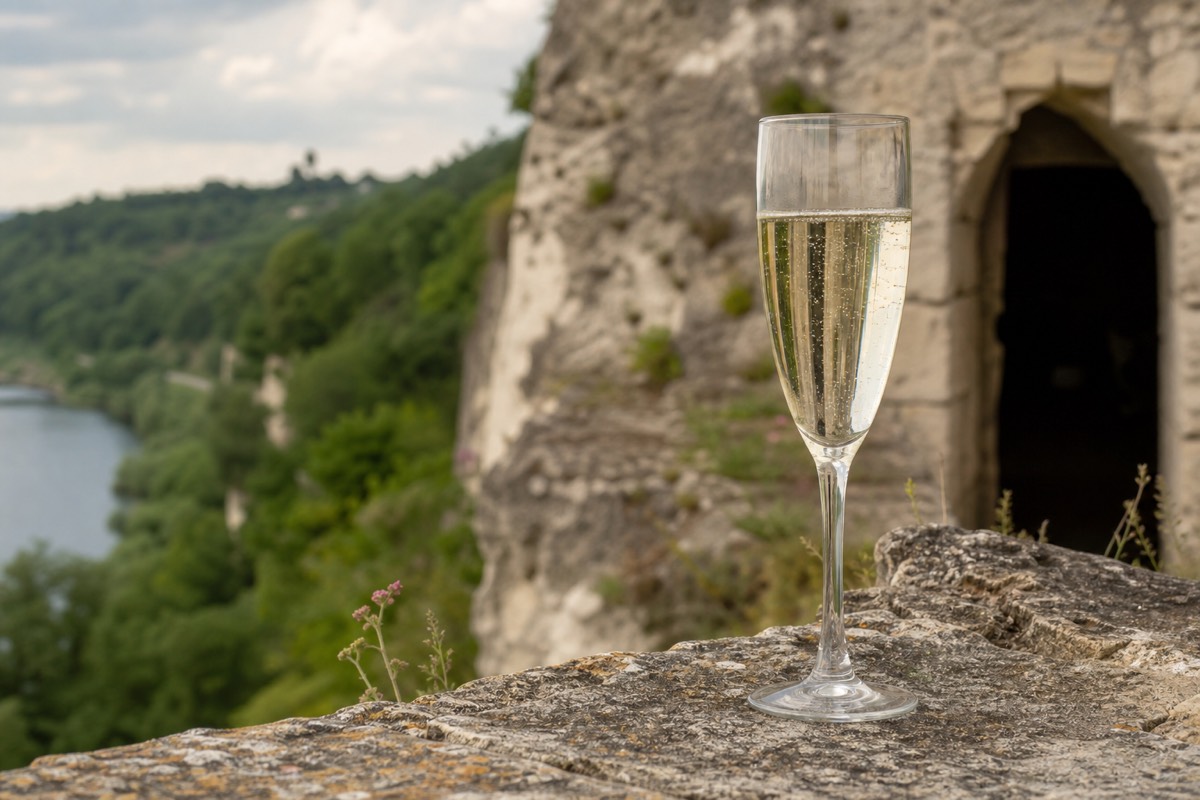
Sancerre and Pouilly-Fumé face each other across the river and share the same grape, yet taste subtly different thanks to their soils. If those two names are what drew you to the region, our guide to Sancerre's flinty Sauvignon Blanc is the place to start. Muscadet, meanwhile, is the everyday hero: unshowy, dry, and made for a plate of oysters.
Does the Loire make red and sparkling wine too?
Yes. The Loire's reds come mainly from Cabernet Franc, giving fresh, medium-bodied wines in Chinon, Bourgueil and Saumur-Champigny. The valley is also France's largest source of sparkling wine outside Champagne, sold as Crémant de Loire, and it makes plenty of dry and off-dry rosé around Anjou.
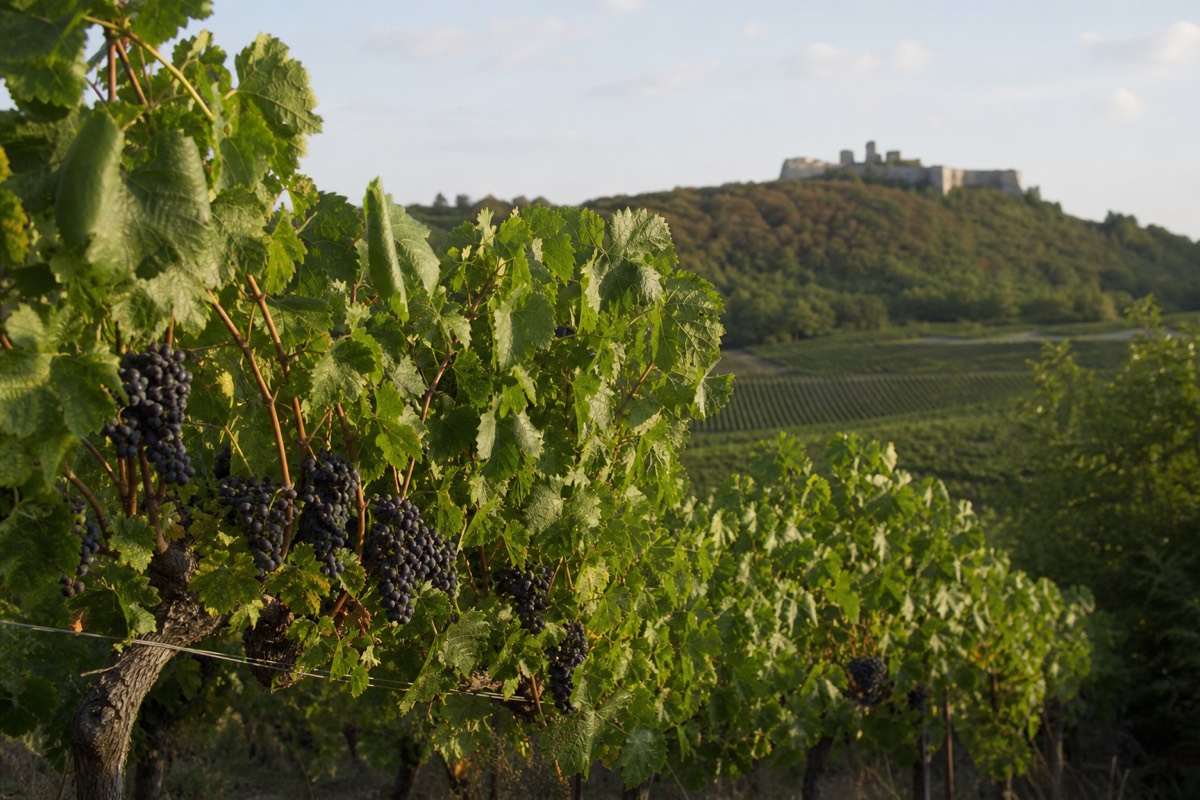
Cabernet Franc is the red to know here: leafy, bright and built for food rather than for cellaring decades. That is the opposite instinct to Bordeaux, where the big Cabernet Sauvignon and Merlot blends are made to age, and our take on how the Loire compares with Bordeaux weighs the two styles for a real trip. The sparkling side is worth seeking out too, since Crémant de Loire is made by the same bottle-fermented method as Champagne, at a fraction of the price. You can taste the reds at their friendliest on a Cabernet Franc picnic in the Chinon vines. Those bubbles age in the same cool limestone galleries as the still wines, including the troglodyte cellars at Amboise. The tastings we feature at Loire Valley Wine Tours are chosen to show that spread, so you leave having tried more than one grape. To get the most from each pour, it helps to know how a Loire tasting actually works.