Loire Valley Wine Tasting: How It Works, Where & What It Costs
What a Loire tasting actually involves, where to do it, the etiquette, the grapes you will pour, what it costs, and how to get a case home.
A Loire tasting is rarely a bar with a price list. More often it is a cool cellar, a grower or sommelier, and a handful of wines poured in order. This guide covers where you taste, the etiquette that keeps it easy, the grapes you will meet, what a session costs, whether to bring a guide, and how to get a case home once you have found the bottle you love.
Budget note: prices in this guide are planning examples from the original article, not current quotes. Compare the selected provider’s date and option before relying on a figure. A private-château lunch does not make the shared tour private.
Choose between a compact guided flight and a morning that connects separate cellars.
Booking choice: Vouvray Wine And Food Morning suits a Tours departure. Allow 3.5 hours and compare the included transport before arranging other stops.
Explore Vouvray Wine And Food MorningWhat a Loire tasting costs
Figures are recent starting points for the experiences we list and move with season and availability; check the live listing before you rely on a price.
How does wine tasting work in the Loire Valley?
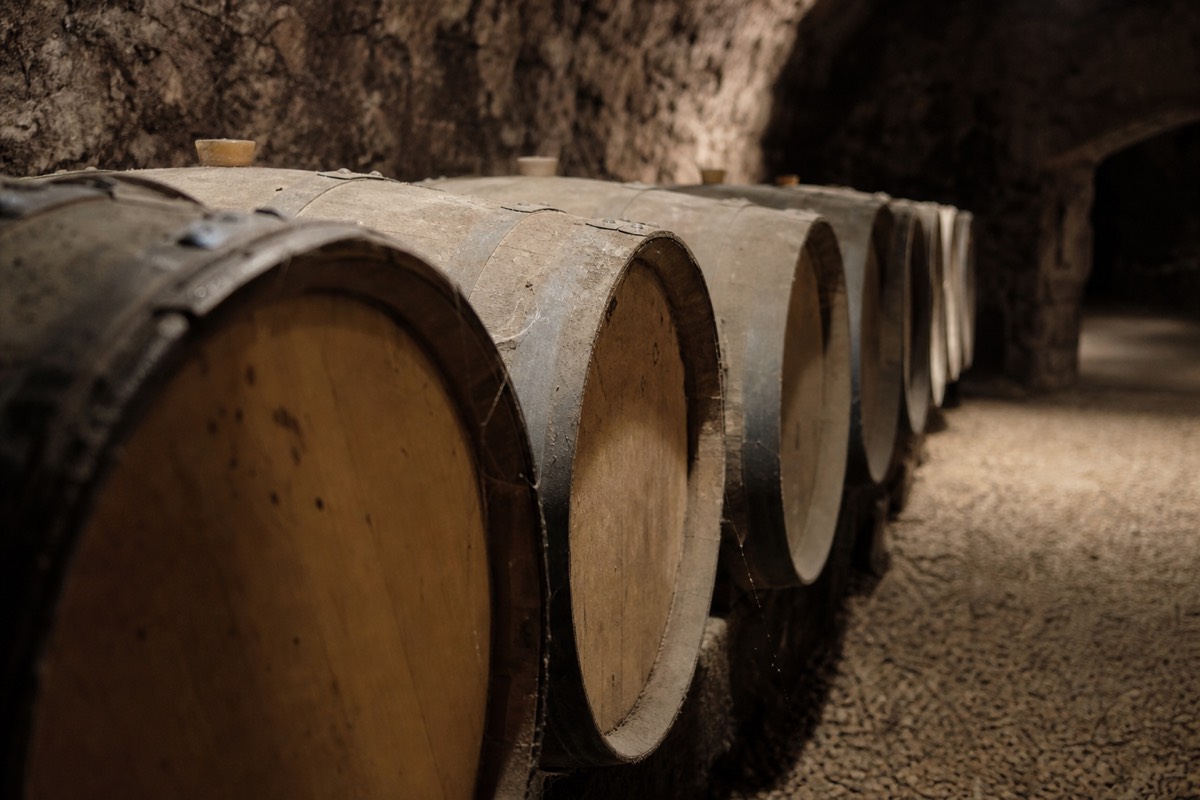
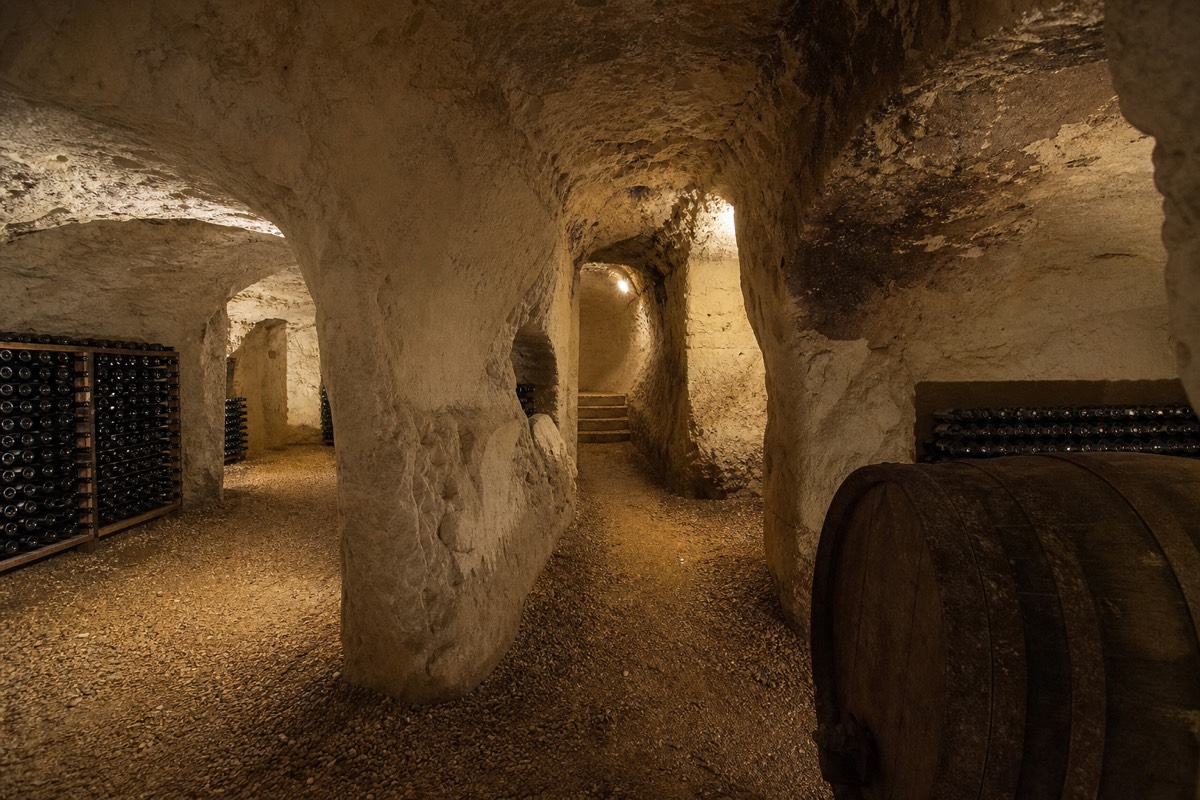
You taste at the source, usually in an underground cellar cut from limestone, guided through a set of wines from light to full and dry to sweet. A grower or sommelier pours, explains the vineyard behind each glass, and expects you to swirl, sniff, sip and spit rather than empty every pour. Sessions run from a quick cellar flight to a half-day with food.
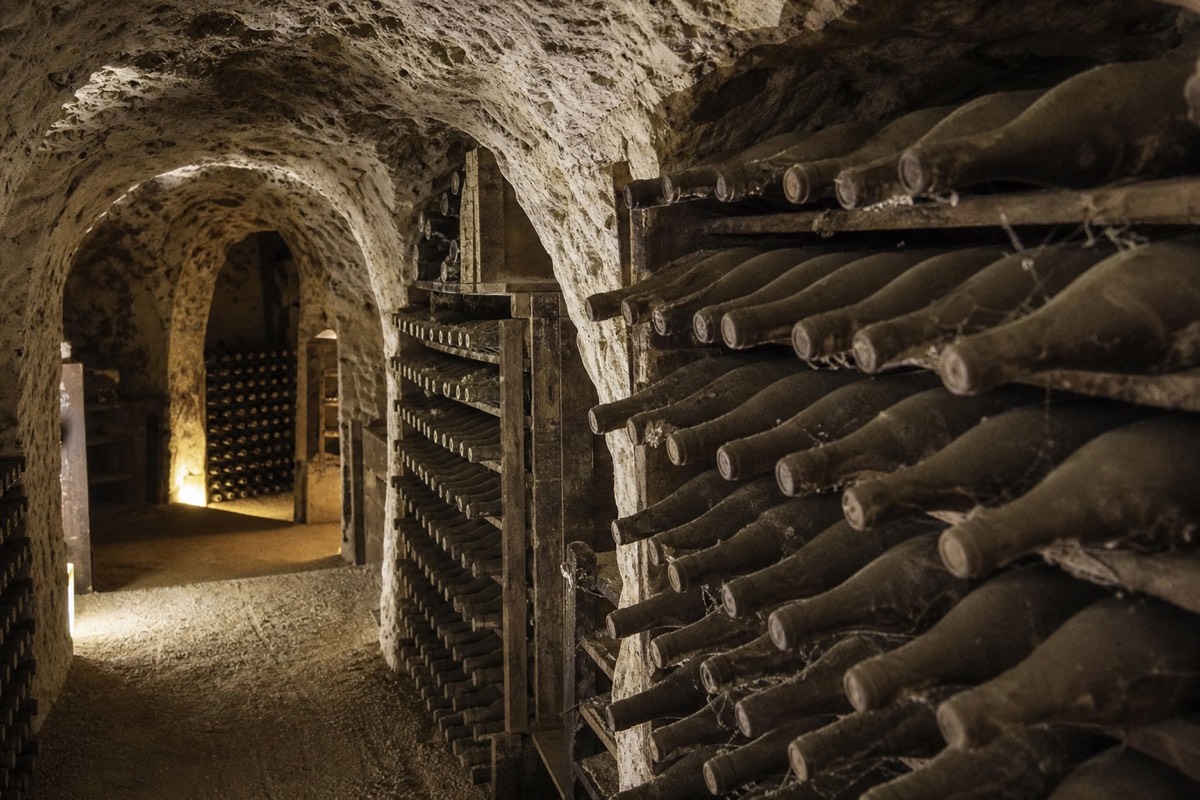
The format is steady across the region. You often start outside among the vines, then step down into the cellar where the wine ages. Pours come in a deliberate order so each one makes sense after the last. The talk is about soil, season and method, and questions are welcome, which is the whole point of tasting at the estate rather than buying blind. If you want the wider picture of which estates open their doors, our directory of the estates and cave cellars worth booking is the companion to this page.
| Stage | What happens | What to do |
|---|---|---|
| In the vines | A few words on soil, grape and season | Ask what makes this plot different |
| Into the cellar | You see where the wine ages, in tank, cave or oak | Note the cool, damp air, a light layer helps |
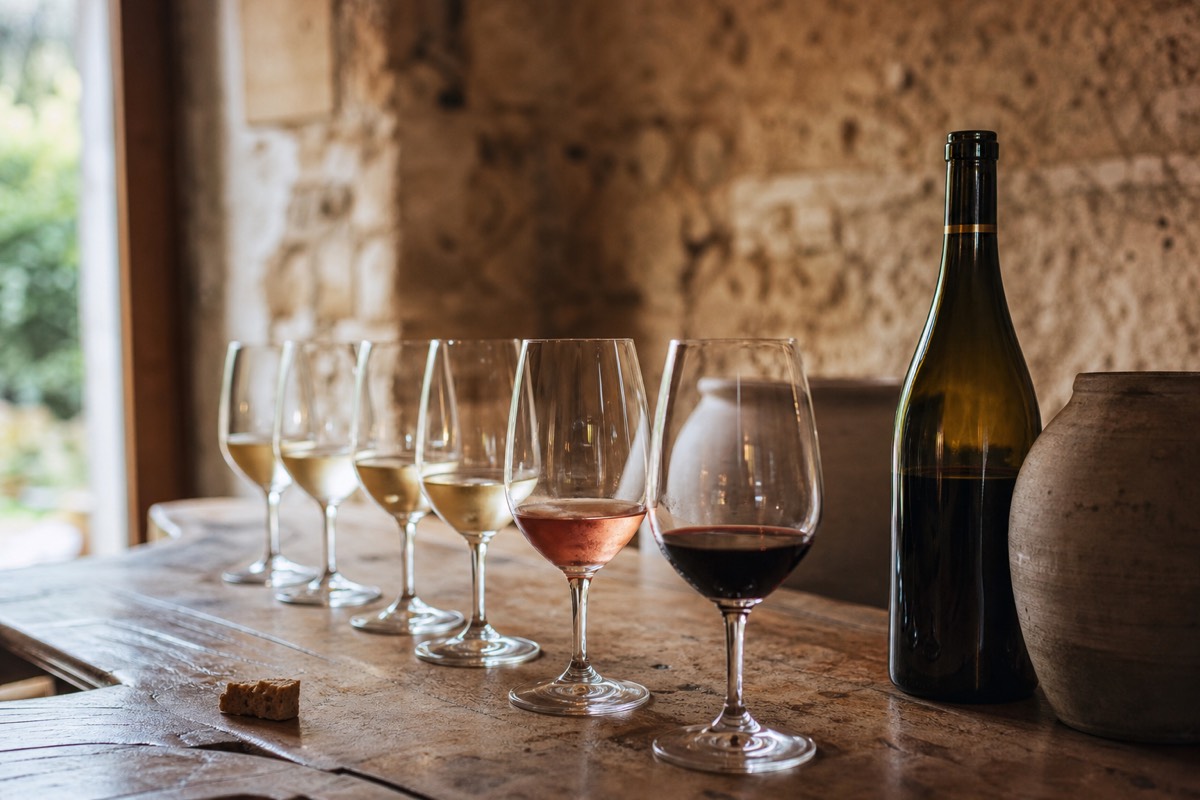
| The pour | Wines in order, light to full, dry to sweet | Swirl, sniff, small sip, use the spittoon on long flights |
| The talk | The grower explains each glass | Say what you like, buy the bottle that stayed with you |
None of this is formal. The register is closer to a kitchen-table conversation than a lecture, and the small groups on guided visits, often capped at eight, keep it that way.
Where do you taste: estate cellar, chateau, or town cave?
Three settings, three different feels. A family estate cellar is personal and unhurried, poured by the grower beside the barrels. A chateau visit offers a grand, often brief cellar pour as part of the tour. A town cave or cooperative gathers a wide range under one roof, good for comparing many bottles in a single cool stop. Most trips mix at least two of them.
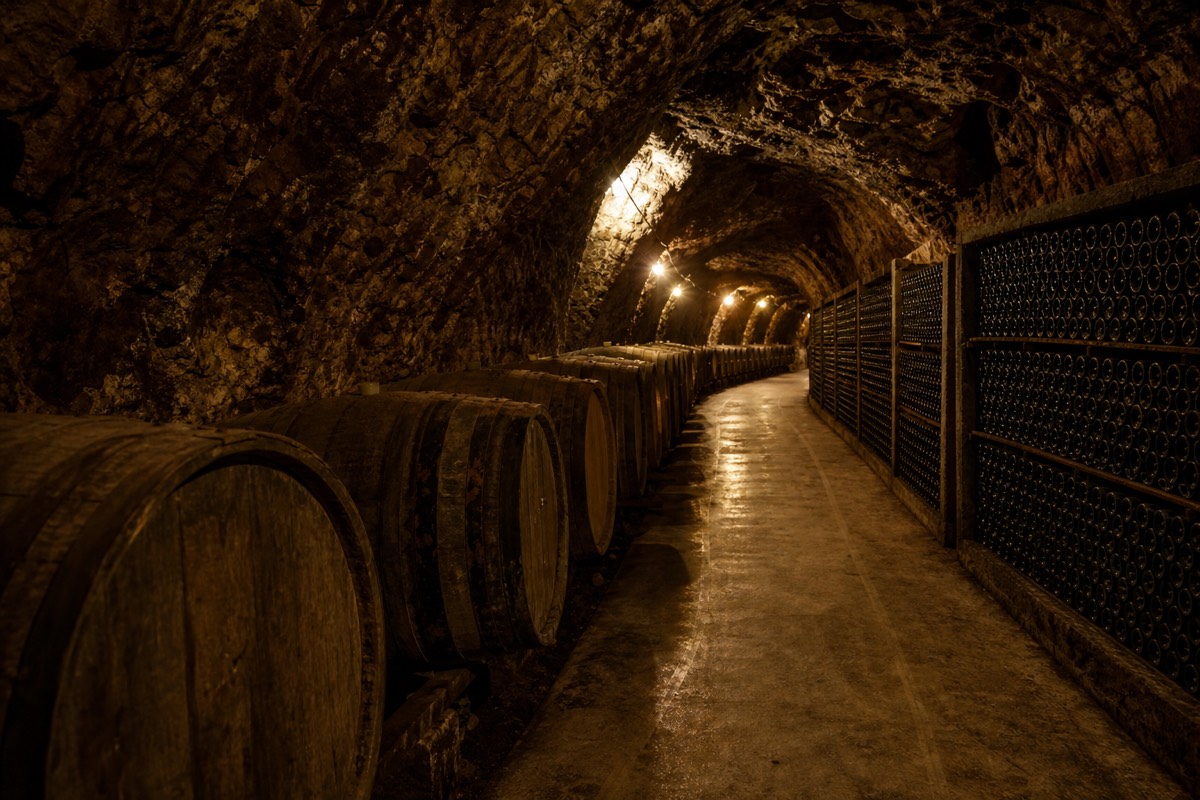
The estate cellar is where tasting is most rewarding. At a working door such as Domaine Le Capitaine in Vouvray you walk the vineyard, drop into a limestone cellar, and taste five wines against goat cheese with the family answering every question. The town cave is the efficient option: the Cave de Vouvray, for instance, holds extensive limestone galleries and a broad tasting that reaches into regional reds, ideal when you want range fast. And the chateau pour, such as the complimentary tasting on a day at the Chateau de Chenonceau, folds wine into a bigger day of history and river views.
| Setting | Who pours | The feel | Typical cost |
|---|---|---|---|
| Family estate cellar | The grower or a cellar hand | Personal, unhurried, at the source | Often free or a few euros, sometimes waived if you buy |
| Chateau cellar | A guide on the castle visit | Grand and historic, usually brief | Sometimes included in the chateau day |
| Town cave or cooperative | A cellar host | Wide range in one cool stop | A small tasting fee, then buy by the bottle |
If you only have one session in you, choose a family cellar. It is where the wine, the place and the person behind it come together, and it is the setting a guided Vouvray tasting with food pairing is designed around.
What grapes and appellations will you pour?
Four grapes carry most Loire tastings: Chenin Blanc for whites that run dry to sweet and sparkling, Sauvignon Blanc for mineral whites in Sancerre and Pouilly-Fume, Cabernet Franc for light reds in Chinon and Saumur, and Melon de Bourgogne for crisp Muscadet by the coast. Which one dominates depends entirely on where in the valley you have stopped.
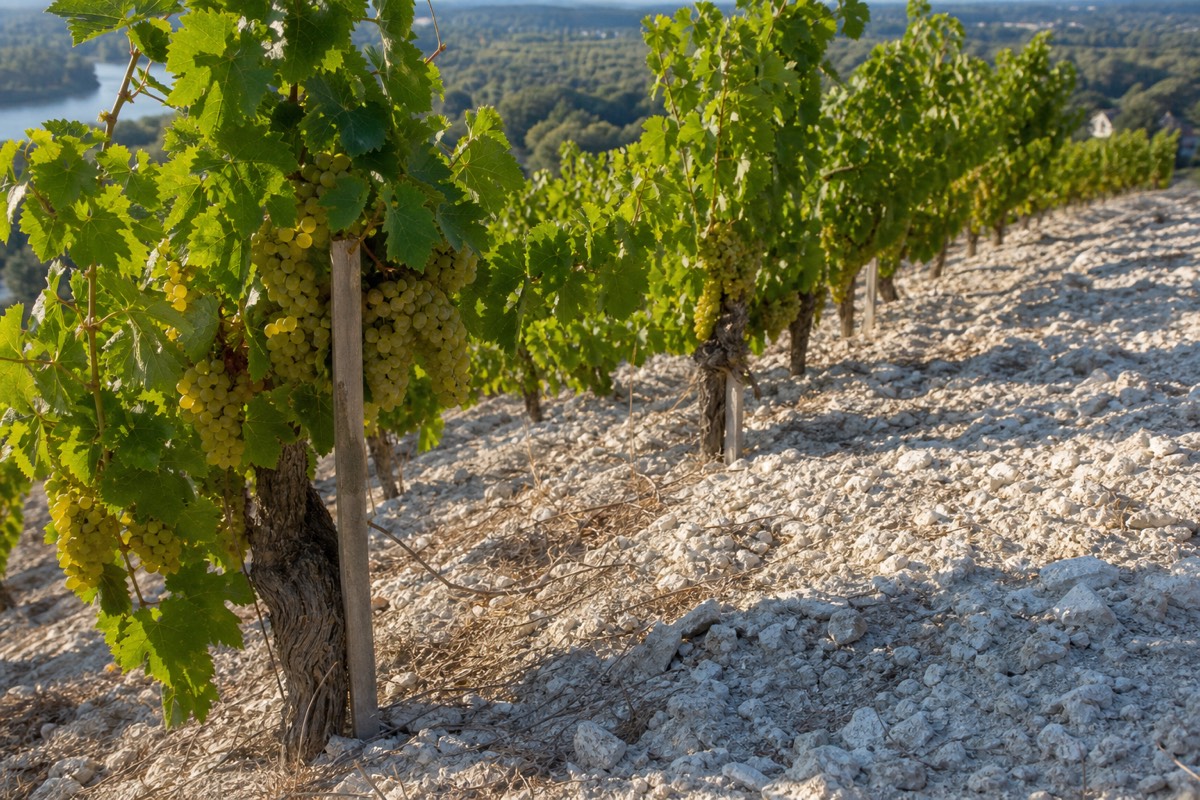
That variety is the Loire's real gift. In a single region you can taste a bone-dry sparkling Chenin, an off-dry white, a sweet dessert wine, and a light herbal red, all shaped by the same cool climate. Understanding the appellation, the named place-and-rules on the label, tells you what to expect before the cork is out, and those rules are set by the official body, Vins de Loire. The valley those appellations sit in, from Sully-sur-Loire to Chalonnes, is a UNESCO World Heritage Site for its river, vines and cut-stone architecture. For a grape-by-grape tour, our guide to the region's grapes and appellations goes deeper than the table below.
| Appellation | Grape | In the glass | Classic pairing |
|---|---|---|---|
| Vouvray | Chenin Blanc | Dry to sweet, still and sparkling | Goat cheese, river fish |
| Chinon | Cabernet Franc | Light, herbal, earthy red | Charcuterie, rillettes |
| Sancerre & Pouilly-Fume | Sauvignon Blanc | Crisp, mineral, citrus white | Crottin goat cheese |
| Saumur | Chenin, Cabernet Franc | Cremant sparkling and reds | Aperitif, soft cheese |
| Anjou | Chenin Blanc | Dry whites and sweet Coteaux du Layon | Fruit tarts, foie gras |
| Muscadet | Melon de Bourgogne | Saline, bone-dry white | Oysters and seafood |
One quirk trips up newcomers: the same grape in the same place can be bone-dry or lusciously sweet. Vouvray runs the full span, labelled sec for dry, demi-sec for off-dry, and moelleux for sweet, so the word on the bottle matters as much as the appellation on it. Ask the grower where a wine sits on that scale before you taste, and the pour makes far more sense in the glass.
A tasting picnic near Chinon shows the range in miniature: Cabernet Franc reds and Chenin Blanc from one family estate, side by side over lunch. It is a fine way to feel how the same valley makes such different wines, and a tasting picnic among the vines puts both grapes on the same table.
What is the etiquette at a Loire tasting?
Keep it simple: hold the glass by the stem, swirl, sniff, take a small sip, and use the spittoon on longer flights so you can taste clearly all morning. Skip strong perfume, do not feel obliged to finish every pour, and buying a bottle you enjoyed is the natural thank-you at a free estate tasting. Growers pour to share, not to sell hard.
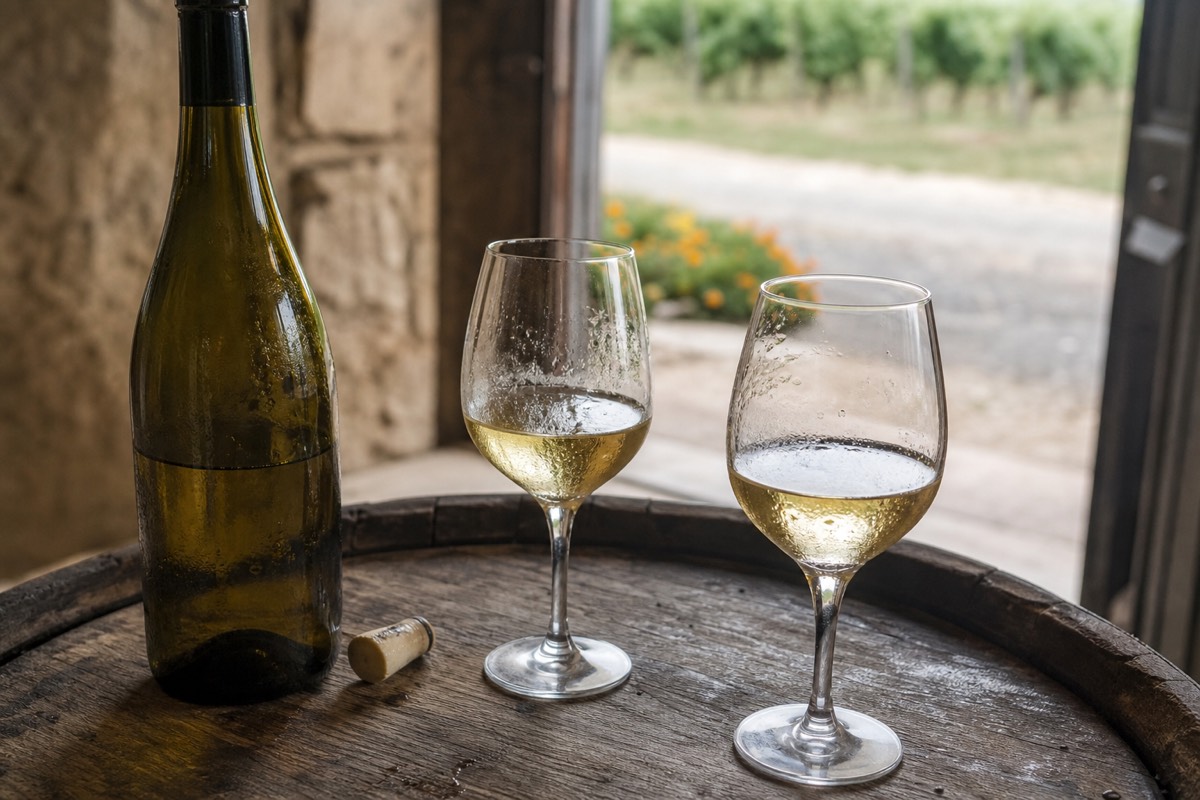
The one thing visitors get wrong is pace. On a ten-wine morning, swallowing every glass ends the day early and dulls your palate; spitting is expected and no one blinks. Perfume and scented hand cream compete with the wine, so leave them off. And there is no obligation to buy, though at a family cellar that opened its doors for a free pour, taking a bottle home is good manners and usually the best souvenir you will find. Tasting is 18 and over, with soft alternatives on the family trips.
| Do | Skip |
|---|---|
| Hold the glass by the stem | Strong perfume or scented cream |
| Swirl, sniff, then a small sip | Rushing the grower through each pour |
| Ask what you are tasting and why | Feeling you must finish every glass |
| Use the spittoon on long flights | Smoking near the cellar or vines |
| Buy a bottle you loved | Haggling on the price |
There is a rhythm to reading a wine, too. Tilt the glass against something white to judge the colour, give it a gentle swirl to lift the aromas, then breathe in before the first sip. Hold the wine a moment on the tongue rather than swallowing straight down, and notice what lingers once it has gone. None of this is performance, it is simply how you get more from each pour, and growers are pleased to see you take the time.
Do those few things and you will taste like a regular. The reward is a clearer palate by the last pour and a grower who happily opens something off the list.
Glass, flight, or a guided-tour tasting: which should you choose?
A single glass suits a quick stop, a flight of several wines is the standard cellar-door experience, and a guided-tour tasting bundles two to four estates with transport, food and a driver so you can actually drink. For most visitors on a short trip, a guided flight across estates gives the deepest taste for the least hassle.
The trade-off is control versus ease. On your own you set the pace and pay per estate, but you also drive, translate, and cover a lot less ground. With a guide, transport, cellar access and tasting fees are handled, an English-speaking host explains each wine, and drink-and-drive stops being your problem. The table lays out the difference; if you are weighing how long to stay while you decide, our note on how many days you need here is a useful cross-check.
| Guided tasting tour | On your own | |
|---|---|---|
| Transport | Included, no driving | Rent a car, or train plus taxi |
| Estates per day | Two to four, arranged | One to two, realistically |
| Language | English-speaking guide | Some French often needed |
| Tasting fees | Bundled into one price | Paid door by door |
| Drink and drive | Not your concern | A real, hard limit |
| Cost | Around €37 to €285 | Fuel, fees and your time |
There is no wrong answer, only a fit. Independent tasting rewards confident drivers with time to spare, while a guided day rewards anyone who wants to taste widely, learn as they go, and leave the logistics to someone else. A sommelier-led session inside the Amboise caves, for example, packs a wine flight and their history into two easy hours; a sommelier-led tasting in the Amboise caves is the low-effort way to try it.
What does a Loire tasting cost, and do you tip?
Walk-in cellar-door flights are often free or a few euros, sometimes waived if you buy a bottle. Guided experiences run higher for what they bundle, from around €37 for the Amboise caves up to around €285 for a private chateau day with lunch. Tipping is not expected at a cellar, though a gratuity for a private guide is appreciated.
The gap between a free pour and a €285 day is really a gap in what is included. At the low end you pay for the wine and your own transport; at the high end you pay for a shared minivan, chateau entries, a sat-down lunch with wine, and a guide who runs the day. Neither is better value in the abstract, it depends on how far you want to travel and how much you would rather not organise yourself.
| Tasting type | Rough cost, per person | What that buys |
|---|---|---|
| Walk-in cellar-door flight | Free to a few euros | A short flight, sometimes waived with a purchase |
| Town cave or cooperative tasting | A small per-person fee | A wider range in one stop, buy by the bottle |
| Guided cave tasting, wine flight and pairing | around €37 | Sommelier-led caves at Amboise, food included |
| Vineyard picnic and tasting | around €91 | Guided cellar, four-course picnic, a bottle |
| Half-day guided tasting, 10 pours | around €149 | Two Vouvray estates, food pairing, minivan |
| Full-day chateau and cellar | around €269 | Chenonceau, lunch cruise, cellar tasting |
| Private multi-chateau day, with lunch | around €285 | Shared minivan, three chateaux, wine with lunch |
On tipping, France builds service into the price, so there is no cellar-door convention to worry about. On a private guided day, rounding up or a small gratuity for a guide or driver who made the day is a kind gesture rather than an obligation. Prices above are recent starting points and shift with season, so confirm them on the live listing before you count on a figure. If you are timing the trip, the quieter, better-value windows are covered in our look at which months are quietest for tasting.
Should you taste independently, or book a guide?
Confident drivers with a full day, a little French, and a clear idea of what they want to taste do well on their own. Anyone short on time, travelling as a couple or group who all want to drink, or visiting for the first time will get more from a guided day that handles the roads, language and fees. Be honest about which one you are.
Independent tasting rewards planning. You will want to book estate visits ahead, map a route that does not double back, and settle who is driving, because the pours are generous and the country lanes are narrow. It suits travellers who already know the grapes they are chasing and have two unhurried days rather than one rushed afternoon. If you are basing yourself in the capital and driving down, our guide to getting out from Paris for the day is the place to start.
A guided day removes those frictions in one move. Transport, cellar bookings and tasting fees arrive as a single price, an English-speaking host reads the wines for you, and no one loses the afternoon to the wheel. It is the safer bet in the busy months too, when the best estates fill early. First-timers in particular tend to learn more in a guided morning than in a whole day alone, which is worth weighing before you commit to a rental car. And if you are not yet sure the region is your kind of trip, the wines the region is famous for are the quickest way to find out.
How do you buy, ship, and bring wine home?
Buy the bottle you loved straight from the cellar, and for anything heavier ask about shipping: some estates send a case worldwide, as the Amboise caves boutique does. Otherwise check your home country's duty-free allowance before you fly, and consider a case shipped rather than lugged. Growers would far rather sell you a bottle you chose than see you leave empty-handed.
Carrying one or two bottles home in your luggage is straightforward. A case is where planning pays off. The sommelier-led Amboise caves finish at a boutique that ships worldwide, so international visitors can send wine ahead instead of checking a heavy bag. Where an estate does not ship, a specialist courier can, and some cellars will deliver to your hotel if you are touring without a car. Whatever route you take, keep the receipt for customs.
| Option | How it works | Best for |
|---|---|---|
| Buy at the cellar | Pay the grower, carry it out | A bottle or two |
| Estate shipping | Some estates ship worldwide, such as the Amboise caves boutique | A case, or heavier buys |
| Duty-free allowance | Check your country's limit before flying | Anyone travelling home by air |
| Delivery to your hotel | Ask the estate on the day | Touring without a car |
Timing helps here as well. Buy early in the visit and the grower can set your bottles aside while you finish tasting, rather than juggling them through the cellar. If you are shipping, ask about minimum quantities, since a full case is often the cheapest way to send wine and some estates only ship by the six or twelve. And if you are flying with a bottle or two in the hold, wrap them well or ask for the cellar's padded sleeves, which many keep on hand for exactly that.
A tasting is at its best when it ends with a bottle that carries the day home. Plan the how before you go, and you will not have to choose between the wine you loved and your baggage limit. Booking a guided day through Loire Valley Wine Tours takes the logistics off your plate entirely, from the cellar door to the case that follows you home. If you are still shaping the trip, the eastern-Loire option of a Sancerre tasting in the eastern Loire and our overview of where to base yourself both help you commit before you book.