Best Wineries & Cellars to Visit in the Loire Valley
Which Loire wineries and cave cellars are worth your day, what a visit actually feels like, what tastings cost, and how to reach the doors that matter.
Some of the Loire's finest pours never see a shop shelf. They are poured a short walk from the vines, in cellars cut straight into the limestone. This guide names the estates and cave cellars worth a place on your day across the main appellations, describes what a visit actually feels like, sets out what tastings cost, and shows how to reach the doors that matter.
Budget note: prices in this guide are planning examples from the original article, not current quotes. Compare the selected provider’s date and option before relying on a figure. A private-château lunch does not make the shared tour private.
Turn the cellar shortlist into a reachable day, with time to taste rather than just arrive.
Booking choice: Vouvray Wine And Food Morning suits a Tours departure. Allow 3.5 hours and compare the included transport before arranging other stops.
Explore Vouvray Wine And Food MorningWhere the Loire's wines come from
Grapes and appellations follow the Loire's own regional lines from the Atlantic to the Central Loire; the named estates are the ones our listed trips visit.
Which wineries and cellars should top a Loire Valley visit?
Begin with the estates and cave cellars our listed trips actually visit: the troglodyte Caves Ambacia at Amboise, Domaine Le Capitaine and the Cave de Vouvray on the Chenin slopes above Tours, and the family-run Chateau du Petit Thouars in Cabernet Franc country near Chinon. Each pours where the wine is made, so you taste beside the people who grew it rather than at a counter in town.
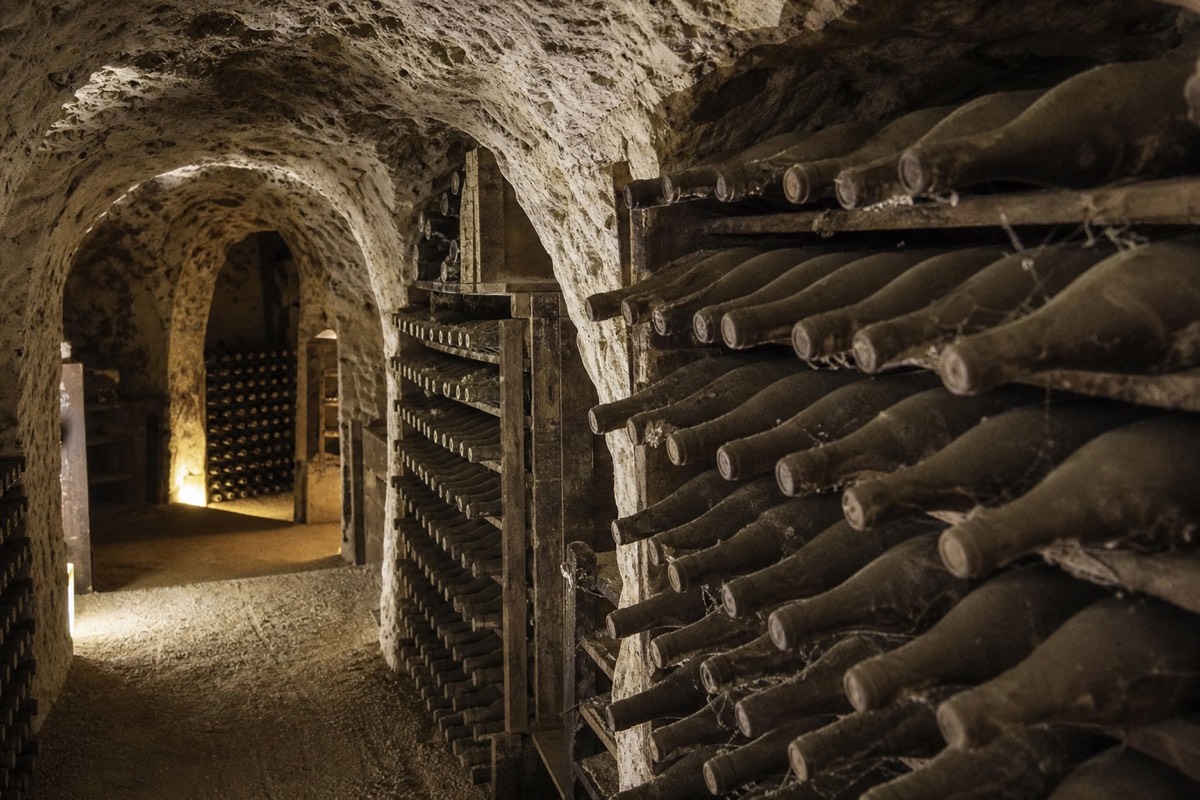
The valley is long, and no single day covers it end to end. The practical move is to pick one base, then two or three doors within an easy drive. Around Tours and Amboise you get Chenin Blanc, still and sparkling, plus the most famous chateaux. Push west toward Chinon and Saumur for red Cabernet Franc and sparkling Cremant. Reach east to Sancerre for Sauvignon Blanc, though that is a longer haul from where most tours run. If you want the reasoning behind those regional splits, the guide to the Loire's appellations and grape varieties lays them out grape by grape.
Here is the shortlist we send people to first, with the appellation, the style in the glass, and what the visit is built around.
| Estate / cellar | Where | Mainly pours | What the visit is built around |
|---|---|---|---|
| Caves Ambacia | Amboise | Local wine flight | 15th-century troglodyte caves founded in 1463, a sommelier-led tasting with cheese and charcuterie |
| Domaine Le Capitaine | Vouvray | Chenin Blanc, still and sparkling | Vineyard and underground cellar, five wines paired with local goat cheese |
| Cave de Vouvray | Vouvray | A wide Touraine range, including reds | Extensive limestone caves, a broad tasting with rillettes and rillons |
| Chateau du Petit Thouars | Near Chinon | Cabernet Franc and Chenin Blanc | Family estate since 1636, a troglodyte cellar and a picnic among the vines |
| Monmousseau cellars | Montrichard | Loire still and sparkling | Tuffeau galleries paired with a Chenonceau boat day on the Cher |
Every one of these appears on a booked experience you can check today, so the details above are drawn from the operators' own listings rather than guesswork. If you would rather understand the mechanics first, our companion piece on how a Loire tasting actually works covers etiquette, pours and pace before you commit to a full day out.
Where do you taste around Vouvray and Tours?
Vouvray is the easiest and most rewarding base for tasting, a short drive from Tours where Chenin Blanc grows on tuffeau slopes and turns up dry, off-dry, sweet and sparkling from the same grape. Two doors carry a morning here: Domaine Le Capitaine, a working family vineyard, and the larger Cave de Vouvray, whose limestone galleries hold a broad range.
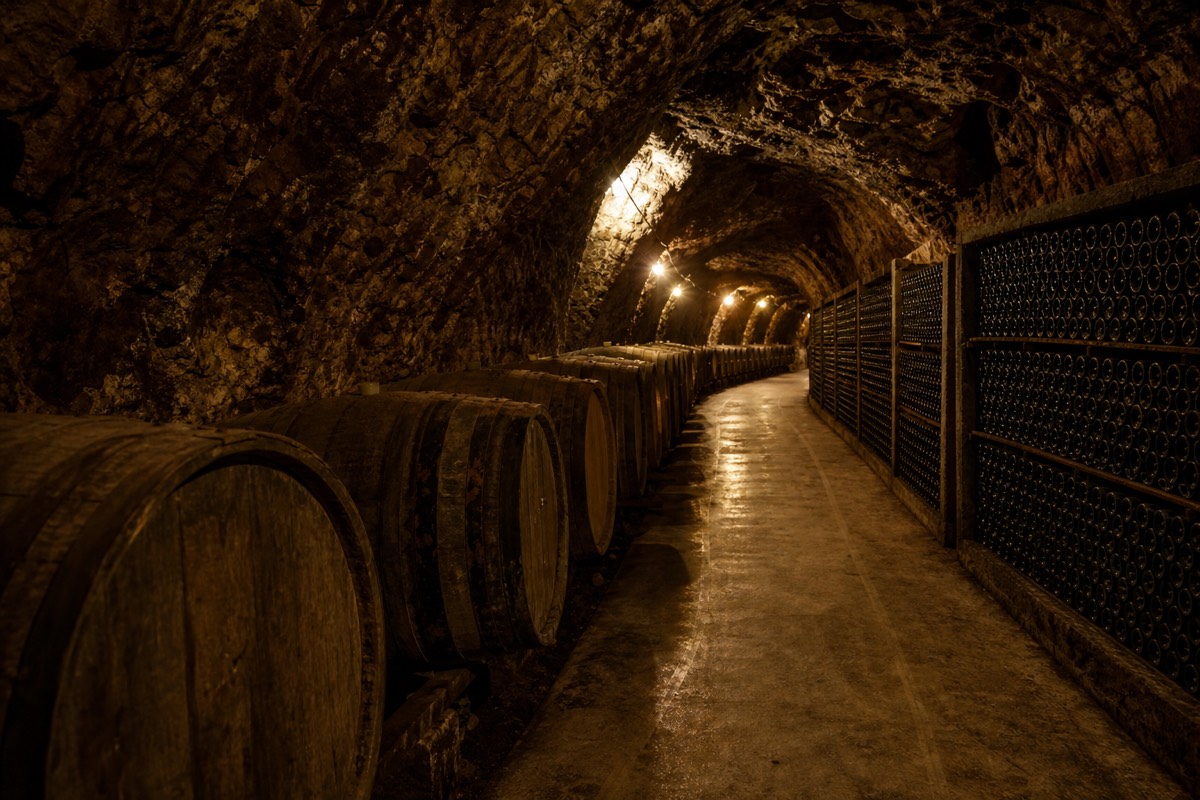
At Le Capitaine the visit walks the vines first, then drops into the cellar for five wines, both still and sparkling, set against local goat cheese. The pace is unhurried and the talk is about vine work and soil. The Cave de Vouvray leans the other way: a bigger space, a wider spread of bottles, and a tasting that reaches into regional reds alongside the whites, with rillettes and rillons on the board. Put the two together and you understand Vouvray in a single morning, which is exactly what a guided morning food-and-wine pairing in Vouvray is built to do.
| Vouvray door | Feel | What you taste | Best for |
|---|---|---|---|
| Domaine Le Capitaine | Small, family, personal | Five Chenin Blancs, still and sparkling, with goat cheese | Meeting a grower and hearing the vineyard story |
| Cave de Vouvray | Larger limestone caves | A broad Touraine range, including reds, with rillettes and rillons | Comparing many styles in one cool cellar |
Vouvray sparkling deserves a word. Made by the traditional method and aged in these caves, it is fresh, gently nutty and a fraction of Champagne money. If a bright aperitif is the memory you want to carry home, start your tasting here. Sparkling also links neatly to Saumur further west, which we come to next.
Which estates and cellars sit around Chinon and Saumur?
West of Tours the wine turns red. Chinon and neighbouring Bourgueil grow Cabernet Franc into light, earthy reds with red-fruit and herb notes, while Saumur adds Cremant sparkling and its own famous underground cellars carved from tuffeau. This is the valley's red heart, and it drinks beautifully with the local charcuterie.
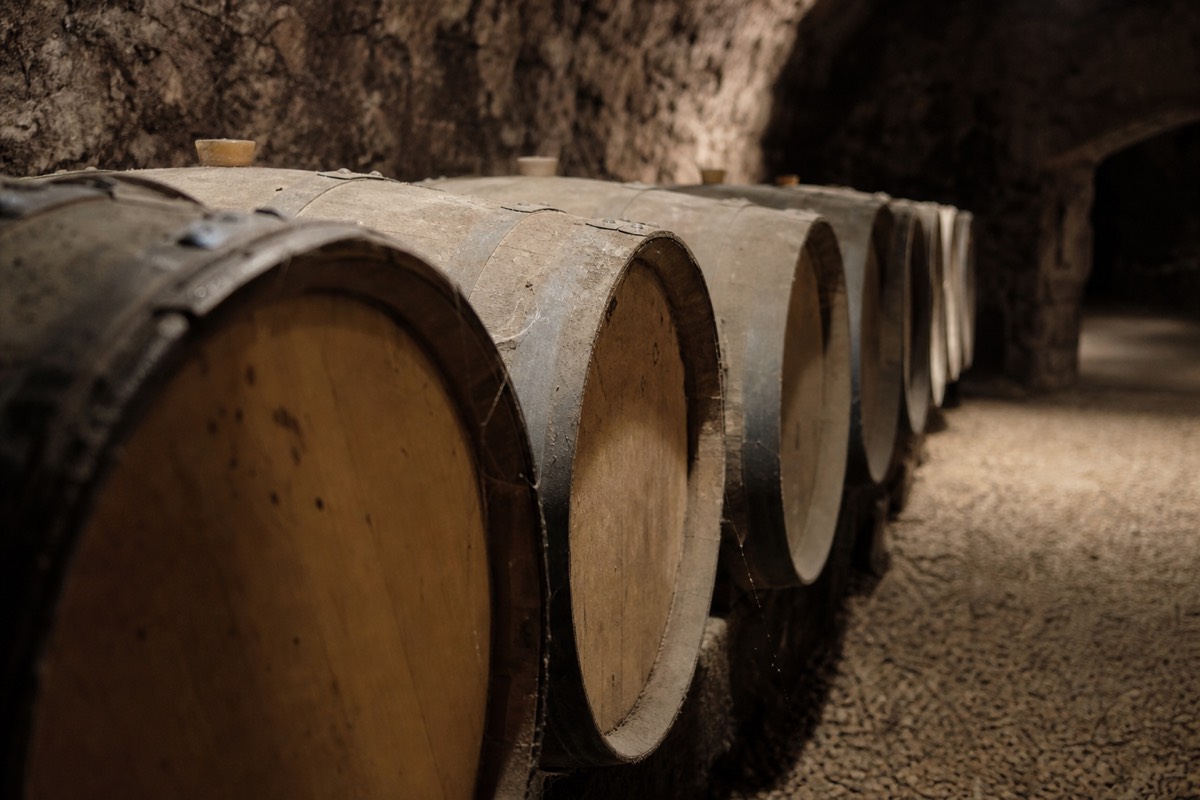
The standout here is the Chateau du Petit Thouars, a family estate at Saint-Germain-sur-Vienne that has been run by the same line since 1636, across thirteen generations. A visit walks the Cabernet Franc rows, descends into hand-carved limestone cellars where the wine ages in French oak, then settles into a seated picnic with an included bottle. Goat cheese and the estate's own winemaker's tart round it off, with an ancient dovecote for the photographs. It is the most personal tasting we list, and a vineyard picnic near Chinon is how most visitors reach it, since the estate sits off the main tourist track and asks that you arrive under your own steam.
| Area | Signature style | Grape | Try it with |
|---|---|---|---|
| Chinon | Light, herbal red | Cabernet Franc | Charcuterie, rillettes, soft cheese |
| Bourgueil | Firmer, structured red | Cabernet Franc | Roast meats, aged cheese |
| Saumur | Cremant sparkling and reds | Chenin Blanc, Cabernet Franc | Aperitif, goat cheese, tarts |
Chinon reds are the friendliest introduction to Loire Cabernet Franc: cool-climate, medium-bodied and food-shaped rather than heavy. Serve them a touch below room temperature and they sing. If reds are your reason for coming, this is where to spend the day, and it is one of the wines the region is quietly proud of, as our note on the wines the Loire is best known for explains.
Are the Amboise caves and Chenonceau's chateau cellars worth it?
Yes, when you want history and wine in one stop. The Caves Ambacia at Amboise pour a wine flight by a sommelier inside 15th-century troglodyte caves founded in 1463, while a Chenonceau day pairs the river-spanning chateau with a cellar tasting at Monmousseau in Montrichard. Both put you underground in cool tuffeau galleries that hold a steady temperature all year.
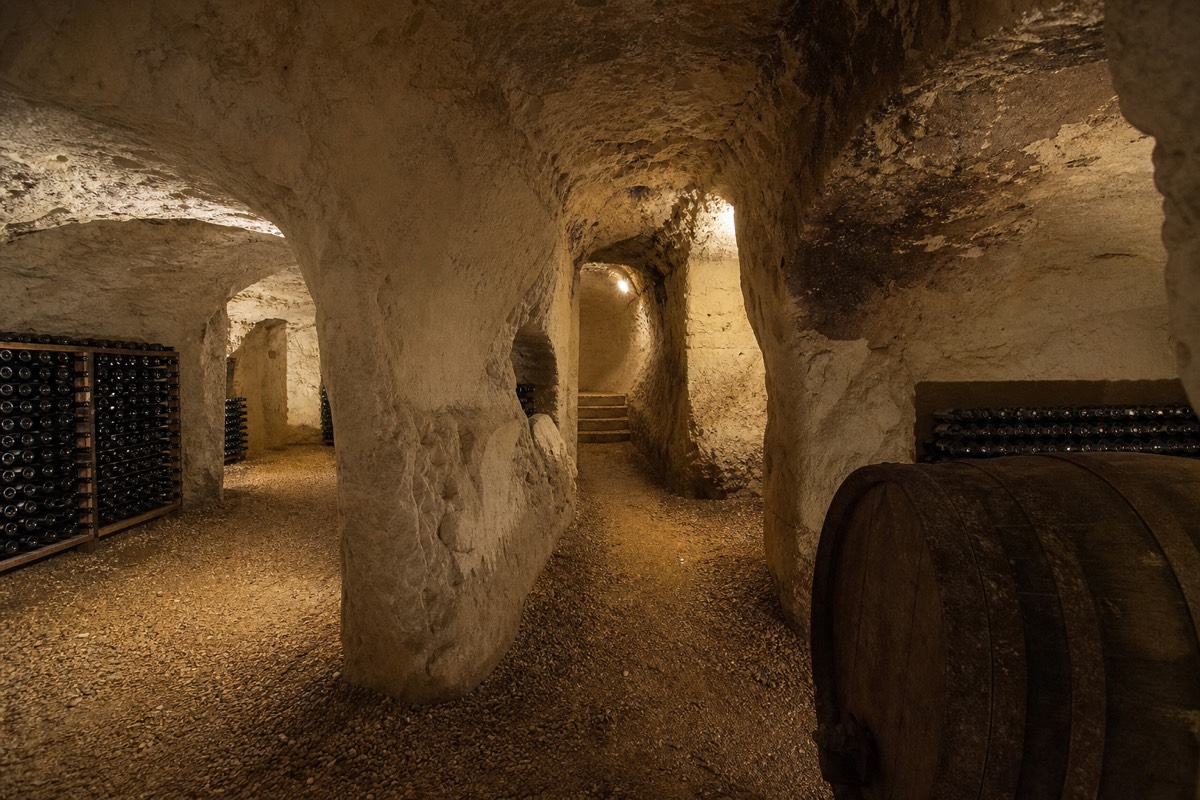
Amboise is the tighter experience: a two-part visit that opens with a sensory walk, moves through a century and a half of wine history, then lands on the tasting itself, with cheese and charcuterie beside each pour. It sits inside the cool cave the whole time, so a light layer earns its place in your bag. The visit runs about two hours and finishes at an on-site bistro and boutique, and the caves ship a case worldwide if you fall for a bottle. Reaching it is simple from town, and the Ambacia cave tour and tasting bundles the whole circuit with the sommelier.
Chenonceau works differently. You tour the Chateau de Chenonceau, the arched "Ladies' Castle" that spans the River Cher, then board a boat for lunch on the water before dropping into the Monmousseau cellars for a guided tasting underground. It is a full day rather than a quick stop, and the chateau does much of the heavy lifting on atmosphere. If choosing between the great houses is your real question, our look at which chateau to build a day around weighs them up.
What is a Loire winery visit actually like?
Expect a small group, a cool cellar, and a guided flight of six to ten wines set against local cheese and charcuterie. A grower or sommelier walks you from vine to barrel to glass, the tastings run two to three-and-a-half hours on their own, and full-day trips fold in a chateau and lunch. Nobody rushes, and spitting is normal, not rude.
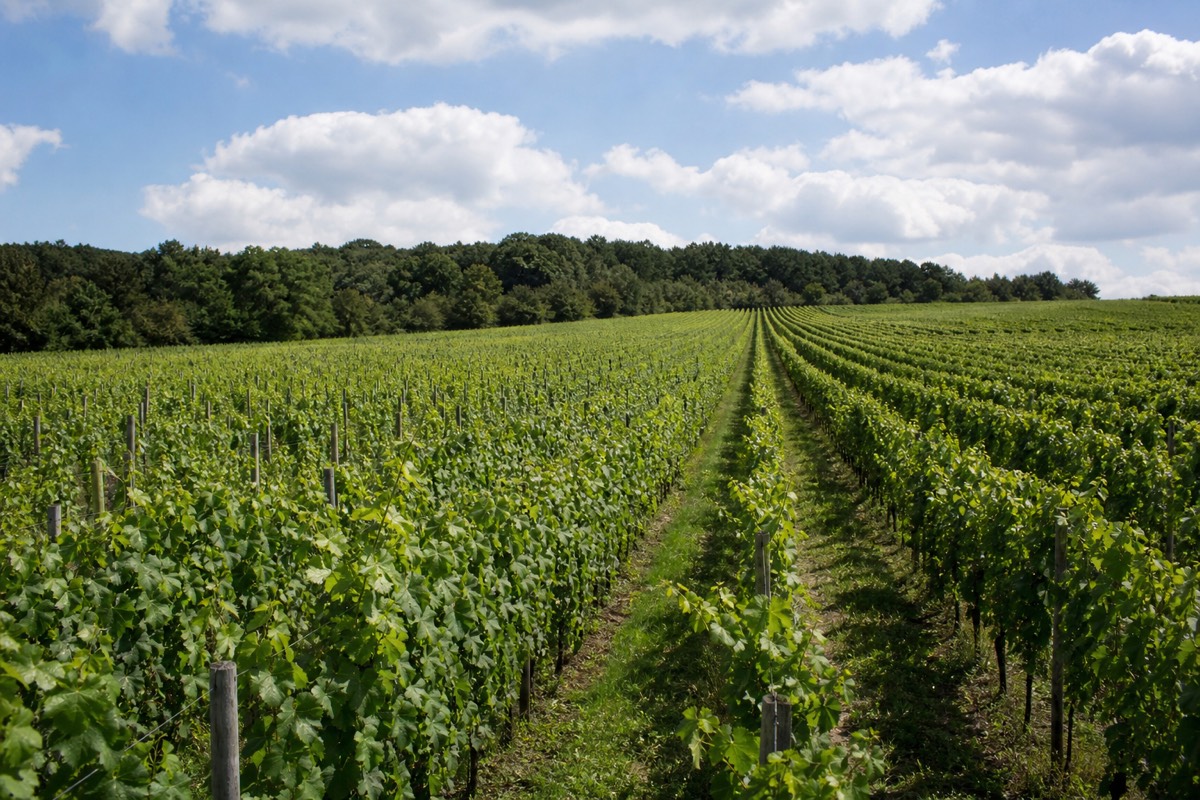
The rhythm is consistent across the estates we list. You start outside among the vines with a few words on soil and season, move into the limestone cellar where the wine ages, then taste in order, usually lightest to fullest, whites before reds, dry before sweet. Small groups are the rule: the Vouvray morning and the private chateau days cap at eight, and the picnic near Chinon is more intimate still. That cap is why questions get real answers. Below is what the numbers look like across the experiences we list, with traveller ratings taken from each live listing.
The sensory side is what people remember. In the Amboise caves the visit deliberately works the nose first, with aroma stations that prime your palate before a single wine is poured, and the sommelier ties each scent back to the soil it came from. Elsewhere the host is often the grower, or on the family estates a member of the family who has worked the vineyard for generations, so the answers are first-hand rather than rehearsed. The welcome tends to be warmer and less formal than at Bordeaux's grand classified estates, a contrast our side-by-side of the Loire and Bordeaux digs into. That personal contact, more than any single wine, is what visitors tend to talk about afterwards.
| Experience | Length | Group | Pours | Rating on the listing |
|---|---|---|---|---|
| Amboise caves, wine flight | About 2 hours | Small group | Six, with pairings | 4.7 |
| Morning in Vouvray, two estates | About 3.5 hours | Up to 8 | Ten across two cellars | 5.0 |
| Picnic in the vines, near Chinon | About 2.5 hours | Private, intimate | Full tasting, plus a bottle | 4.8 |
| Chenonceau, boat and cellar | About 7 hours | Up to 8 | Cellar tasting at Monmousseau | 4.8 |
| Three chateaux, private, with lunch | About 9.5 hours | Up to 8 | Wine with a chateau lunch | 4.9 |
Two practical notes carry across all of them. Cellars stay cool even in August, so carry a light layer. And tasting is 18 and over, with non-alcoholic options for younger travellers on the family days. Across the trips we list at Loire Valley Wine Tours, the average traveller score sits at 4.8, which tells you the format works.
How do the tuffeau cliffs shape what ends up in your glass?
Tuffeau is the soft, pale limestone that built the chateaux and, once quarried out, left the caves that now age the wine. Cut into the cliffs above the rivers, these troglodyte cellars hold a cool, damp, steady climate year-round, which is ideal for maturing still wine and for the slow second ferment of sparkling. The stone that made the palaces also makes the wine.
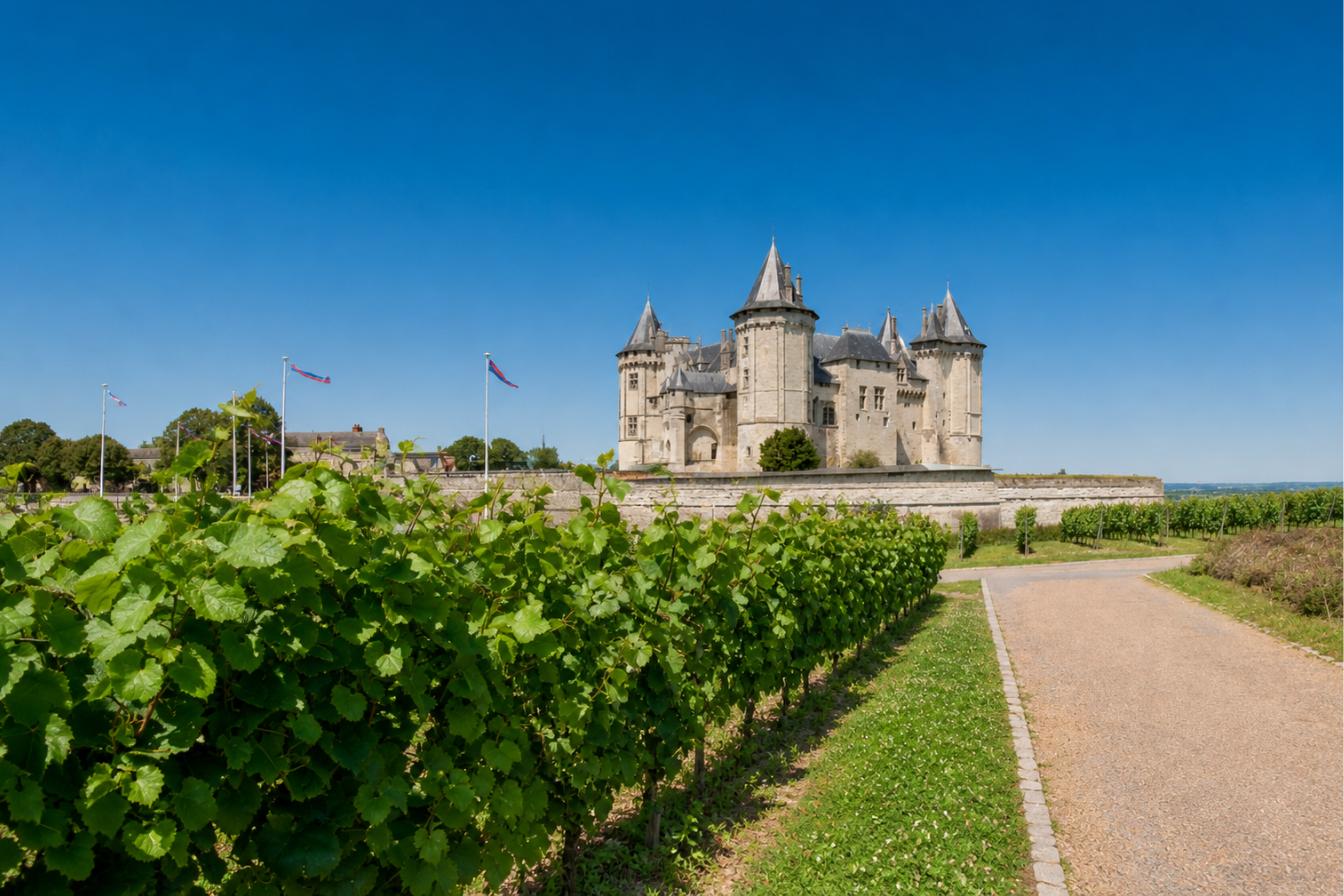
You feel it the moment you step inside. The air drops several degrees, the light goes soft, and bottles rest in hand-carved galleries that run deep into the hillside. Quarrying tuffeau for building stone hollowed out these tunnels over centuries, and growers from Amboise to Vouvray to Saumur and Montrichard took them over as natural cellars. The result is a maturation space no modern warehouse can copy: constant temperature, high humidity, and no need for energy-hungry cooling.
| Cellar type | How it came to be | Where you meet it | Why it matters to the wine |
|---|---|---|---|
| Troglodyte cave | Dug into tuffeau cliffs, often old quarries | Amboise, Vouvray, Saumur, Montrichard | Cool, humid and steady all year, no artificial cooling |
| Chateau cellar | Vaulted stone beneath a great house | Chenonceau, chateaux on Paris day trips | Historic setting, often a complimentary pour on a visit |
| Working estate cellar | Below a family winery, beside the barrels | Vouvray, Chinon | Taste at the source, with the grower answering |
This is also why the region protects its landscape so carefully. The middle stretch of the valley, from Sully-sur-Loire to Chalonnes, holds UNESCO World Heritage Site status for exactly this blend of river, vine and cut-stone architecture, and the appellation rules that govern what goes in the bottle are published by the region's own wine body, Vins de Loire.
Where should you taste, region by region?
Match the region to the wine you most want to drink. Vouvray and Touraine for Chenin Blanc, Chinon and Bourgueil for Cabernet Franc reds, Saumur for Cremant sparkling, Sancerre and Pouilly-Fume for Sauvignon Blanc, Anjou for sweet and dry Chenin, and the Pays Nantais for crisp Muscadet by the sea. The map runs west to east, and so does the change in grape.
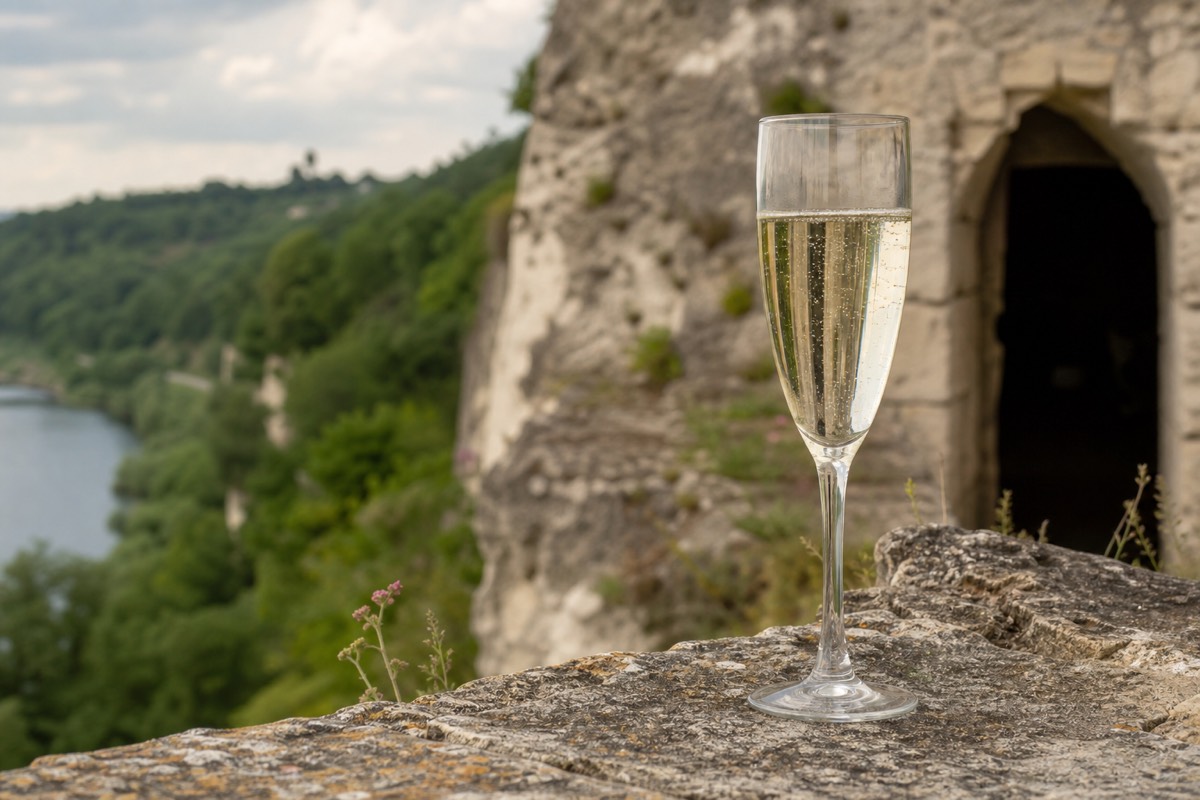
Most tours cluster around Tours because the best-known chateaux and the friendliest tasting doors sit within reach of it. Sancerre and Pouilly-Fume are the exception: superb Sauvignon Blanc, but a longer drive east, better folded into a dedicated trip than a day out. If Sauvignon is your grape, read our guide to the Sauvignon Blanc hills of Sancerre before you plan. Use the orientation table below to decide where a day is best spent.
| Region | Nearest base | Grape | In the glass | Good for |
|---|---|---|---|---|
| Vouvray & Touraine | Tours, Amboise | Chenin Blanc | Dry to sweet whites, still and sparkling | First-timers and easy access |
| Chinon & Bourgueil | Chinon | Cabernet Franc | Light, earthy, food-friendly reds | Red lovers and charcuterie |
| Saumur | Saumur | Chenin, Cabernet Franc | Cremant sparkling and reds | Sparkling and cave cellars |
| Sancerre & Pouilly-Fume | Sancerre | Sauvignon Blanc | Mineral, citrusy whites | Sauvignon devotees, longer trips |
| Anjou | Angers | Chenin Blanc | Dry whites and sweet Coteaux du Layon | Sweet wine and value |
| Pays Nantais | Nantes | Melon de Bourgogne | Crisp, saline Muscadet | Seafood and coastal trips |
For a first visit, the winning pair is Vouvray plus Chinon: white then red, cellar then vineyard, a short drive apart. Stretch to three days and you can add Saumur's sparkling or push toward Amboise's caves. Our planner for a two- or three-day wine route stitches these into a real schedule, and if you are still deciding where to sleep, the note on where to base a wine trip settles the Tours-versus-Amboise question.
How do you turn a shortlist into one flowing day?
Pair one cellar-heavy stop with one vineyard stop, keep them a short drive apart, and leave the middle of the day for a proper lunch. A relaxed Touraine day runs a morning across two Vouvray estates, a long lunch in Amboise or Tours, then an afternoon underground in the Amboise caves. Two tasting stops is plenty; a third is a stretch once lunch and driving are counted in.
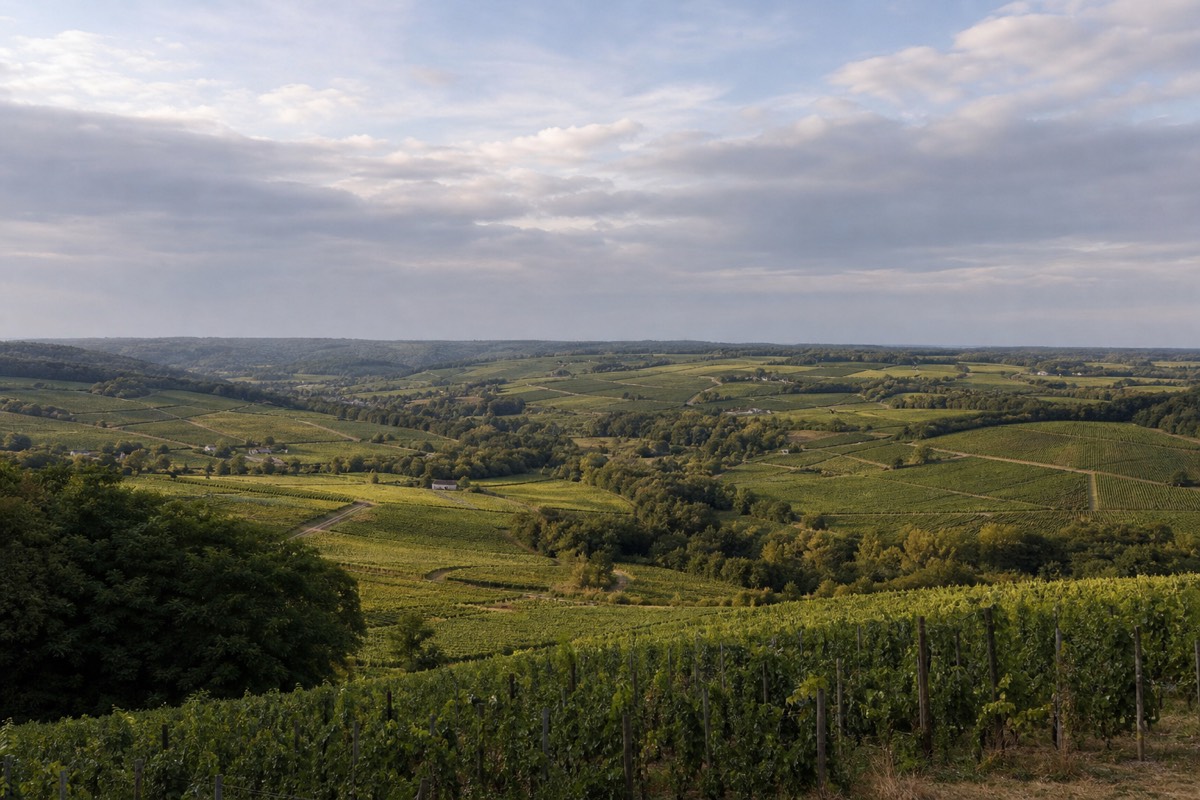
The cap at two stops is not laziness, it is arithmetic. A good cellar visit runs two to three-and-a-half hours with the vineyard walk, the pours and the conversation, and lunch in the Loire is not a thing you hurry. Bolt on a third estate and you either gulp the wines or skip the food, and the food is half of why you came. Build in the drive between doors, allow for the cool cellars where you will want that light layer, and the day fills itself without feeling rushed.
A worked example makes it concrete. Start at nine with the morning Vouvray pairing, ten wines across Domaine Le Capitaine and the Cave de Vouvray set against goat cheese and rillettes. Break for a long lunch back in town around one. Spend the early afternoon in the Amboise caves, a wine flight poured by a sommelier in the cool of the 15th-century tunnels, and finish by mid-afternoon with a case arranged to ship home. That is white then broader range, vineyard then deep cave, all inside a compact stretch of the valley, and it leaves the evening free. Reverse it for an afternoon start, or swap the Amboise caves for the Chinon picnic if reds are the reason you came.
What does it cost, and how do you book or reach the estates?
Guided tastings we list run from around €37 for the Amboise caves to around €285 for a shared castle day with lunch, all per person and all worth confirming on the live listing. Reaching the doors is easiest by guided minivan, or by car from Tours; the TGV from Paris Montparnasse reaches Tours in about an hour and ten minutes. Prices move with season and availability, so treat these as starting points.
Booking direct with a family estate is possible, but the doors keep short hours, some sit off the main roads, and drink-and-drive limits are real once tasting begins. That is why most visitors let a guide handle transport and access. The comparison below shows what each experience bundles.
| Experience | Roughly, per person | Where | What is bundled |
|---|---|---|---|
| Amboise caves, wine flight and pairings | around €37 | Amboise | Sommelier-led caves and tasting, own transport |
| Picnic in the vines and tasting | around €91 | Near Chinon | Guided cellar, four-course picnic, a bottle |
| Day trip from Paris | around €139 | Chambord and Chenonceau | Coach, skip-the-line entry, a cellar tasting |
| Morning in Vouvray, ten pours | around €149 | Vouvray | Minivan from Tours, two estates, food pairing |
| Chateau, boat and cellar day | around €269 | Chenonceau on the Cher | Chateau, lunch cruise, cellar tasting |
| Shared castle day, with lunch | around €285 | From Tours | Shared minivan, three chateaux, wine with lunch |
Coming from the capital changes the calculus. A long day is doable, taking in the Chateau de Chambord and its Leonardo-attributed double-helix staircase before a Chenonceau cellar pour, though it means an early start and a late return. If you would rather weigh the transport options first, our guide to reaching the region from Paris compares train, coach and self-drive, and the note on when to go for the harvest helps you pick the month. Whichever you choose, book the tasting ahead in spring and autumn, when the good slots fill first.