Loire Valley Wine Itinerary: 1, 2 & 3-Day Routes
Three worked routes for a Loire Valley wine trip: a single day, a two-day loop and an unhurried three days, each with a base town, timed legs, which cellars and châteaux to taste, and where to stop for lunch.
Two facts shape almost every Loire wine trip. The Chenin Blanc vines above Vouvray sit barely fifteen minutes from the centre of Tours, while Sancerre, the region's most famous white, lies more than two hours the other way, past the edge of where the châteaux cluster. Get those distances right and a Loire Valley Wine Tours plan almost writes itself. Get them wrong and you spend the holiday in the car instead of in a cellar. This guide lays out three worked routes, a one-day sprint, a two-day loop and an unhurried three days, each with a base town, timed legs, which appellations to taste, and where to stop for lunch.
Anchor each day around one main experience and leave room for lunch and transfers.
Booking choice: Vouvray Wine And Food Morning suits a Tours departure. Allow 3.5 hours and compare the included transport before arranging other stops.
Explore Vouvray Wine And Food MorningDrive times from Tours
Approximate road times from the centre of Tours. Sancerre and Pouilly-Fumé sit far to the east, which is why they rarely fit a short Touraine trip.
How should you base a Loire wine itinerary: Tours, Amboise or Paris?
Base yourself in Tours or Amboise, not Paris, for anything longer than a single day. Almost every cellar and château worth a wine traveller's time, Vouvray, Amboise, Chenonceau, Chinon and Chambord, sits within an hour of Tours, while Sancerre lies two hours east and suits a separate trip.
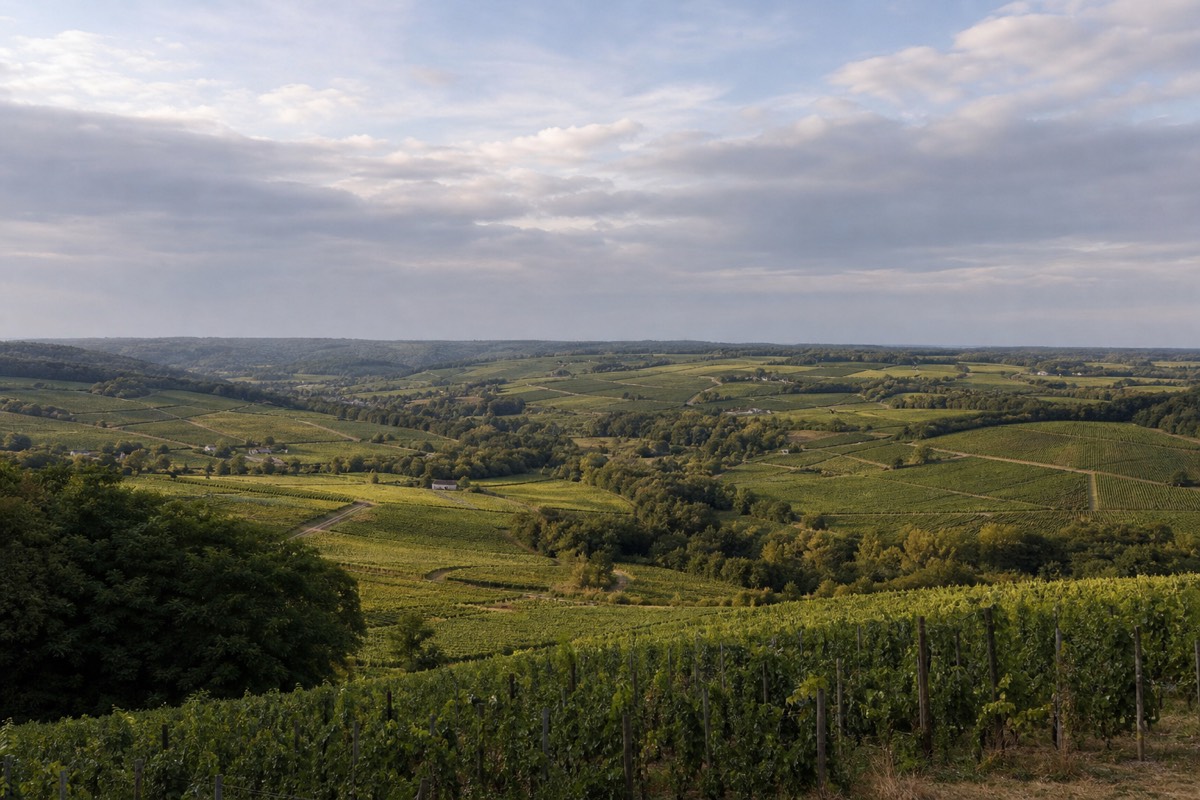
Tours is the natural hub. Fast trains reach it from Paris in about an hour and ten minutes, it has a proper station network for onward hops, and it sits dead centre in the Touraine, the compact heart of the wine country. Amboise is the romantic alternative: smaller, right on the river, a twenty-minute drive from Tours and even closer to Vouvray and Chenonceau. Blois pulls you north toward Chambord but adds time to every western appellation. Choosing between them is really a question of where to base a wine trip around the stops you care about most.
Paris is not a base, it is a starting line. A single long day out and back can work, and plenty of visitors do exactly that, but two hours each way eats the tasting time. If Paris is your only fixed point, read up on getting to the Loire from Paris before you commit, then decide whether one packed day or a proper stay makes more sense for you.
| Base | Drive to the wine core | Rail access | Best for |
|---|---|---|---|
| Tours | 15 to 60 min to Vouvray, Amboise, Chenonceau, Chinon | Fast train from Paris about 1h10; regional hub | Most trips, and a first visit |
| Amboise | 15 to 40 min to Vouvray, Chenonceau, Chambord | Regional train about 20 min from Tours | Riverside stay, château lovers |
| Blois | Closest to Chambord and Chenonceau; about 40 min to Vouvray | Intercity from Paris about 1h30 | Northern châteaux, Chambord focus |
| Chinon or Saumur (west) | In the red and sparkling country; 50 to 60 min to Tours | Regional train from Tours | Cabernet Franc and Crémant focus |
| Paris (not a base) | Two hours or more each way | Fast train to Tours about 1h10 | A single long day only |
What does a one-day Loire wine itinerary look like?
A one-day Loire wine plan comes in two shapes. From Paris it is a long twelve to thirteen hour push built around two châteaux and one tasting. From a Tours or Amboise base it is gentler: a morning cellar in Vouvray, a château after lunch, and you are back in time for dinner.
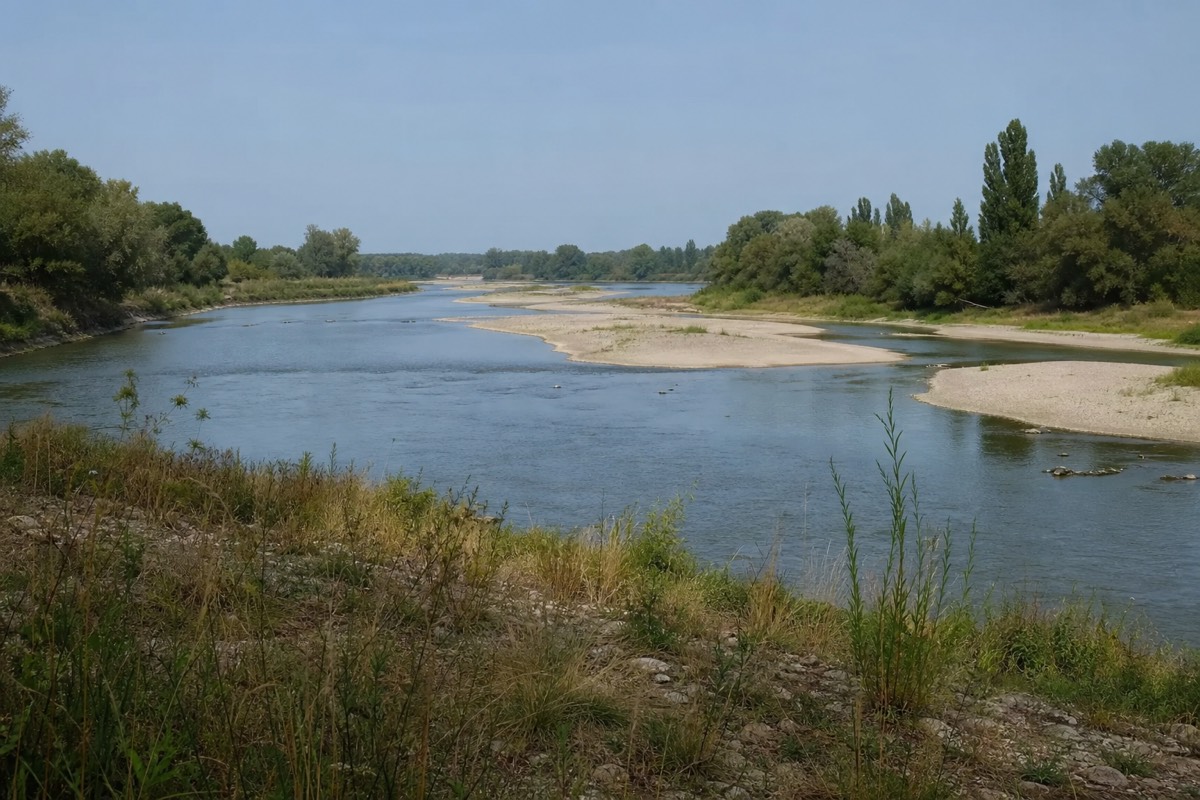
The base-day version below is the one to copy if you are already staying in the valley. It leans on a morning Vouvray food-and-wine pairing for the cellar and tasting, then keeps the afternoon light. Vouvray gives you both still and sparkling Chenin, so a single morning covers two styles before you have even seen a castle.
| Time | Where | What you do |
|---|---|---|
| 09:00 | Vouvray | Cellar visit and Chenin Blanc tasting, still and sparkling |
| 11:30 | Amboise | Troglodyte tuffeau cellar, plus a short town or château stop |
| 13:00 | Amboise | Riverside lunch, unhurried |
| 14:30 | Chenonceau | Château, gardens, and a cellar tasting |
| 17:00 | Your base | Back for the evening |
From Paris the day is longer and firmer. Expect an early departure, a coach or train transfer of a couple of hours, roughly six to eight hours on the ground across two châteaux such as Chambord and Chenonceau with one cellar tasting, then the ride home. It is a real taste of the region rather than a deep one, and it is exactly the trip a guided day tour is built to smooth out. If a day is all you have, that is fine; if the wine is the point, the two-day and three-day routes below reward the extra night.
What's the best two-day Loire wine itinerary?
The best two-day route splits the Touraine in half. Day one runs east from Tours through Vouvray and Amboise to Chenonceau. Day two heads west to Chinon's Cabernet Franc, the gardens at Villandry, and, if you have the appetite, a Saumur sparkling cellar. Two appellations, two châteaux, no backtracking.
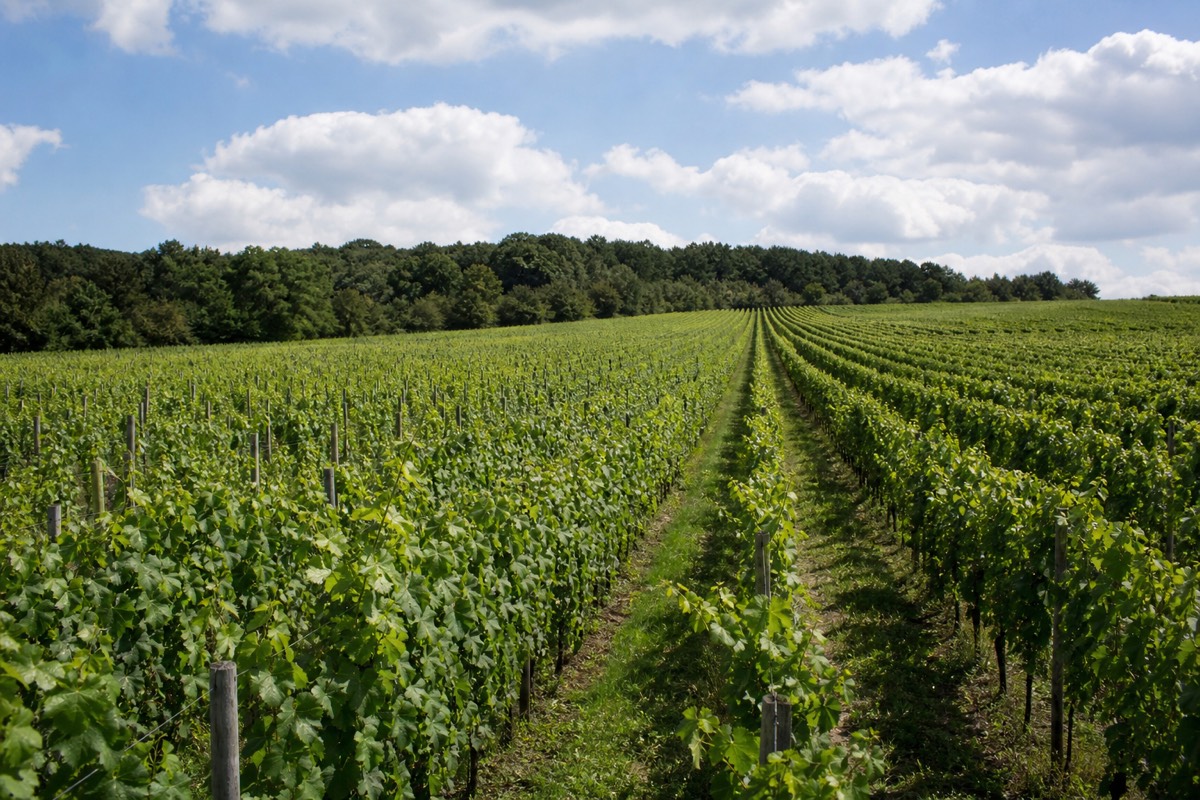
Day one is the postcard day. Vouvray in the morning for Chenin, a tuffeau cellar and lunch in Amboise, then Chenonceau in the afternoon. Seeing the château from the water is the version people remember, which is why a Chenonceau river boat tour pairs so well with this leg. Deciding which château is worth your time is easier once you have stood under Chenonceau's arches over the Cher.
Day two changes colour, literally. West of Tours the wine turns red: Chinon and Bourgueil make elegant, food-friendly Cabernet Franc, and a vineyard picnic among the vines is one of the loveliest ways to taste it. Villandry's Renaissance gardens sit on the way back, and Saumur, a little further, adds sparkling Crémant and its famous cellars if you want a fuller day. To go deeper on the grapes behind each stop, our notes on the Loire's appellations and grapes are the companion read.
| Day | Morning | Midday | Afternoon |
|---|---|---|---|
| Day 1 (east) | Vouvray cellar, Chenin Blanc | Lunch in Amboise | Chenonceau château and a boat on the Cher |
| Day 2 (west) | Chinon, Cabernet Franc, a picnic in the vines | Lunch among the vineyards | Villandry gardens; optional Saumur sparkling cellar |
How do you plan a three-day Loire wine itinerary?
Three days is the sweet spot. It lets you pair the big two châteaux, Chambord and Chenonceau, with an unhurried day among the vines and a third day for the western reds and sparkling wines. You taste four appellations, see three or four castles, and never spend more than an hour in the car at once.
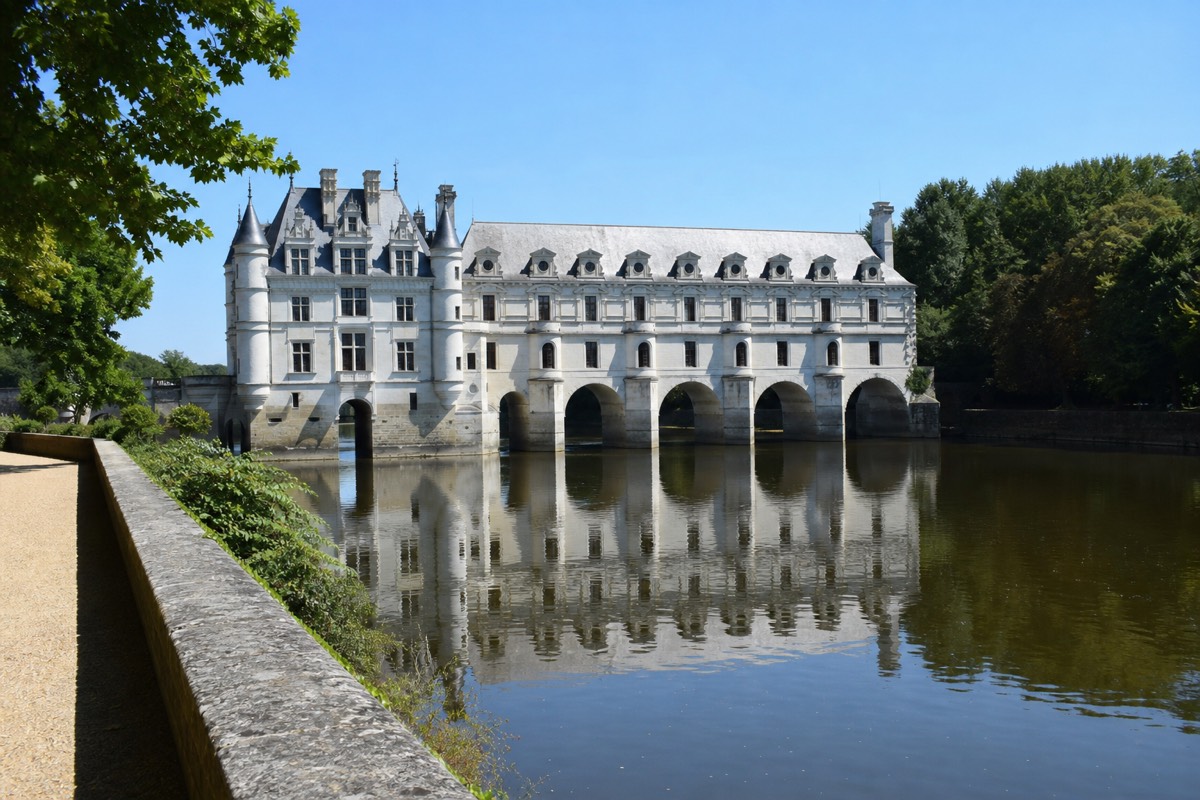
Day one goes for the icons. Chambord's roofline, that forest of chimneys and the double-helix staircase, then Chenonceau, with a proper lunch between them. This is the day a shared Chambord and Chenonceau day tour with lunch earns its place, because linking the two by road while still tasting well is the hardest logistics of the whole trip. Chambord sits inside a walled estate that is itself remarkable; the official Château de Chambord site is the place to check opening times and events before you go.
Day two slows right down in Vouvray and Amboise: a cellar tasting, a walk through the tuffeau galleries, the château at Amboise, and time by the river. Day three heads west for Cabernet Franc at Chinon, sparkling Crémant at Saumur, and Villandry's gardens on the way home. The whole loop threads through a landscape protected as a UNESCO World Heritage site, from Sully-sur-Loire down to Chalonnes, which is part of why the scenery between stops is as good as the wine.
| Day | Base leg | Wine focus | Château or sight |
|---|---|---|---|
| Day 1 | East from Tours | Cellar tasting between castles | Chambord, then Chenonceau, with lunch |
| Day 2 | Vouvray and Amboise | Chenin Blanc, sparkling, tuffeau cellars | Amboise château and riverfront |
| Day 3 | West to Chinon and Saumur | Cabernet Franc reds, Crémant sparkling | Villandry gardens; optional fourth day east |
How far apart are the Loire's wine villages and châteaux?
Distances decide your day. From Tours it is about fifteen minutes to Vouvray, half an hour to Amboise, forty minutes to Chenonceau, and roughly an hour to Chinon, Saumur or Chambord. Sancerre, the famous Sauvignon Blanc, is a two-hour-plus drive east, which is why it rarely fits a short Touraine trip.
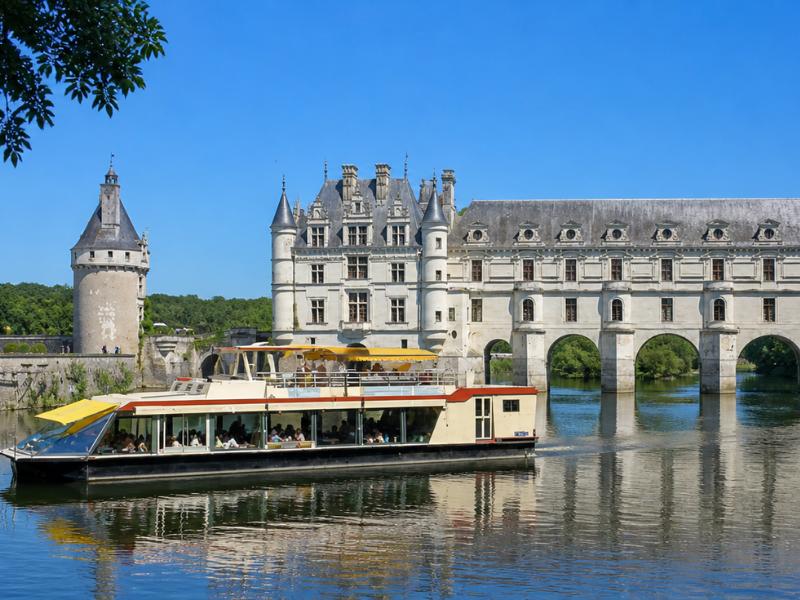
The table below is the single most useful thing to internalise before you plan. Notice how tight the Touraine cluster is: Vouvray, Amboise, Villandry and Chenonceau all sit inside a forty-minute radius of Tours, so a day can hold two or three of them comfortably. Chinon, Saumur and Chambord push out to the hour mark, still easy but better as an anchor for a whole day rather than a quick add-on. Sancerre and Pouilly-Fumé are a different trip entirely, closer to Bourges than to any château on this list.
| From Tours to | Approx distance | Drive time | By rail |
|---|---|---|---|
| Vouvray | about 10 km | about 15 min | Road or tour; no useful station |
| Amboise | about 25 km | about 30 min | Regional train about 20 min |
| Chenonceau | about 35 km | about 40 min | Small station at Chenonceaux, 30 to 40 min |
| Villandry | about 18 km | about 25 min | Road or tour |
| Chinon | about 48 km | about 50 min | Regional train about 50 min |
| Saumur | about 65 km | about 1 hr | Regional train 30 to 40 min |
| Chambord | about 60 km | about 1 hr | No station; reach via Blois by road |
| Sancerre | about 180 km | about 2 hr 15 min | Awkward; effectively a car trip |
Should you drive, take the train, or join a guided tour?
Self-drive, rail and guided tours each solve a different problem. A car reaches scattered family estates but forces someone to stay sober. Trains link the towns well yet cannot reach Chambord or most cellars. A guided tour handles the driving, so everyone in your group tastes freely.
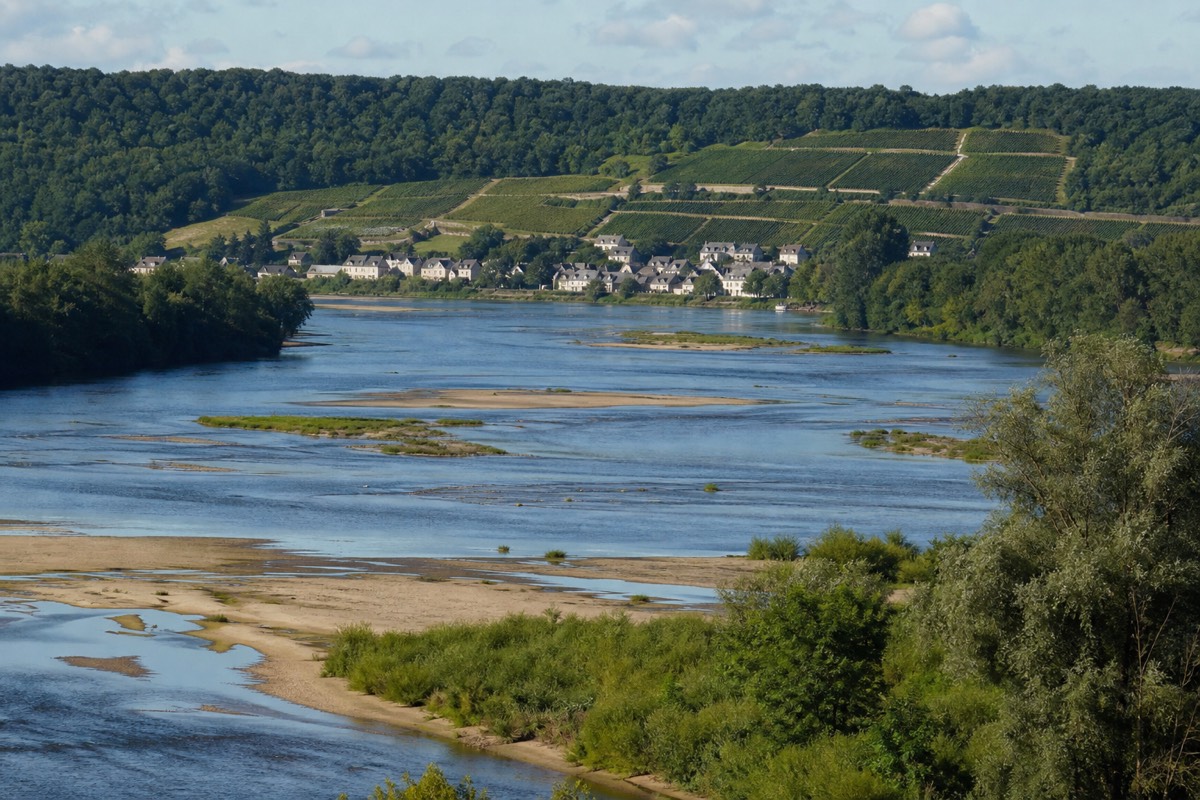
A rental car is the flexible choice, and for a couple happy to nominate a driver it is hard to beat. The catch is obvious: whoever drives cannot taste properly, and the best cellars are down farm lanes that no bus serves. Rail is genuinely useful in the Loire, more than in most French wine regions, because Tours, Amboise, Chenonceaux, Chinon and Saumur all sit on train lines. What the train cannot do is reach Chambord, which has no station, or the estates set out in the vines. If you are weighing a car-free trip, our companion piece on the train from Paris to the Loire covers the connections in detail.
A guided tour is the answer when the group wants to taste and nobody wants to drive rural roads. It also fixes the day's timing, which matters most on harvest weekends when estates are busy and slots are scarce. The trade-off is a set route and set stops. Many visitors mix all three across a trip: a guided day for the two-castle logistics, a train hop for a town, and a car for one afternoon in the vines.
Two practical details tip the decision for many groups. The small-group tours here run in minivans capped at around eight travellers, which keeps the day personal and means the driver, not you, handles the narrow rural lanes and the château car parks that fill by late morning in season. If you do drive yourself, plan parking for Chambord and Chenonceau in particular, where the visitor lots sit a short walk from the gates and back up on busy afternoons. None of this rules out a car; it just explains why so many wine-focused visitors hand the wheel to someone else for at least part of the trip.
| Option | Reach | Tasting freedom | Best for |
|---|---|---|---|
| Self-drive | Everywhere, including remote estates | One driver must stay sober | Independent couples, flexible days |
| Train | Tours, Amboise, Chenonceaux, Chinon, Saumur | Full; no driving | Car-free town-to-town trips |
| Guided tour | The classic château and cellar circuit | Full; someone else drives | Groups, first-timers, harvest weekends |
What should each day's tasting and lunch plan include?
Plan two to three cellars a day, no more. Each guided tasting runs forty-five minutes to well over an hour once you add the vineyard walk and the cellar, and a real lunch eats a proper ninety minutes. Book estate visits ahead, spit at the earlier stops, and buy at the cellar door rather than carrying bottles all day.
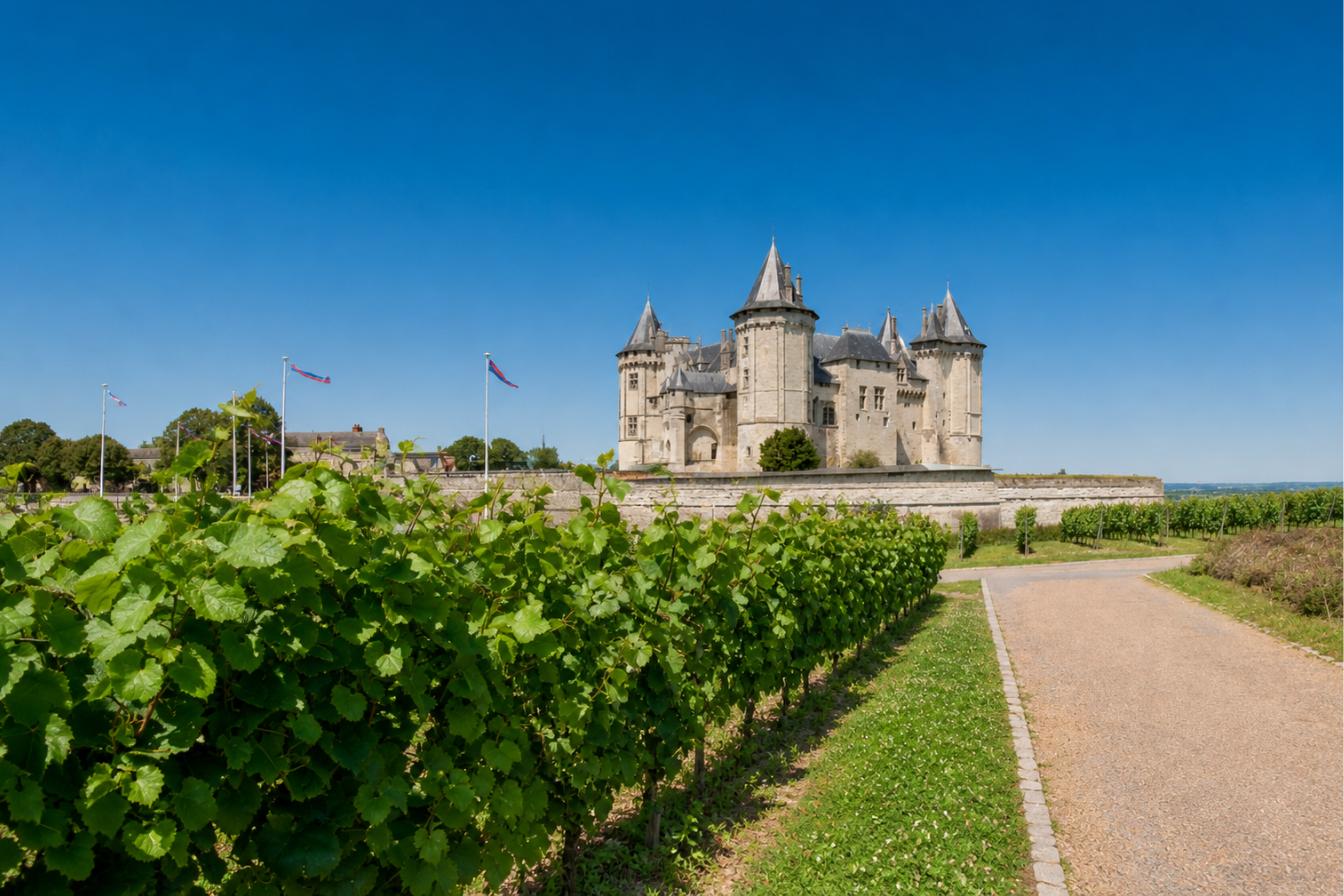
The most common mistake is greed: four or five estates crammed into a day, each one rushed, the palate exhausted by the third. Two thoughtful visits plus a château beat five box-ticking ones every time. If you want to understand what actually happens at a visit before you go, from the walk through the vines to the order of the pours, our guide to how a cellar tasting works sets expectations, and the round-up of cellars worth booking saves you the shortlisting.
Lunch is not a pit stop here, it is part of the wine. A winery table, a bistro in Amboise or Blois, or a picnic laid out in the vineyard all beat eating on the move. Loire goat cheese with a crisp Vouvray, rillettes with a young Chinon, these pairings are the region in a mouthful. Keep water on you, pace the alcohol, and leave one afternoon loose so a cellar you love does not become a clock-watch.
The cellars themselves argue for one small habit: bring a layer. Much of the tasting happens underground in the tuffeau galleries, which hold a steady cool temperature close to 12°C whatever the weather outside, so even a July afternoon can feel brisk once you descend. Timing matters too. Aim your first visit for late morning, leave a real gap for lunch, and keep the second and third tastings to the early and mid afternoon, when estates are staffed and unhurried. Trying to squeeze a late-day cellar visit after four often means a rushed pour, or a closed door.
Which itinerary fits which traveller?
Match the route to the traveller. First-timers short on time take the one-day loop; a couple on a long weekend wants the two-day version; a wine-focused trip earns the full three days. Anyone set on Sancerre should add a night in the east rather than force it into a Touraine plan.
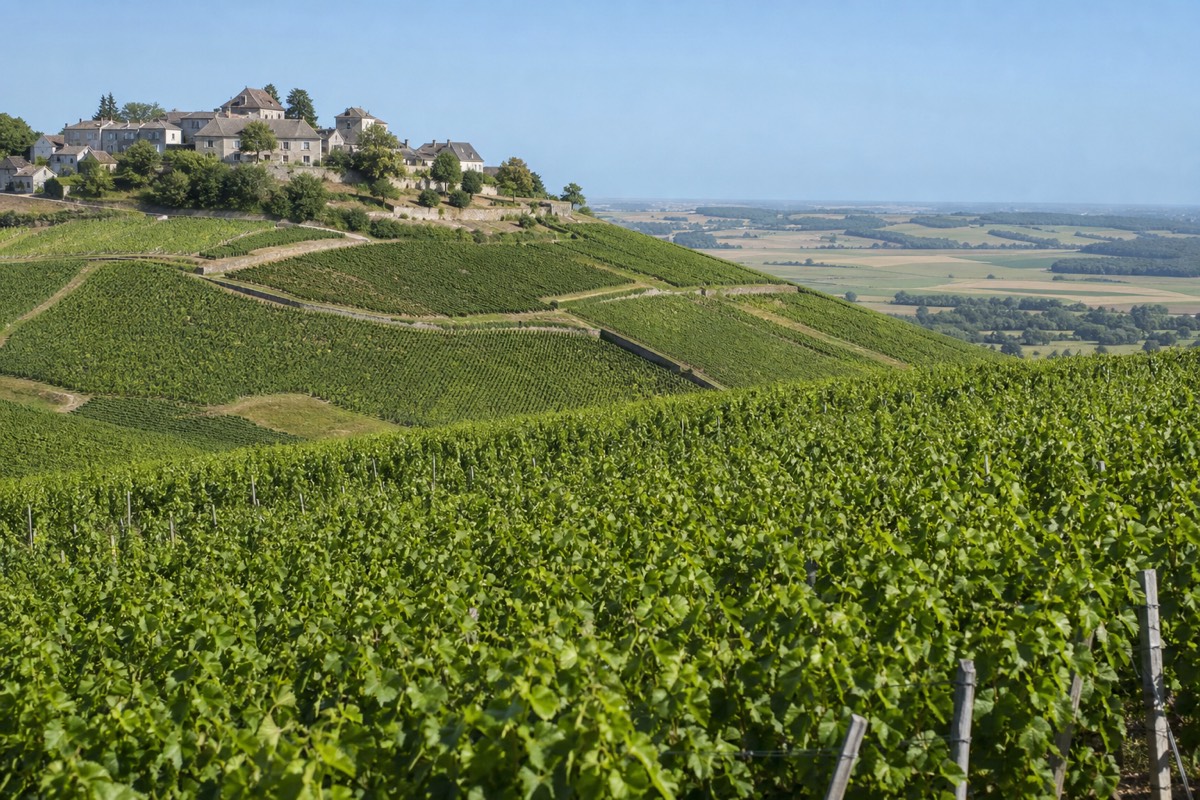
If you are still unsure how long to give it, the honest breakdown in how many days you really need in the Loire lines up the trade-offs. The short version sits in the table below: pick the row that sounds like your trip, and the base, appellations and a fitting tour fall out of it. Timing the visit well matters as much as length, so cross-check the best months to visit before you lock dates.
| Traveller | Route | Nights | Appellations | Suggested tour |
|---|---|---|---|---|
| First-timer, tight schedule | One day | 0 to 1 | Vouvray | Morning Vouvray pairing |
| Couple, long weekend | Two days | 2 | Vouvray, Chinon | Chenonceau boat tour |
| Wine-focused trip | Three days | 3 | Vouvray, Chinon, Saumur | Private Chambord and Chenonceau day |
| Sancerre devotee | Add a night east | 3 to 4 | plus Sancerre, Pouilly-Fumé | A dedicated Sancerre detour |
What tends to go wrong, and how do you keep the plan realistic?
Most Loire itineraries fail for three reasons: too many estates in a day, one person stuck driving while the rest taste, and Sancerre wedged into a Touraine trip its distance will not allow. Fix those three and a modest plan beats an ambitious one that unravels by mid-afternoon.
Build in slack. Cellars run late when a group is enjoying itself, lunch stretches, and a château you meant to skim holds you for an extra hour. Leave gaps rather than filling every slot, and treat the printed times as a spine, not a schedule. Book the estate visits and any private château lunch ahead, especially at harvest, when family wineries are working the vines and cannot always take a walk-in.
Finally, be honest about Sancerre. It is a wonderful appellation and worth a trip, just not a detour tacked onto a day built around Chenonceau. Give it its own night in the east, or save it for next time. A tight, well-fed two or three days in the Touraine will leave you happier than a frantic dash across the whole valley, and it is exactly the kind of trip the operators here are set up to run.