Sancerre Wine Guide: Grapes, Villages & Visiting
Sancerre is one of France's benchmark white wines, and one of the Loire's easternmost. Here is what it is, why the flinty hills matter, and how to fold it into a Loire trip.
Order a glass of Sancerre almost anywhere in the world and you get the same promise: a bone-dry white, sharp with citrus and a whiff of struck flint, made for oysters and goat cheese. What the glass rarely tells you is where it comes from. Sancerre is a small hilltop town at the eastern edge of the Loire, a long way from the castles most people picture, and the wine is inseparable from the stony slopes around it. This guide walks through what Sancerre actually is, why the soils matter, and how, or whether, to fold it into a Loire trip.
Give Sancerre its own wine day; the Paris departures below visit the eastern vineyards themselves.
Booking choice: Sancerre Wine And Cheese Day suits a Paris departure. Allow 12 hours and compare the included transport before arranging other stops.
Explore Sancerre Wine And Cheese DayHow Sancerre's slopes taste, west to east
A simplified cross-section of the Sancerre slopes. Soil bands blend in reality; the pattern, west to east toward the river, is the useful part.
What is Sancerre wine?
Sancerre is a dry white wine from Sauvignon Blanc, grown on hills above the upper Loire around the town of the same name. The appellation also makes Pinot Noir as pale rose and light red, but the crisp, mineral white is what made its name. It is one of France's benchmark Sauvignon Blancs, defined by high acidity and a flinty, citrus-driven style.
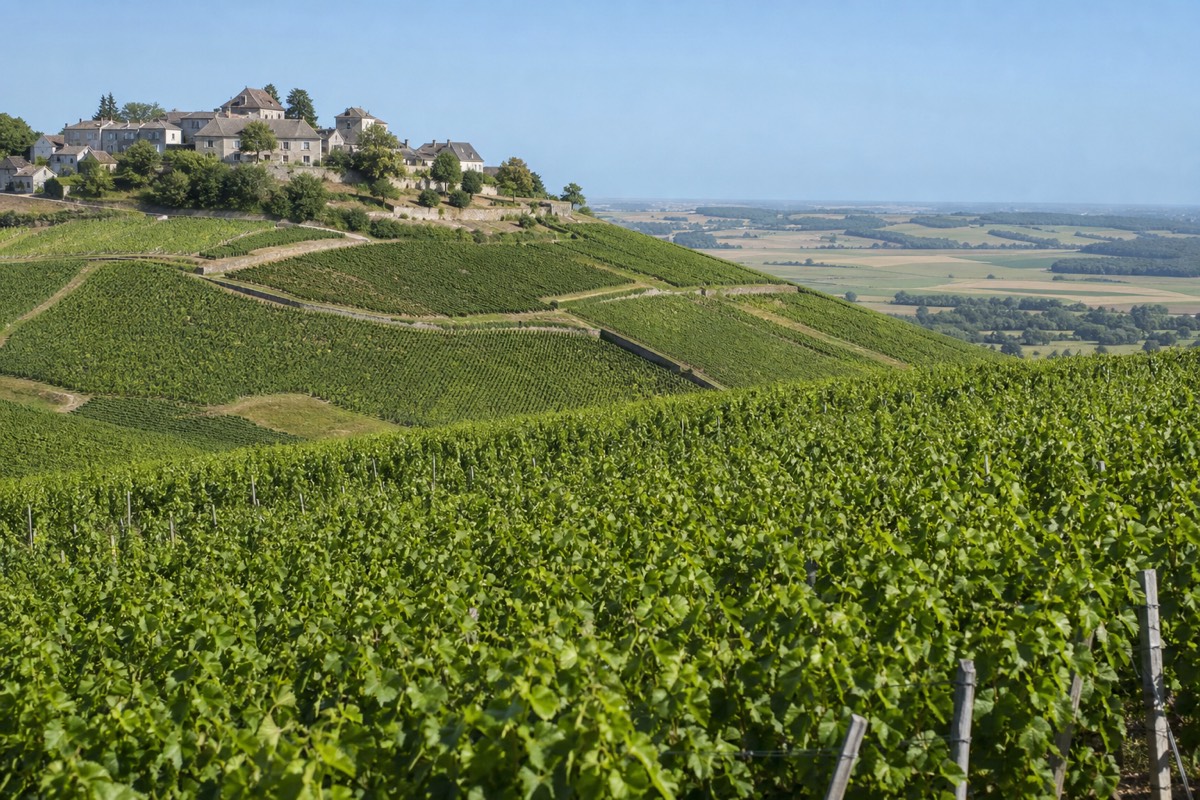
The name on the bottle is a place, not a grape, which trips up newcomers. Sancerre is an appellation, a protected zone of vineyards spread across the town and a ring of villages, and the rules there tie white Sancerre to Sauvignon Blanc alone. That single-grape focus is why the wines are so recognisable: cool climate, chalky and flinty ground, and a grape that shows its site clearly. To see where it sits in the bigger picture, our overview of where Sancerre sits among the Loire's regions places it against Vouvray, Chinon and the rest.
| Attribute | Detail |
|---|---|
| Region | Centre-Loire, the eastern end of the Loire wine world |
| Nearest town | Sancerre, a fortified hilltop town |
| White grape | Sauvignon Blanc, the majority of production |
| Red and rose grape | Pinot Noir |
| Signature style | Dry, high-acid, mineral white |
What grapes go into Sancerre?
White Sancerre is always Sauvignon Blanc, and it makes up the large majority of the appellation. The rest is Pinot Noir, turned into a delicate rose or a light, red-fruited red. There is no other grape allowed, which is unusual for France and part of why Sancerre tastes so consistent from producer to producer.
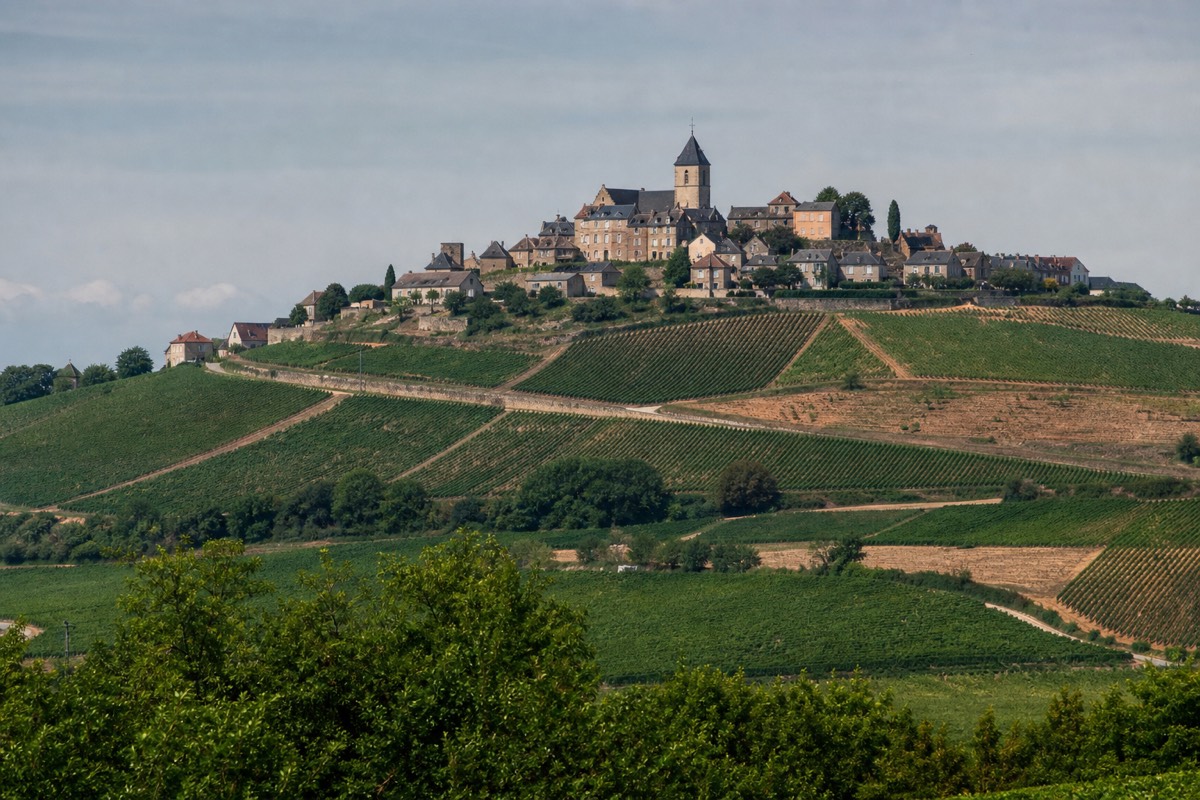
Most drinkers never meet red Sancerre, because so little leaves the region and the whites dominate exports. That is a small shame. Sancerre rouge, from Pinot Noir on the same limestone slopes, is light and cool-climate, closer to a village red from further east than to anything Mediterranean. The rose is prettier still, dry and pale, a summer wine that locals drink far more than tourists do. If you are curious how Sauvignon Blanc here compares with the same grape across the river and in Touraine, the Loire's most famous wines puts it in context.
| Grape | What it makes | Share of the appellation | Character |
|---|---|---|---|
| Sauvignon Blanc | Dry white Sancerre | The large majority | Citrus, gooseberry, flint, high acid |
| Pinot Noir (rose) | Dry pale rose | Small | Red berries, delicate, crisp |
| Pinot Noir (red) | Light red Sancerre | Small | Cherry, earth, gentle tannin |
What does Sancerre taste like?
Classic white Sancerre is dry and taut, with aromas of lemon and lime, cut grass and gooseberry, and a stony, almost gunflint edge. The acidity is high and refreshing, the body light to medium, and the finish clean rather than fruity. Serve it well chilled. Rose and red versions are lighter and more delicate than most drinkers expect.
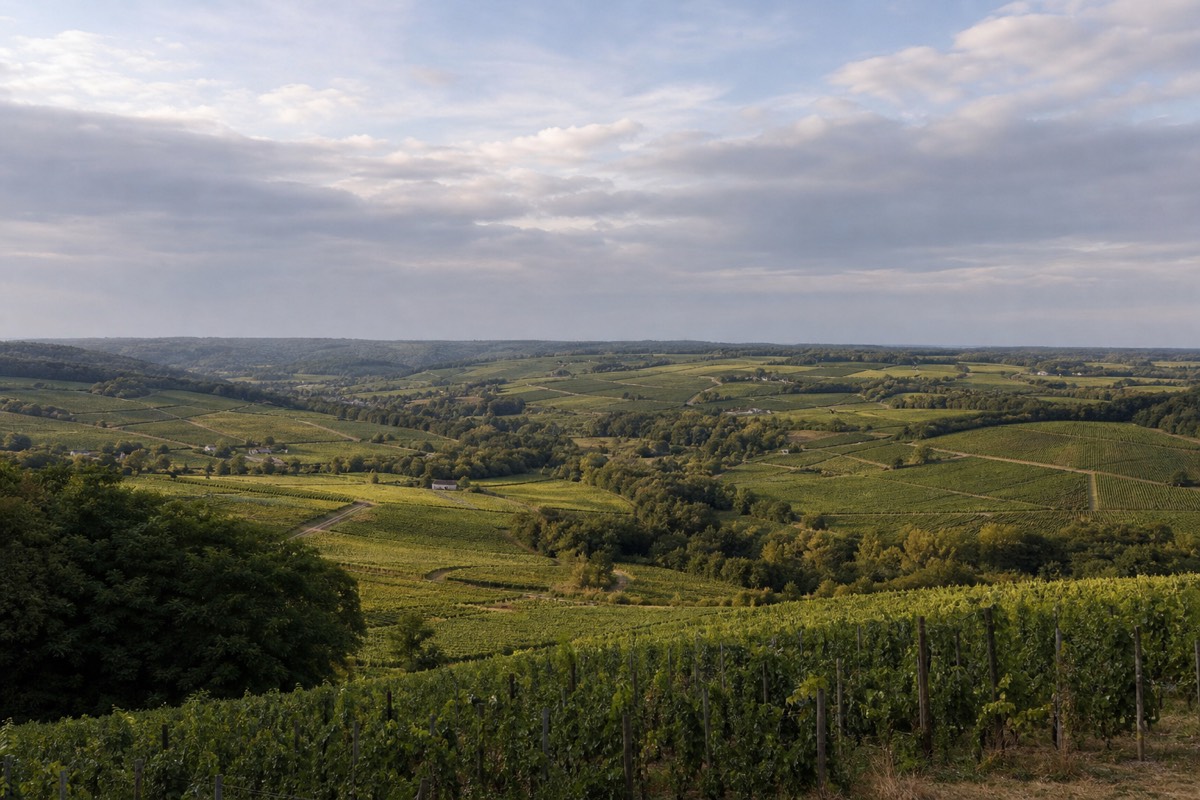
What sets Sancerre apart from a warm-climate Sauvignon Blanc is restraint. There is little of the tropical, passionfruit exuberance you find further south; instead the fruit is green and citrusy, framed by that mineral tension. Good bottles feel like they have swallowed a river pebble. Because the acidity is so lively, temperature matters: too warm and it turns flabby, properly cold and it snaps back into focus. The tasting notes below are a rough map for the three colours the appellation makes.
| Style | Aromas | Body | Serve at |
|---|---|---|---|
| White | Lemon, gooseberry, flint, cut grass | Light to medium, high acid | 8 to 10C |
| Rose | Redcurrant, citrus, subtle spice | Light, dry | 8 to 10C |
| Red | Cherry, wild strawberry, earth | Light, gentle tannin | 13 to 15C, lightly chilled |
Learning to read those markers pays off everywhere in the valley, not just here; our walk-through of how a Loire tasting works covers the mechanics of a cellar visit if you are new to it.
How does Sancerre compare with other Sauvignon Blanc?
Sancerre sits at the mineral, restrained end of the Sauvignon Blanc spectrum. Next to a New Zealand Marlborough it is quieter and flintier, with less of the tropical, passionfruit pungency. Next to a white Bordeaux it is leaner and rarely oaked. Even beside a Touraine Sauvignon from further west in the Loire, it carries more depth and a firmer mineral spine.
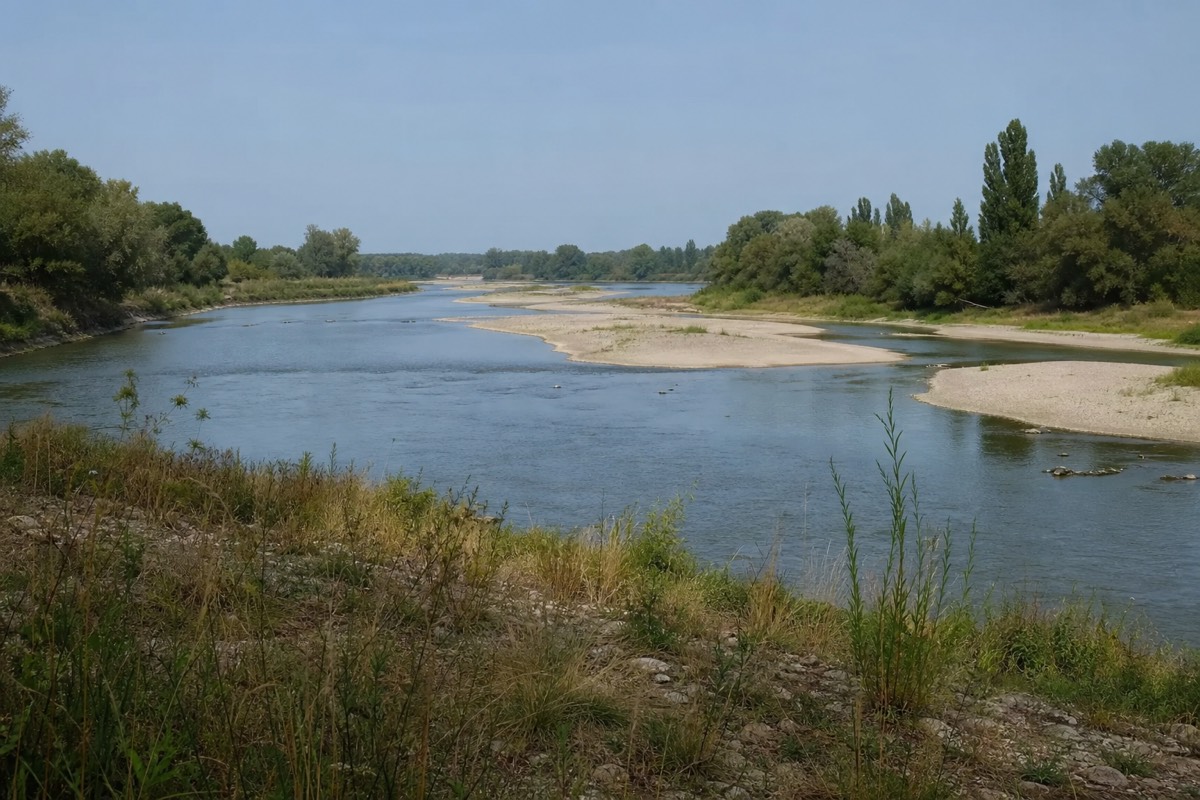
The grape is the same the world over; the place is what changes. Marlborough, in New Zealand, made its name on loud, exuberant Sauvignon Blanc, all passionfruit and fresh-cut herb, riper and more openly fruity than anything from the upper Loire. Sancerre answers with restraint: green citrus, a stony core, and acidity that feels like a drawn bowstring. White Bordeaux, further south, often blends Sauvignon with Sémillon and can see oak, which rounds it out and pulls it away from Sancerre's nervy transparency. The differences are not about quality, they are about intent, and tasting them side by side is the fastest way to understand what cool-climate limestone does to this grape.
Closer to home, the contrast with a simpler Touraine Sauvignon is the most instructive of all. Grown further west on lighter soils, Touraine Sauvignon is bright, easy and often excellent value, but it rarely reaches the concentration or the mineral length of a good Sancerre. That gap is exactly what you are paying for when you trade up. It also explains why so many drinkers who fall for a crisp Loire white eventually work their way east to the source, and why understanding Sancerre unlocks the rest of the region's whites rather than standing apart from them.
How do Sancerre's terroirs shape the wine?
Sancerre grows on three soil types, and each one shapes the wine. Terres blanches, a chalky Kimmeridgian marl on the higher western slopes, gives structured, age-worthy wines. Caillottes, stony limestone in the middle, gives floral, early-drinking bottles. Silex, flint nearer the river, gives the smokiest, most mineral style. Most wines blend across them, but the pattern is real.
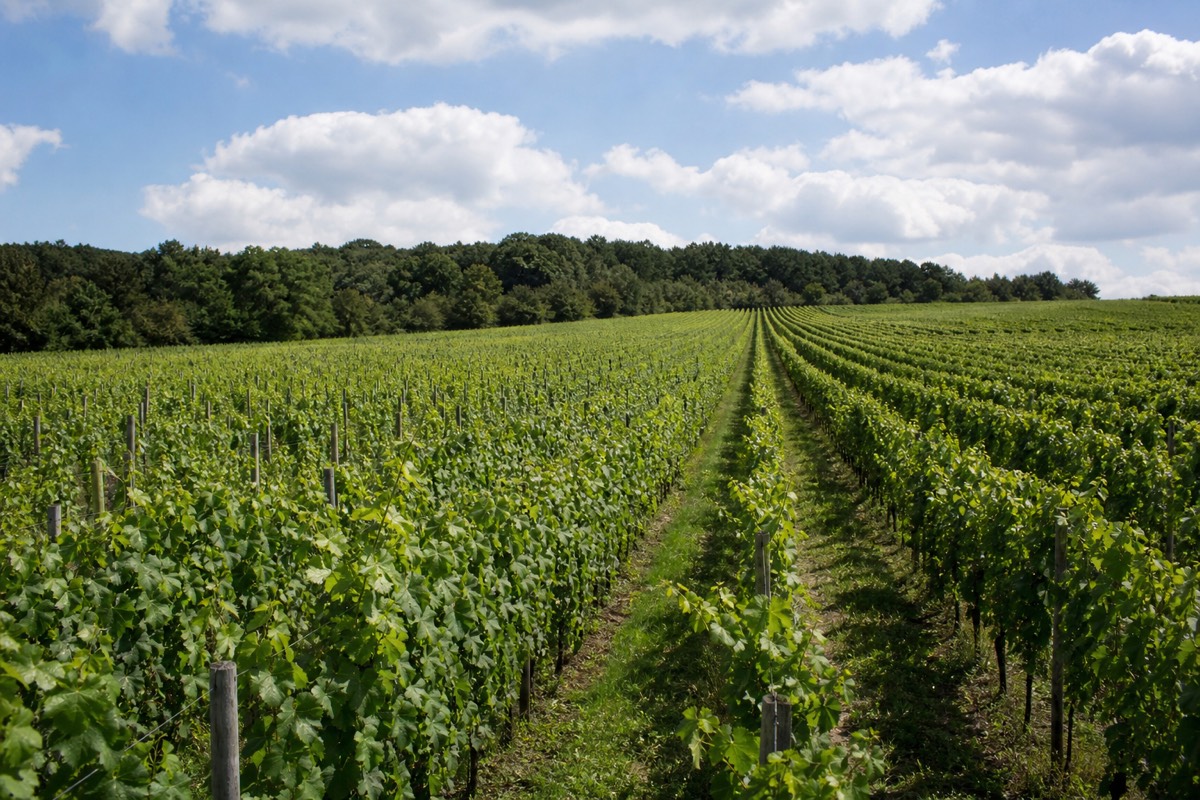
Growers here treat soil the way Burgundians do, as the thing that makes one slope different from the next. The marl-heavy terres blanches hold water and ripen a touch later, which builds the wines that reward a few years in the bottle. Caillottes drain fast and warm quickly, so the fruit is more forward and perfumed. Silex, the flint that also names Pouilly-Fume across the water, is what gives that gunsmoke snap so many people chase in a glass of Sancerre. The cross-section below simplifies a messy reality, but the west-to-east drift toward the river is the useful takeaway.
| Soil | French name | In the glass | Where on the slope |
|---|---|---|---|
| Kimmeridgian marl | Terres blanches | Structured, slower, built to age | Higher, western slopes |
| Stony limestone | Caillottes | Floral, aromatic, early to drink | Mid slopes |
| Flint | Silex | Smoky, tense, sharply mineral | Eastern slopes near the river |
What are the villages of Sancerre, from Chavignol to Bue?
The appellation spreads across the hilltop town and a ring of wine villages. Chavignol is the most famous, as much for its Crottin goat cheese as its wine. Bue, Verdigny and Menetreol are the other names to know. Each village leans on a slightly different mix of the three soils, which is why growers describe their wine by hamlet, not just by Sancerre.
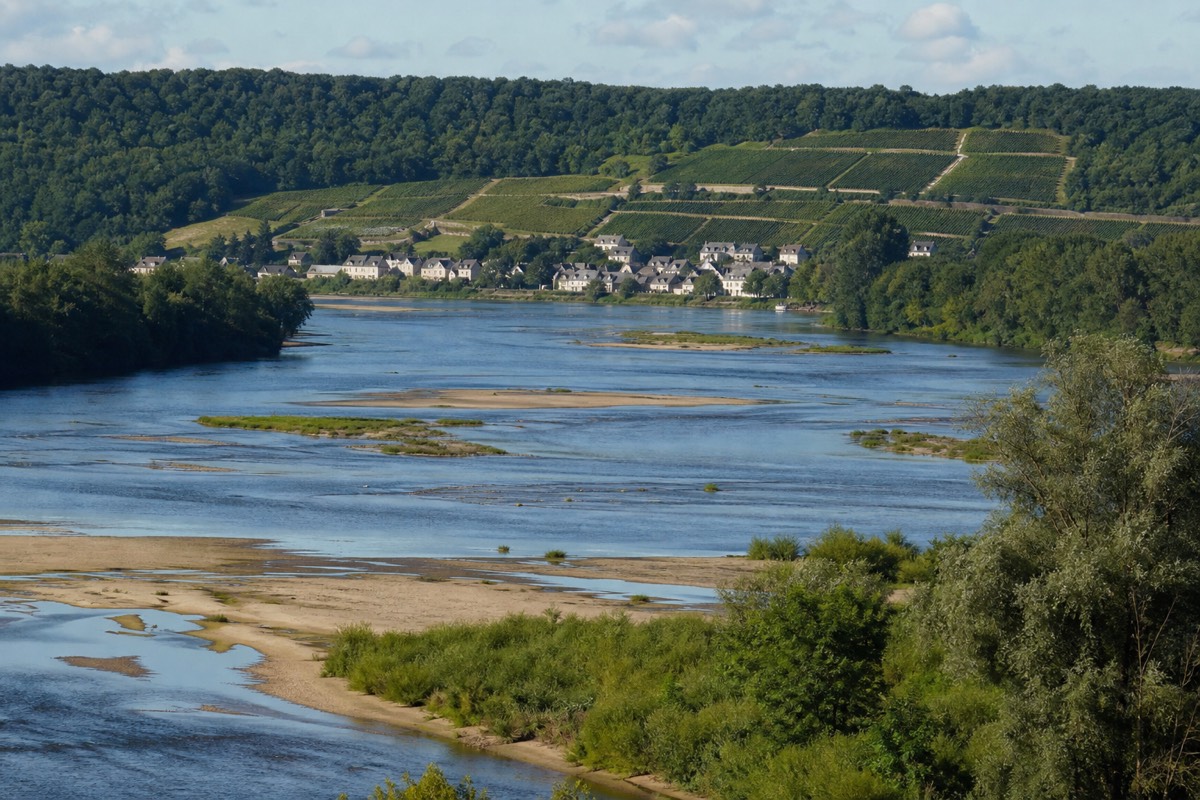
Chavignol is the pairing that writes itself. The village gives its name to Crottin de Chavignol, a small, firm goat cheese with its own protected status, and a young Crottin with a cold glass of local Sauvignon Blanc is one of the great regional matches in France. Bue, tucked into a valley south of the town, is prized for caillottes-driven wines of real perfume. The town of Sancerre itself, perched on its hill with long views over the vineyards, is the natural base for a visit and the place to taste across several villages in an afternoon.
| Village | Known for | Note |
|---|---|---|
| Sancerre town | Hilltop views, tasting rooms | The natural base for a visit |
| Chavignol | Crottin goat cheese and fine wine | Its own cheese appellation |
| Bue | Perfumed, caillottes-driven whites | South of the town |
| Verdigny | A spread of all three soils | North of Sancerre |
| Menetreol-sous-Sancerre | Vineyards toward the river | Closer to the flint |
How does Pouilly-Fume across the river differ?
Pouilly-Fume is Sancerre's neighbour on the opposite, eastern bank of the Loire, and it also makes dry Sauvignon Blanc. The main difference is soil-driven: Pouilly-Fume sits on more flint, so it tends to show a smokier, more mineral edge, the fume, or smoke, in its name. It makes only white wine, with no rose or red under the appellation.
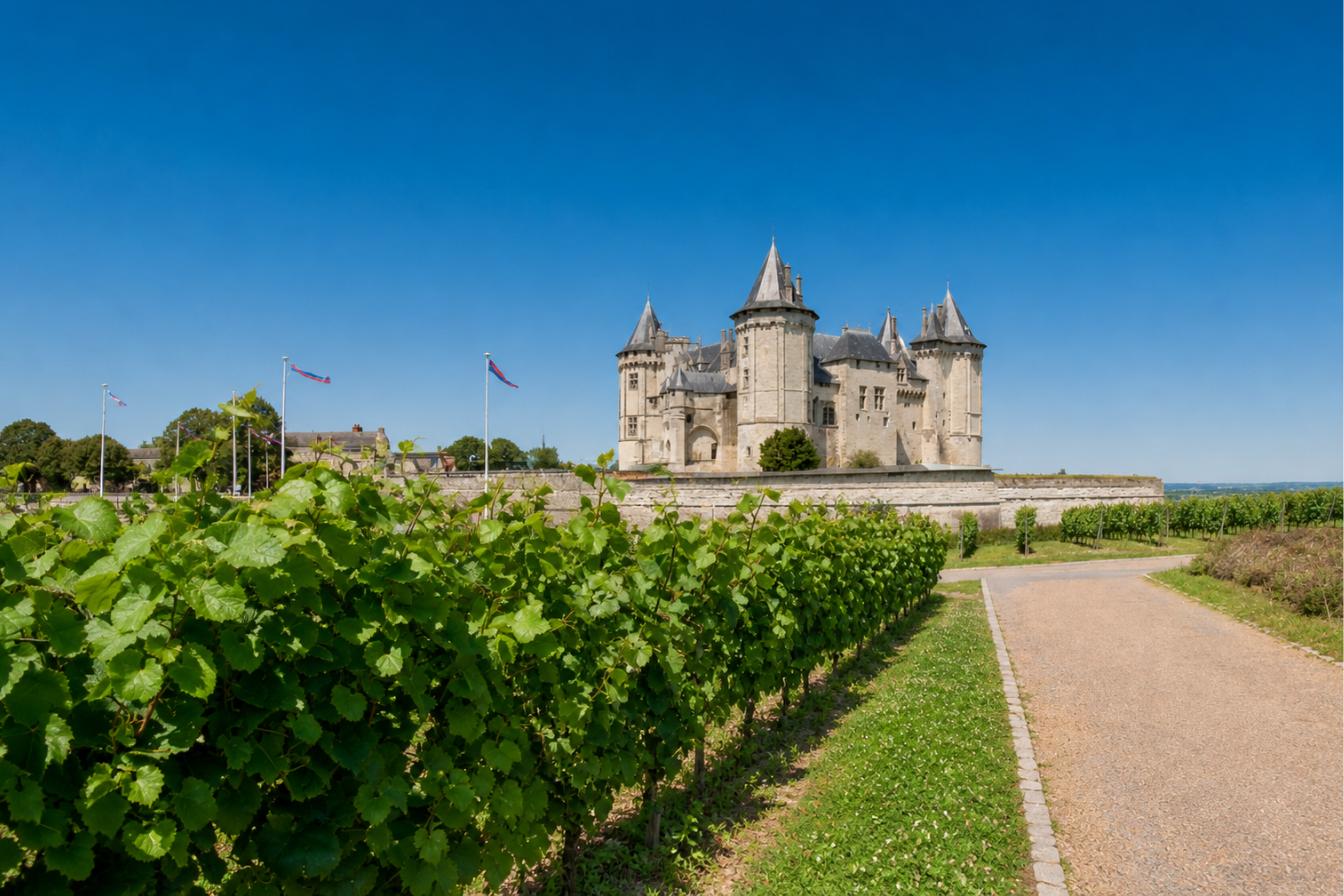
Side by side, the two are close cousins with a family resemblance and a subtle argument between them. Sancerre spans a wider range of styles thanks to its three soils and its splashes of Pinot Noir. Pouilly-Fume is narrower and, at its best, flintier and more austere in youth. Blind, even seasoned tasters can mistake one for the other, which tells you how much they share. If you make it this far east, tasting both across an afternoon is the obvious move, and the contrast teaches the palate more than either does alone.
Getting from one to the other is easy on the ground, once you are out east: the town of Pouilly-sur-Loire sits just across the water, a few minutes by road over the river. Growers on the Sancerre side may also tend parcels of Pinot Noir, which the Pouilly-Fumé rules do not allow, so the two places differ in what they are permitted to make as well as in how they taste. For a visitor, the reward is variety in a small space. A single afternoon can take in a flinty Pouilly-Fumé, a structured Sancerre off the marl, and a perfumed one off the caillottes, all within a short drive.
What pairs with Sancerre?
Sancerre is a food wine built for sharp, salty, fresh flavours. Goat cheese is the classic match, above all Crottin de Chavignol from its home village. Oysters and other raw shellfish love its acidity, as do grilled white fish, green vegetables like asparagus, and herby chicken. Its cut also handles a squeeze of citrus or a vinaigrette that would flatten a softer white.
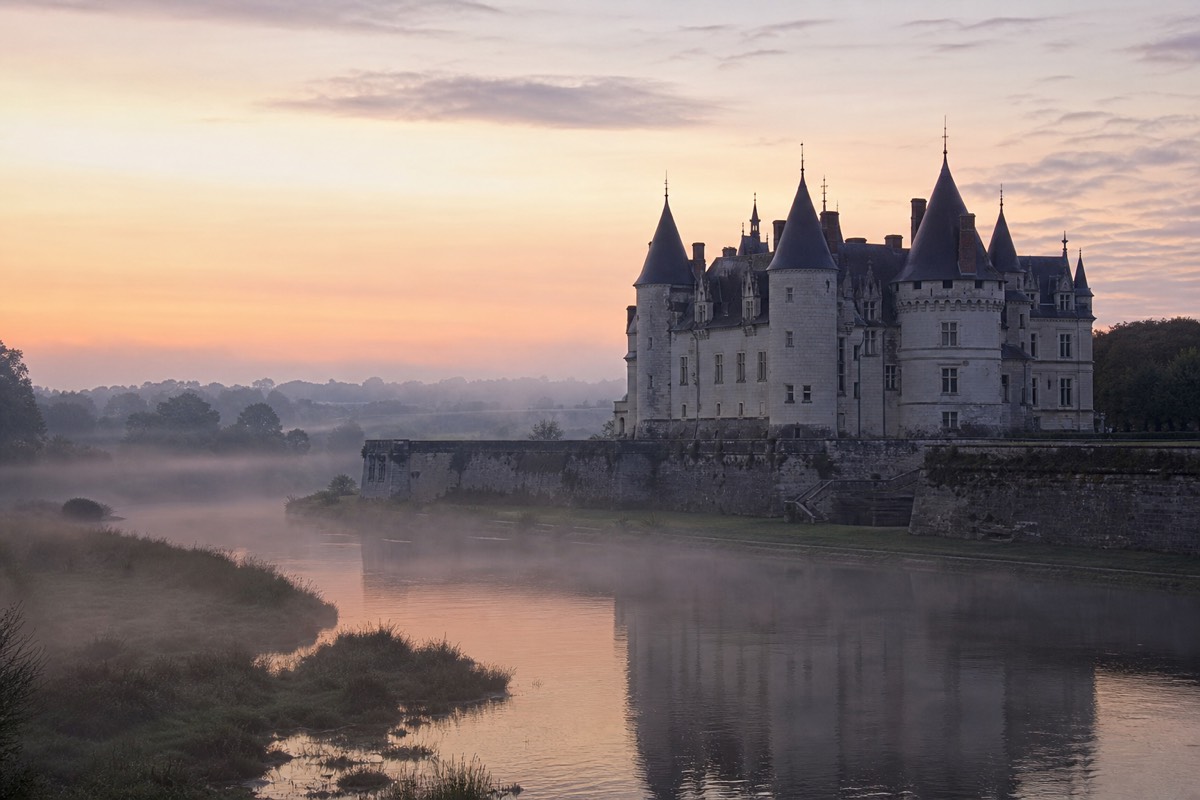
The logic is simple: high acid loves fat, salt and freshness. That is why a briny oyster and a cold Sancerre feel inevitable, and why the local pairing of young goat cheese with local Sauvignon Blanc has lasted generations. Push it a little and it holds up to sushi, to a lemony roast chicken, even to a Thai salad where the citrus and herbs echo the wine. The one thing to avoid is anything heavy and creamy that smothers the wine's nervy edge.
| Dish | Why it works |
|---|---|
| Crottin de Chavignol goat cheese | The classic local match, acid against tangy cheese |
| Oysters and raw shellfish | Brine and citrus mirror each other |
| Grilled white fish | Clean flavours, no clash with the minerality |
| Asparagus and green vegetables | Sauvignon Blanc is one of the few wines that copes with them |
| Lemony roast chicken | Herbs and citrus pick up the wine's aromatics |
Can you visit Sancerre on a Loire wine trip?
You can, but be honest about the geography. Sancerre sits at the far eastern end of the Loire, roughly two hours by road from the castle cluster around Tours and Amboise where most wine trips are based. It rewards a dedicated day or an eastern loop, rather than a quick add-on. It also lies east of the officially protected central Loire, so it is a detour, not a doorstep.
That distance is the honest catch. The famous castles, the tuffeau cellars and the organised tours all concentrate in Touraine, well to the west. Sancerre is a different world at the other end of the river, closer to Burgundy in feel than to Chenonceau. The stretch of the valley with the great castles is the part inscribed as a UNESCO World Heritage site, running through the middle Loire; Sancerre lies upstream of it, to the east. The appellation rules and boundaries are set out by the official Vins de Loire body if you want the technical detail.
| From | Rough distance to Sancerre | Realistic for a short trip? |
|---|---|---|
| Tours or Amboise | About 2 hours by road | Only as a dedicated day |
| Paris | About 2 to 2.5 hours by road | A long day trip, or an eastern base |
| Central Loire castles | Well east of the main cluster | A separate loop, not an add-on |
So what should you do if you love the style but your trip is anchored around the castles? Taste the Loire's other great whites where you are. A morning in the tuffeau cellars, such as a morning tasting through two Vouvray estates, shows off Chenin Blanc rather than Sauvignon, while a vineyard picnic near Chinon puts Cabernet Franc in front of you. For an underground contrast, a cellar tasting beneath Amboise pairs history with a guided flight. If Sancerre itself is a must, plan an itinerary that reaches the eastern Loire and give it the day it deserves. Whichever way you go, Loire Valley Wine Tours can line up the tastings so the wine, not the driving, stays the point, and cellars worth visiting further west fill out the rest. Timing helps too: the best months to go apply to Sancerre as much as to the castles.