Best Time to Visit the Loire Valley for Wine (2026)
When to come for the wine, month by month: the September harvest, the quiet value of winter cellars, the hot summer peak, and why May, June and September keep coming up as the sweet spot.
Stand in a Vouvray cellar in late September and you can hear the harvest before you see it: crates thudding, a tractor idling, someone shouting a row number across the vines. Come back in January and the same cellar is silent, the vineyard bare, the tasting just as good and with the same tasting focus. The Loire changes character month by month, and the right time to visit depends entirely on what you want from it. This guide walks the whole year for a wine trip, the weather, the harvest, the crowds and what is actually open, so you can pick your 2026 dates with your eyes open. For the record, the same seasons that make the region's best-selling tours worth booking, laid out on the Loire Valley Wine Tours homepage, are the ones this guide keeps coming back to.
Budget note: prices in this guide are planning examples from the original article, not current quotes. Compare the selected provider’s date and option before relying on a figure. A private-château lunch does not make the shared tour private.
Choose the experience for the season, then check the actual date rather than assuming it runs.
Booking choice: Vouvray Wine And Food Morning suits a Tours departure. Allow 3.5 hours and compare the included transport before arranging other stops.
Explore Vouvray Wine And Food MorningA month-by-month read on the wine year
Our read on the wine year, balancing weather, vineyard activity, crowds and what is open. Harvest timing shifts a little each year with the weather.
When is the best time to visit the Loire Valley for wine?
For wine, aim for late spring or early autumn. May and June bring mild days, flowering vines and full château gardens, while September into early October delivers harvest energy, warm afternoons and the buzz of a new vintage. Both sit either side of the hot, crowded July and August peak.
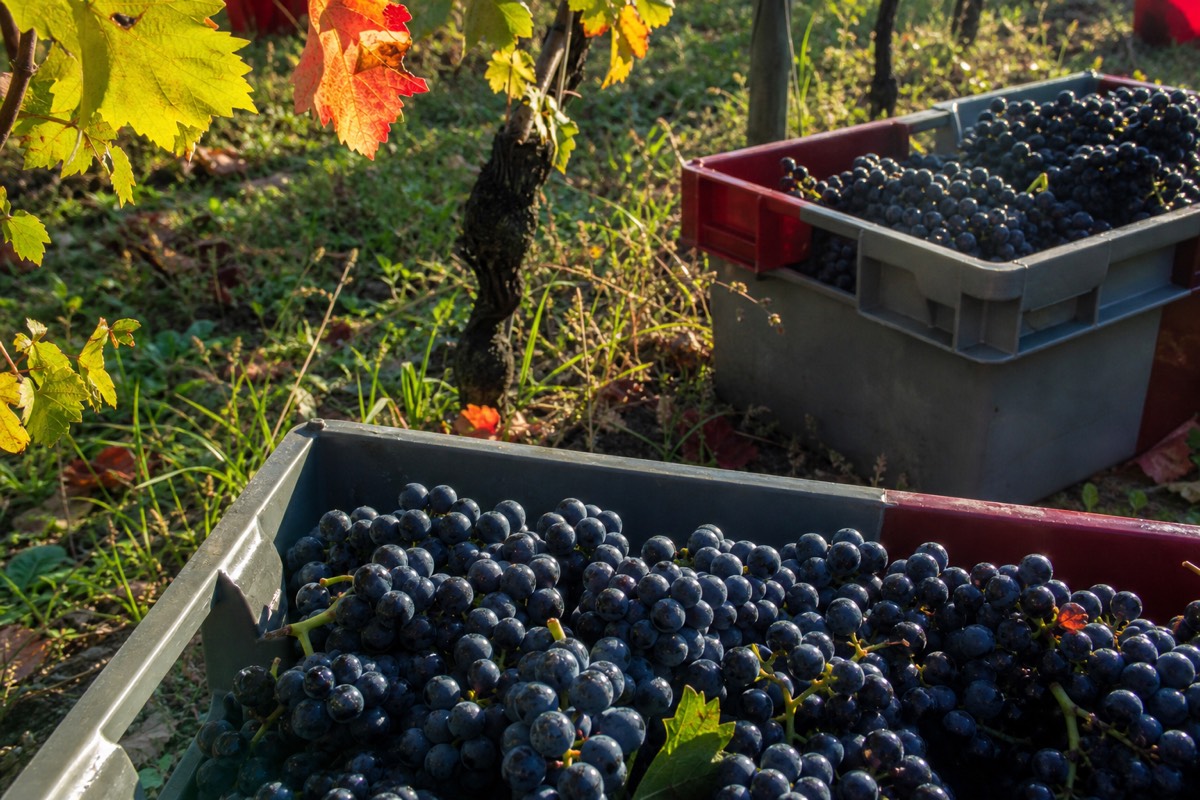
That is the short answer, and it holds for most travellers. Late spring gives you the prettiest vineyards of the year and long daylight for driving between stops, without the summer heat or the summer queues. Early autumn trades the flowers for the harvest, which is the single most atmospheric time to be among the vines, and the crowds thin as the school holidays end. Either window pairs naturally with a two or three-day plan, which is why they turn up again in our Loire wine itinerary routes.
None of this makes the other months bad. It makes them different. Summer is warm and lively, winter is quiet and cheap, and both have real advantages covered further down. If your dates are fixed by work or school, the honest news is that a Loire wine trip works in any month; you just tune what you do to the season. If you are also still deciding how many days you need, settle the length first, then the month.
What is the Loire wine harvest window, and is it worth seeing?
The Loire harvest, the vendange, usually runs from mid September into October. Sparkling base wines and early Sauvignon Blanc come in first, Cabernet Franc reds follow late in September, and the sweet Chenin Blanc of Vouvray can hang on the vine well into October, occasionally November.
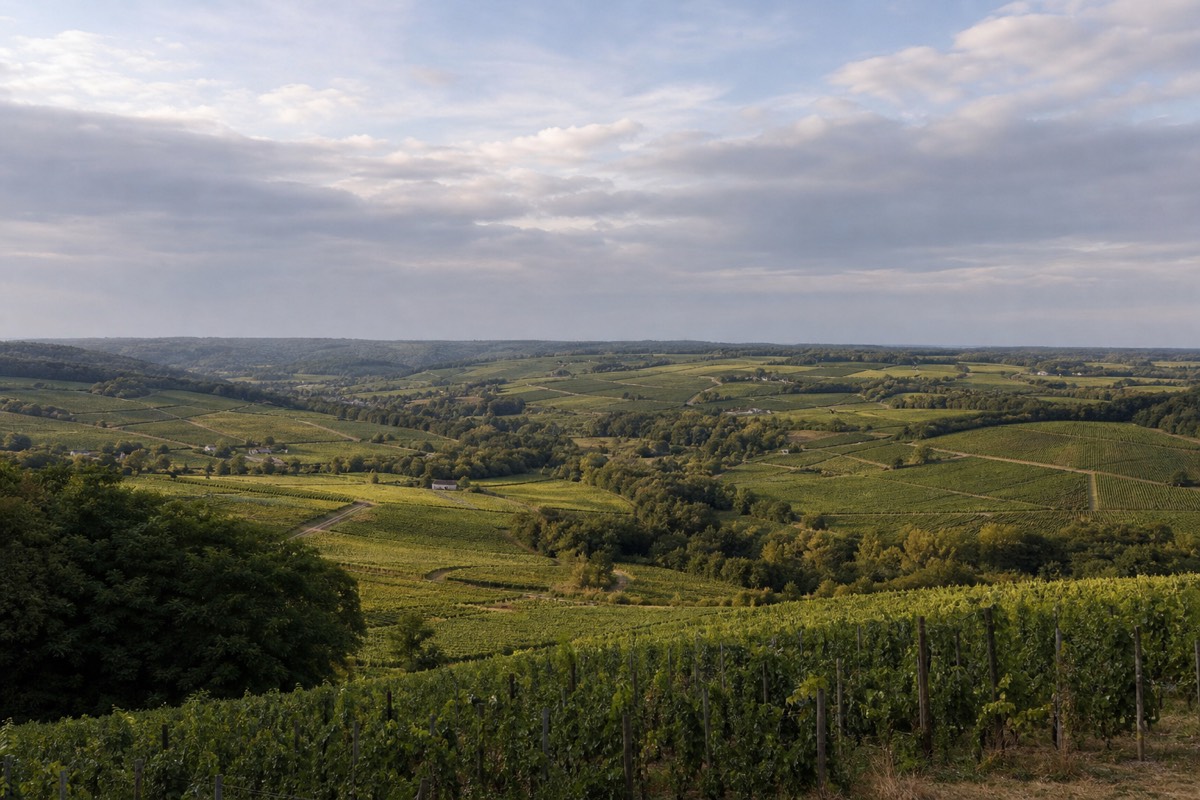
Harvest is worth seeing, with one caveat. The energy is unmatched: pickers in the rows, presses running, cellars smelling of fermenting must, winemakers happy to talk once the day's fruit is in. The caveat is that those same winemakers are flat out, so this is the worst time to expect a leisurely walk-in. Book every estate visit ahead, and be ready for a tasting to be squeezed around the picking. The exact dates move each year with the weather; the official body, Vins de Loire, is the place to sanity-check timing close to your trip.
The order of picking follows the wines. Grapes for sparkling and the crisp Sauvignons come in first, when acidity is still high. Cabernet Franc for the Chinon and Bourgueil reds needs more hang time and lands late September into October. The dry Chenin of Vouvray and Saumur follows, and the great sweet Chenin, the moelleux, waits longest of all for noble rot to concentrate the sugar, sometimes into November. If those grape names are a blur, the primer on the Loire's appellations and grapes untangles them, and Sauvignon lovers will want the dedicated notes on visiting Sancerre.
| Wine or grape | Typical pick window | Where |
|---|---|---|
| Sparkling base (Crémant, Vouvray brut) | Early to mid September | Vouvray, Saumur |
| Sauvignon Blanc | Mid September | Sancerre, Pouilly-Fumé, Touraine |
| Cabernet Franc reds | Late September into early October | Chinon, Bourgueil, Saumur |
| Dry Chenin Blanc | Late September into October | Vouvray, Saumur, Anjou |
| Sweet Chenin (moelleux) | October, sometimes November | Vouvray, Coteaux du Layon |
What's the weather like month by month in the Loire?
The Loire has a mild, changeable climate. Typical daytime highs climb from around 13°C in March to the mid twenties in July and August, then ease back through a comfortable low twenties in September. Rain is possible in any month, so a light waterproof layer earns its place year round.
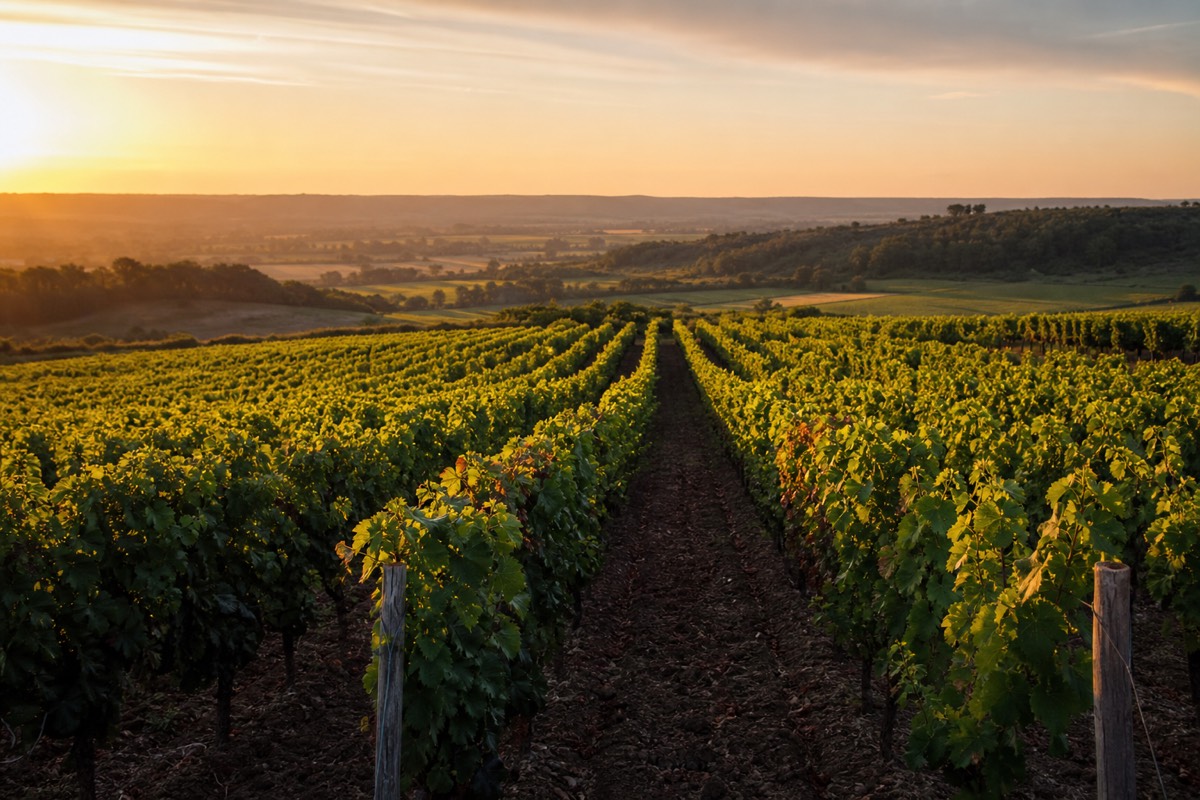
The scorecard below is the heart of this guide. It reads across five things that actually shape a wine day, the weather, the state of the vines, how busy it feels, how easy tastings and estates are to arrange, and whether the harvest is on. Read it as a planning tool, not a forecast: the temperatures are typical daytime highs for the Tours area, and any given week can run warmer or wetter. What does not change much is the shape of the year, a green build to a warm, busy peak, a golden harvest, then a quiet, dormant winter.
| Month | Typical high | Vineyard state | Crowds | Tastings and estates | Harvest |
|---|---|---|---|---|---|
| January | about 8°C | Bare, pruning | Very low | Cellars open; small estates by appointment | None |
| February | about 9°C | Bare, pruning | Very low | As January | None |
| March | about 13°C | Budburst begins | Low | Reopening, easy to book | None |
| April | about 16°C | Green shoots | Low to moderate | Good availability | None |
| May | about 20°C | Flowering, lush | Moderate | Full swing, gardens open | None |
| June | about 23°C | Full canopy | Moderate | Excellent | None |
| July | about 26°C | Fruit set, warm | High | Busy, book ahead | None |
| August | about 26°C | Ripening | High | Busy; some estates on holiday | Late-month starts |
| September | about 22°C | Harvest | Moderate | Lively, harvest energy | Main harvest |
| October | about 17°C | Harvest ends, colour | Low to moderate | Good; winemakers busy | Late harvest |
| November | about 11°C | Leaf fall | Low | Quieter, some reduced hours | Sweet-wine finish |
| December | about 8°C | Dormant | Low; Christmas at châteaux | Cellars open; château displays | None |
Why do May, June and September stand out for a wine trip?
May, June and September win on balance, not on any single measure. Late spring gives you flowering vines, peak gardens and long light with only moderate crowds. September trades the flowers for harvest activity, new-vintage tastings and thinning visitor numbers, while keeping warm, settled afternoons.
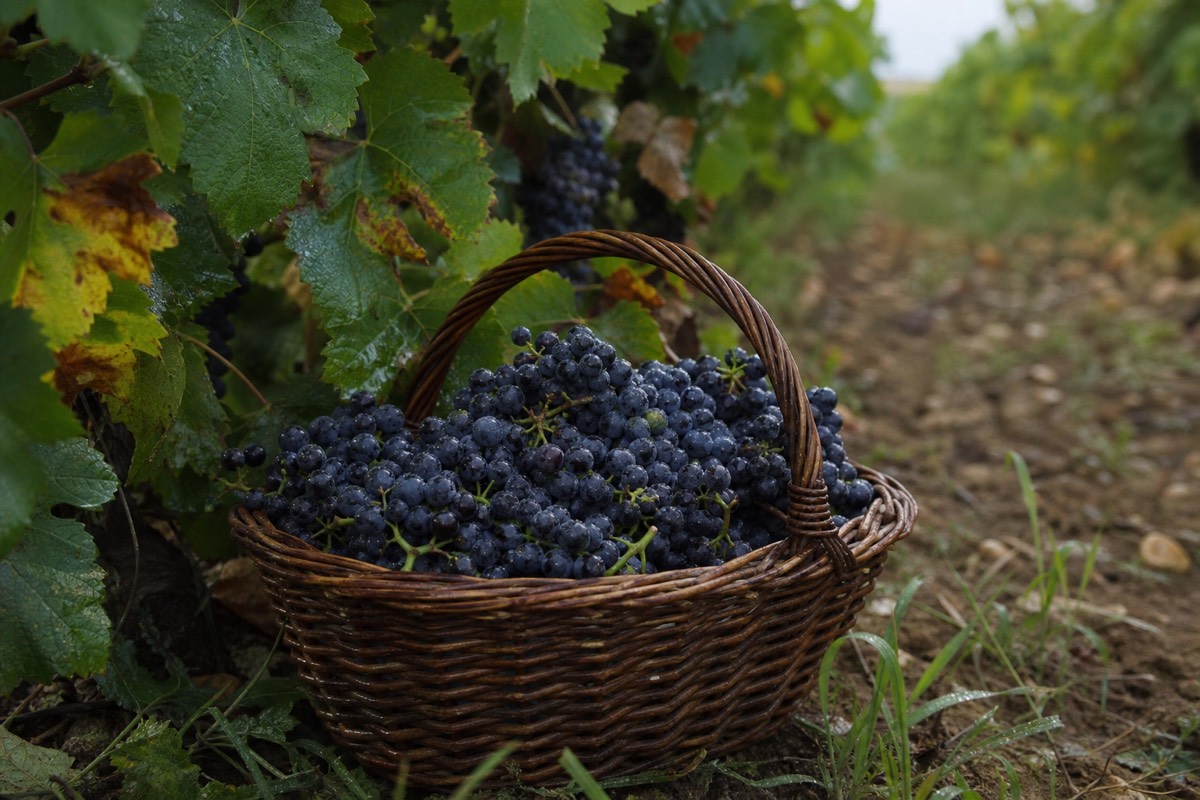
Spring is the gardener's season. The formal gardens that make the châteaux so photogenic are at their fullest in May and June, and the vineyards are green and flowering rather than dusty and tired. The floral displays at Château de Chenonceau are a reason in themselves to time a spring visit, and long daylight makes the drives between stops a pleasure. This is the window to lean on if scenery and comfort matter more to you than the harvest, and it pairs well with working out which château to visit first.
September is the wine lover's season. The days are still warm, the crowds have eased with the end of the summer holidays, and the harvest gives every cellar visit a live, working edge. Tastings often include the previous vintage fresh from barrel, and conversation with winemakers is richer when the year's fruit is on their minds. The comparison below sets the two shoulder windows against the summer peak and the quiet winter, so you can see the trade-offs at a glance.
| Window | Weather | Crowds | Prices | Tasting scene | Best for |
|---|---|---|---|---|---|
| Shoulder (May to Jun, Sep to early Oct) | Mild to warm | Moderate | Mid | At its best | Overall balance |
| Peak (Jul to Aug) | Warm to hot | High | Highest | Busy | Long days, gardens |
| Winter (Nov to Mar) | Cool to cold | Low | Lowest | Cellars open, fewer estates | Quiet and value |
Is summer (July and August) a good time for Loire wine tours?
July and August are the warmest and busiest months. Gardens look their fullest, evenings are long, with many tours scheduled, but afternoons can push past 30°C, popular châteaux fill by mid morning, and some family estates close for a summer holiday. Book ahead and start early.
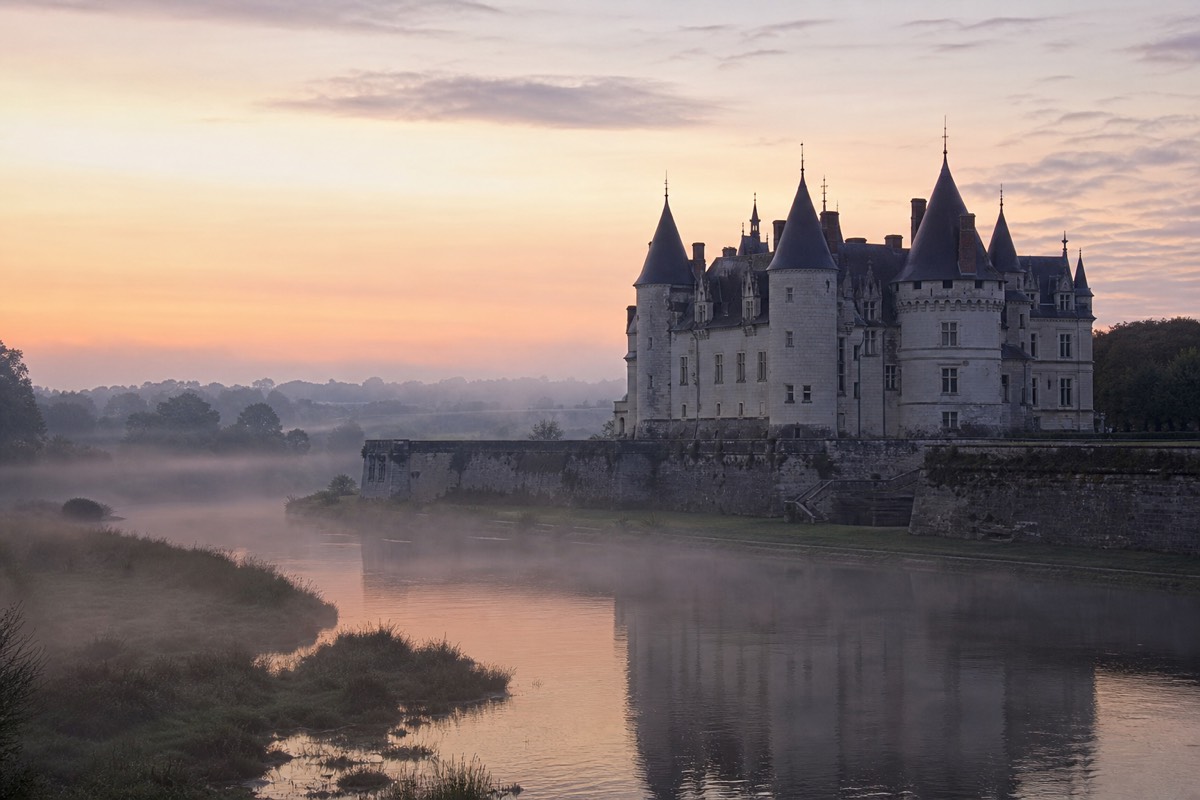
Summer is not the wine purist's first pick, but it is the easiest time to travel with others, and for many people the calendar decides it anyway. The trick is to work with the heat rather than against it. Take the earliest departure you can, do the outdoor châteaux and vineyard walks in the cool of the morning, and keep the afternoon for cellars, which stay cool whatever the sun is doing. A morning start is exactly the shape of the morning Vouvray food-and-wine pairing, which is why it suits a hot-weather day so well.
Two practical warnings. First, August is the classic French holiday month, and a proportion of small, family-run estates simply shut for a couple of weeks, so a walk-in plan is riskier than usual; the round-up of cellars worth visiting flags the ones set up for visitors. Second, the headline châteaux are at their most crowded, so pre-booked entry and an early slot are worth the small extra effort. Manage those two things and high summer is a genuinely enjoyable, if warm, time to taste.
Can you visit the Loire's cellars and châteaux in winter?
Yes, winter works better than most people expect. A cellar holds a steady cool temperature all year, so an underground tasting feels the same in January as in July. Crowds vanish, prices soften, and the big châteaux dress up for Christmas, though some small estates keep shorter winter hours.
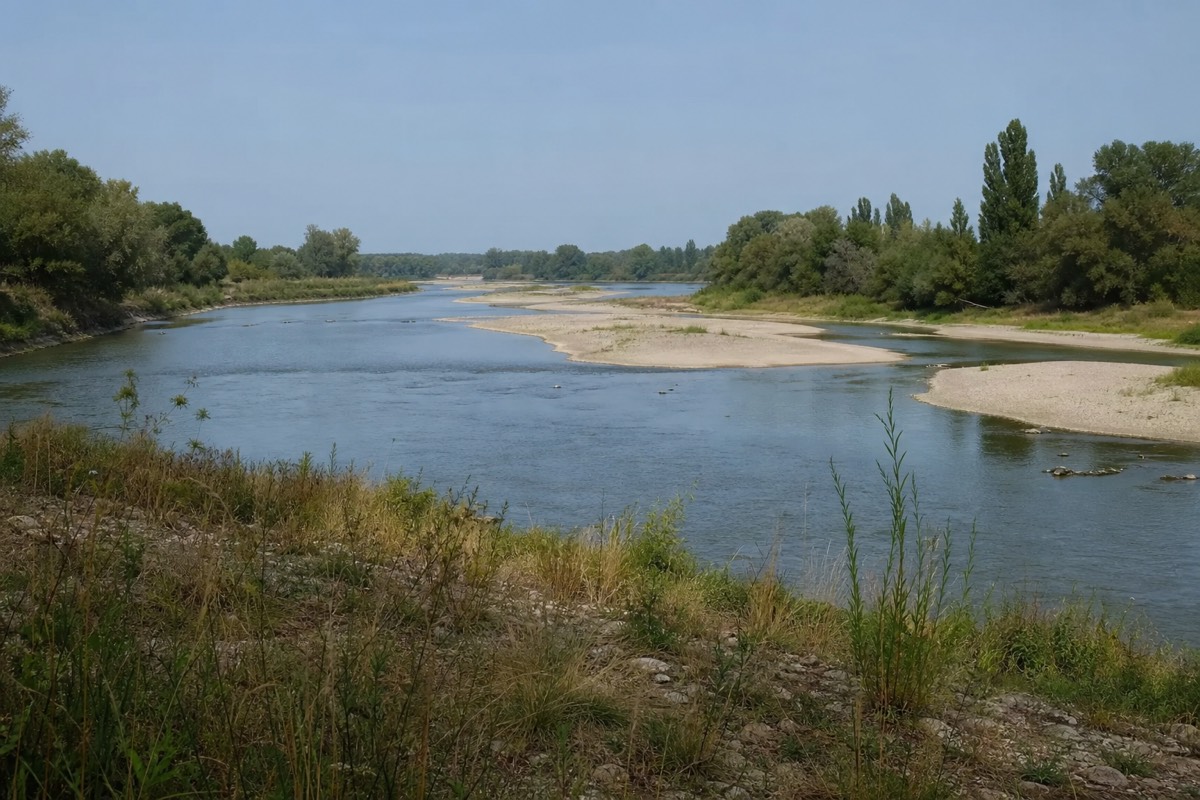
The great secret of the region is that its best tasting rooms are underground. The troglodyte cellars cut into the soft tuffeau limestone sit at a near-constant temperature all year, so the actual experience of a winter tasting, the cool air, the smell of the cellar, the wine in the glass, is barely different from summer. What changes above ground is everything else: no queues, easy bookings, and rates on rooms and tours at their lowest. The Château de Chambord and the other major castles decorate for the Christmas season, which turns a December visit into something quietly special.
The honest trade-offs are daylight and access. Days are short, gardens are dormant, and some small family wineries move to appointment-only or reduced winter hours, so a little planning replaces summer's spontaneity. The big châteaux and the established cellars stay open, and a guided day is easy to arrange with fewer departures competing for space. For anyone chasing value or solitude, winter is underrated. The what-is-open table below keeps the picture straight.
| What | Winter status |
|---|---|
| Troglodyte cellars and tastings | Open year round, constant cool temperature |
| Major châteaux (Chambord, Chenonceau, Amboise, Villandry) | Open, with Christmas displays in December |
| Small family estates | Often by appointment or on shorter hours |
| Château gardens | Dormant; structure visible, few flowers |
| Guided wine tours | Fewer scheduled departures, easy to book |
Are there real wine festivals or events to plan around?
Two fixtures are worth planning around. The September and October harvest shapes the whole autumn, and December brings elaborate Christmas displays to the major châteaux. Tours also holds a large open-air wine fair in spring; dates are set each year, so confirm the current 2026 schedule before you build a trip around it.
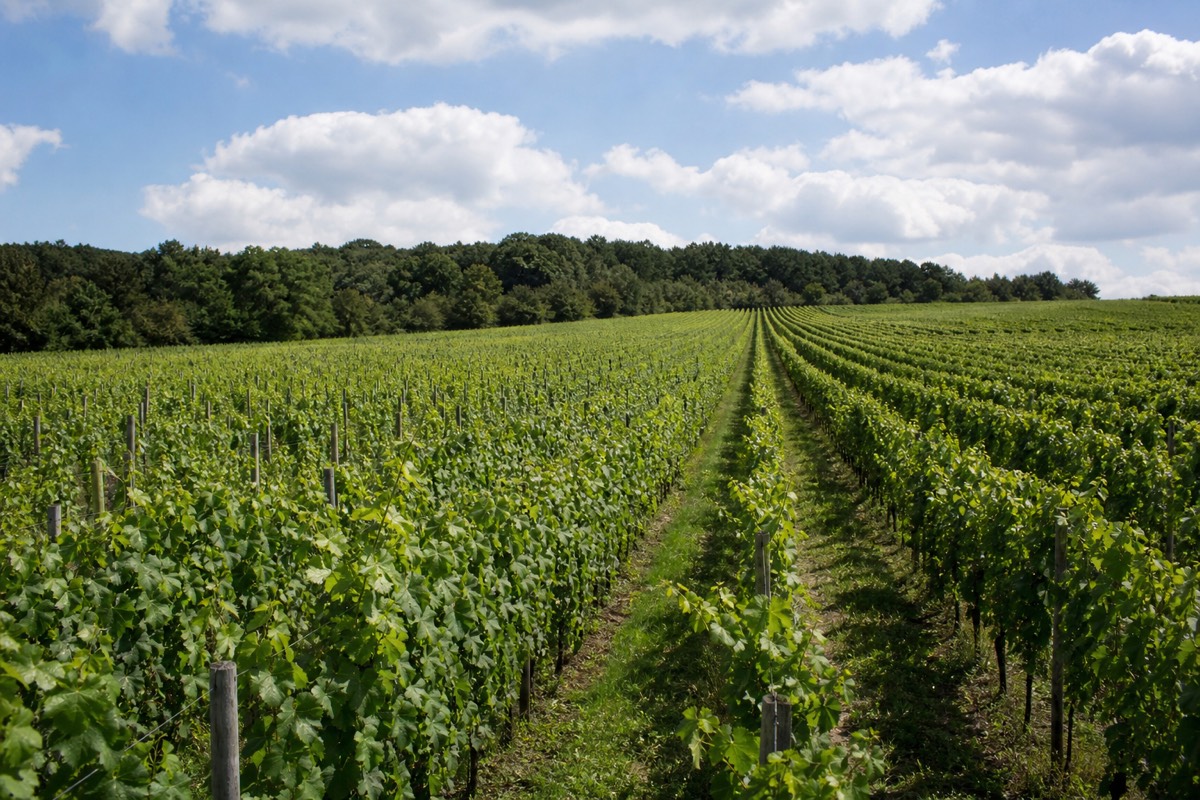
The most reliable events to anchor a trip are the seasonal ones rather than one-off festivals. Harvest is the big one, a moving target in late September and October that turns every estate into a working scene. The December château displays are the other dependable draw, decorated annually at the headline castles and easy to confirm on each château's own site. Beyond those, the city of Tours runs a well-known spring wine fair, usually in May, but because its dates and format are announced each year, treat any specific date you see as provisional until you have checked the official listing.
That caution is deliberate. It is easy to find confident-looking dates online for events that have moved or changed, so for anything ticketed, verify with the organiser or with Vins de Loire before you lock flights around it. The upside of the Loire is that its best experiences, cellar visits and tastings, run all year and need no festival at all. If you would rather not track any of this yourself, a guided day sidesteps the calendar entirely, and our take on whether the Loire is worth visiting makes the wider case.
| Season | What | Note |
|---|---|---|
| Spring (usually May) | Open-air wine fair in Tours | Dates set each year; confirm before booking |
| Sep to Oct | Grape harvest across the appellations | Estates busy; book tastings ahead |
| December | Christmas displays at the major châteaux | Chambord and Chenonceau decorate annually |
| Year round | Cellar tours and tastings | The least seasonal option of all |
How should the season shape your booking and packing?
Let the season set your logistics. For a harvest or midsummer weekend, book estates and châteaux weeks ahead and take the earliest departure you can. In the quieter months you can be far more spontaneous. Whatever the forecast, pack a warm layer, because the cellars sit near 12°C every day of the year.
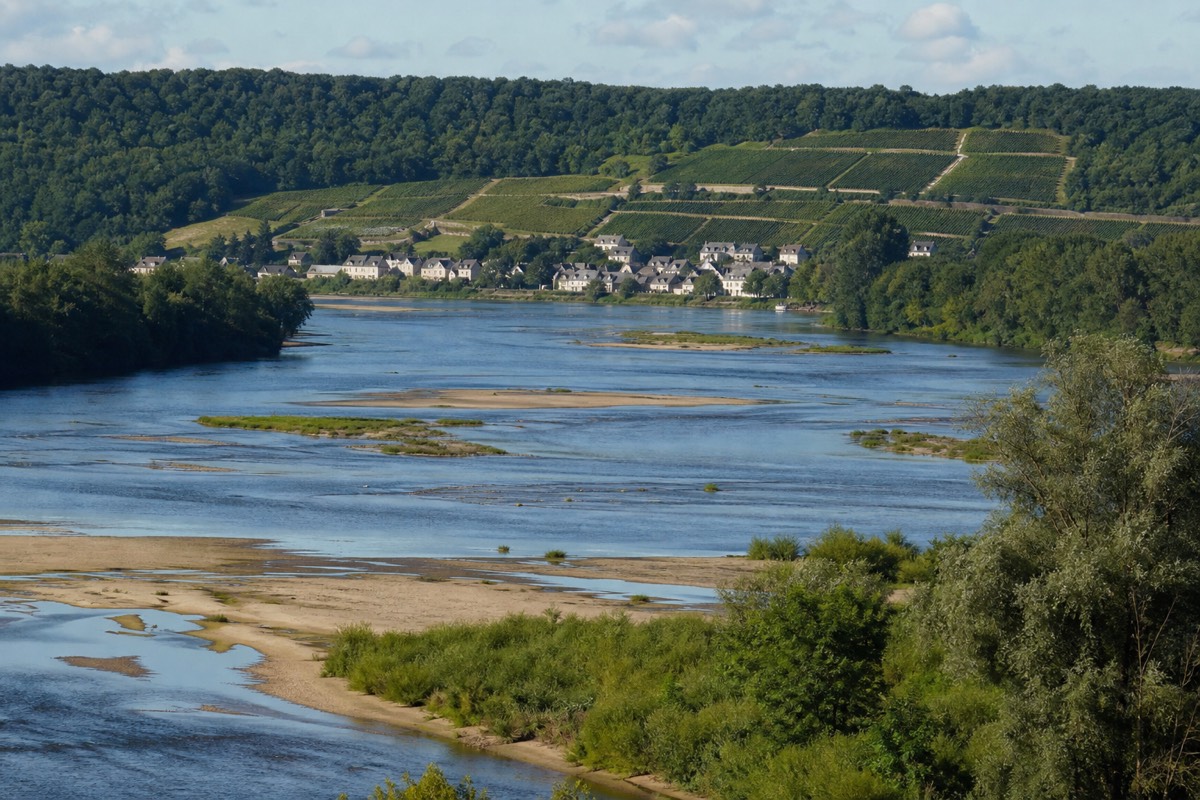
The single most useful habit is dressing for two climates at once. Above ground you might want sun cover in July or a proper coat in January, but underground the temperature barely moves, so a jacket or sweater you can add for the cellar earns its place in every season's bag. Closed, comfortable shoes matter year round too, since vineyard paths and old cellar floors are uneven. If you have never done a cellar visit, our walk-through of how tasting works covers the etiquette so nothing feels unfamiliar.
Booking rhythm follows demand. Harvest weekends and the height of summer are when estates and headline châteaux fill, so reserve well ahead and, for the popular castles, pre-book entry. Spring and autumn midweek give you more slack, and winter is close to book-as-you-go. The season table below turns all of that into a quick checklist, and travellers arriving by rail should pair it with the practicalities in getting to the Loire from Paris.
| Season | Book ahead | Departure timing | Pack |
|---|---|---|---|
| Harvest (Sep to Oct) | Weeks ahead for estates | Morning | Warm layer, closed shoes |
| Summer (Jul to Aug) | Well ahead; weekends fill | Earliest slot | Sun cover, water, a cellar layer |
| Shoulder (May to Jun) | A few days ahead | Flexible | Light layers, a rain shell |
| Winter (Nov to Mar) | Often the same week | Midday, the warmest part | Coat plus a cellar layer |
Which month is best for which kind of traveller?
Pick your month by what you care about most. Harvest chasers want late September; garden lovers, June; crowd-avoiders and budget travellers, the shoulder weeks of April, early May, late October and winter. First-timers who just want the trip to run smoothly can lean on May, June or September.
There is no universal best month, only a best month for your priorities, and naming the priority is the fastest way to a date. A couple set on the harvest should aim for the back half of September, when picking is usually in full swing yet the weather still holds. Someone travelling for the gardens and the light wants June. A visitor watching the budget, or allergic to crowds, will find April, late October and the winter months quietly rewarding, with the same cellars at lower prices.
If you are a first-timer who simply wants everything open, warm and easy, the three-way answer of May, June or September rarely disappoints, and it dovetails with choosing where to base and a fitting tour. However you weight it, a well-timed 2026 visit rewards a little forward thought, and a slower, relaxed pairing such as a vineyard picnic near Chinon or a Chenonceau river boat tour feels right in almost any of the good months.
| You care most about | Best window | Why |
|---|---|---|
| Seeing the harvest | Late September | Picking and pressing in full swing |
| Gardens and flowers | June | Villandry and Chenonceau at their peak |
| Avoiding crowds | April, late October, winter | Thin visitor numbers |
| Best value | Winter and early spring | Lowest prices, easy booking |
| A smooth first visit | May, June or September | Warm, open, and not overrun |