Is the Loire Valley Worth Visiting?
The honest case for and against a Loire Valley trip: who it suits, what makes it worth the effort, and how to plan around a valley where the best sights sit miles apart.
Yes, the Loire Valley is worth visiting if you enjoy Renaissance châteaux, easygoing wine, and gentle river scenery gathered into one trip. It rewards history lovers, wine travelers, and unhurried planners far more than nightlife seekers or anyone chasing a single blockbuster landmark. The one honest caveat: the good stuff is spread across a wide valley, so a car, a well-chosen base town, or a guided day is what makes or breaks the visit.
A focused cellar visit lets you try the region without committing every day to touring.
Booking choice: Chambord And Chenonceau With Château Lunch suits a Tours or Amboise departure. Allow 9.5 hours and compare the included transport before arranging other stops.
Explore Chambord And Chenonceau With Château LunchThe region sits a little over an hour from Paris by fast train, which is why so many travelers fold it into a wider France trip. It carries a UNESCO World Heritage listing for its cultural landscape of châteaux, riverside towns and vineyards, and it grows one of France's most varied ranges of wine, from crisp whites to sparkling and light, food-friendly reds.
Who is the Loire Valley worth it for?
The Loire is worth it most for people who want châteaux and wine in the same relaxed trip: couples, history buffs, and wine travelers who prefer small family cellars to big-name pilgrimage estates. It suits a slow pace. It is a weaker fit for travelers who want nightlife, a beach, or one giant must-see sight.
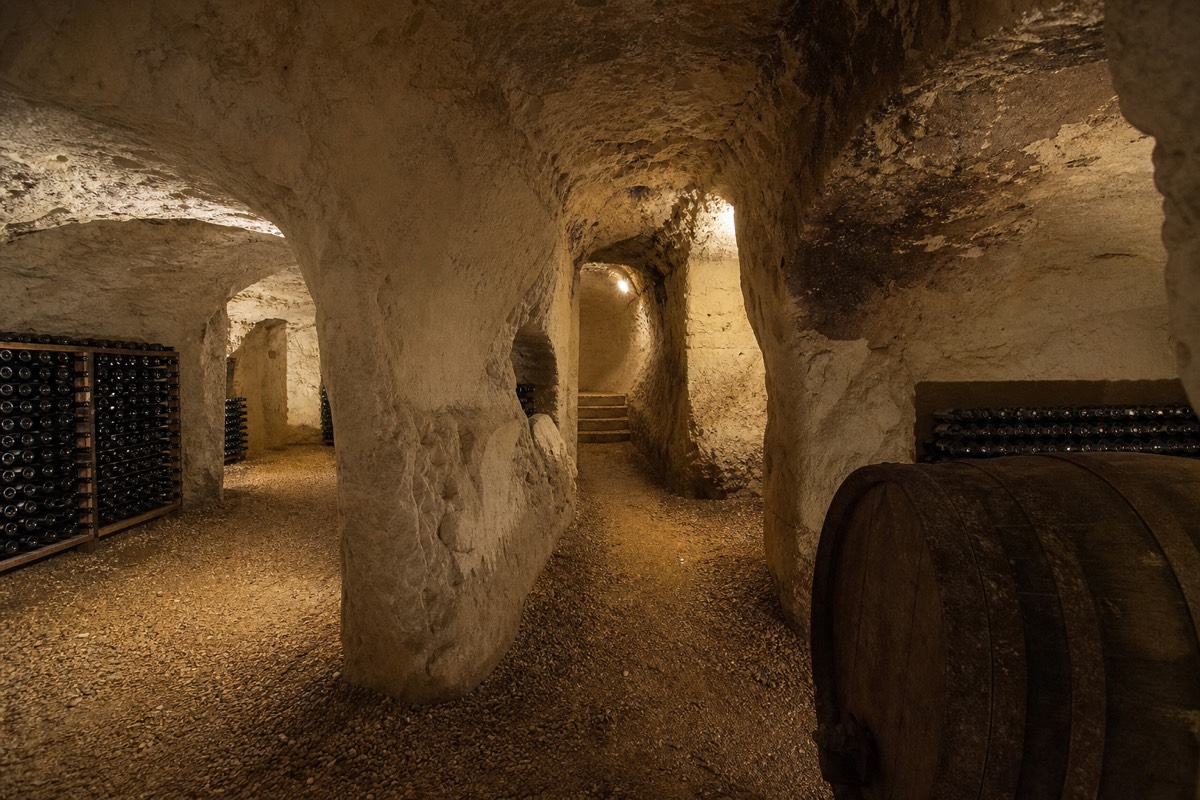
Come for the mix, not for any single thing. In a morning you can walk vine rows, taste Chenin Blanc in a limestone cellar, then tour a royal château, all within a short drive. If you already know you love wine regions and old buildings, the answer is easy. If you are weighing it against France's bigger-name wine regions, the Loire tends to win on friendliness and price, the crux of our Loire-versus-Bordeaux comparison. If a whole day of vineyards and castles sounds like a slog, this may not be your trip. Still unsure? It helps to weigh how many days you would actually give it before deciding.
What makes the Loire Valley worth the trip?
Three things stack up: the châteaux, the wine, and the river landscape that ties them together. You get grand Renaissance palaces like Chambord and Chenonceau, a wine region famous for Chenin Blanc, Sauvignon Blanc and Cabernet Franc, and quiet countryside that earned the nickname Garden of France.
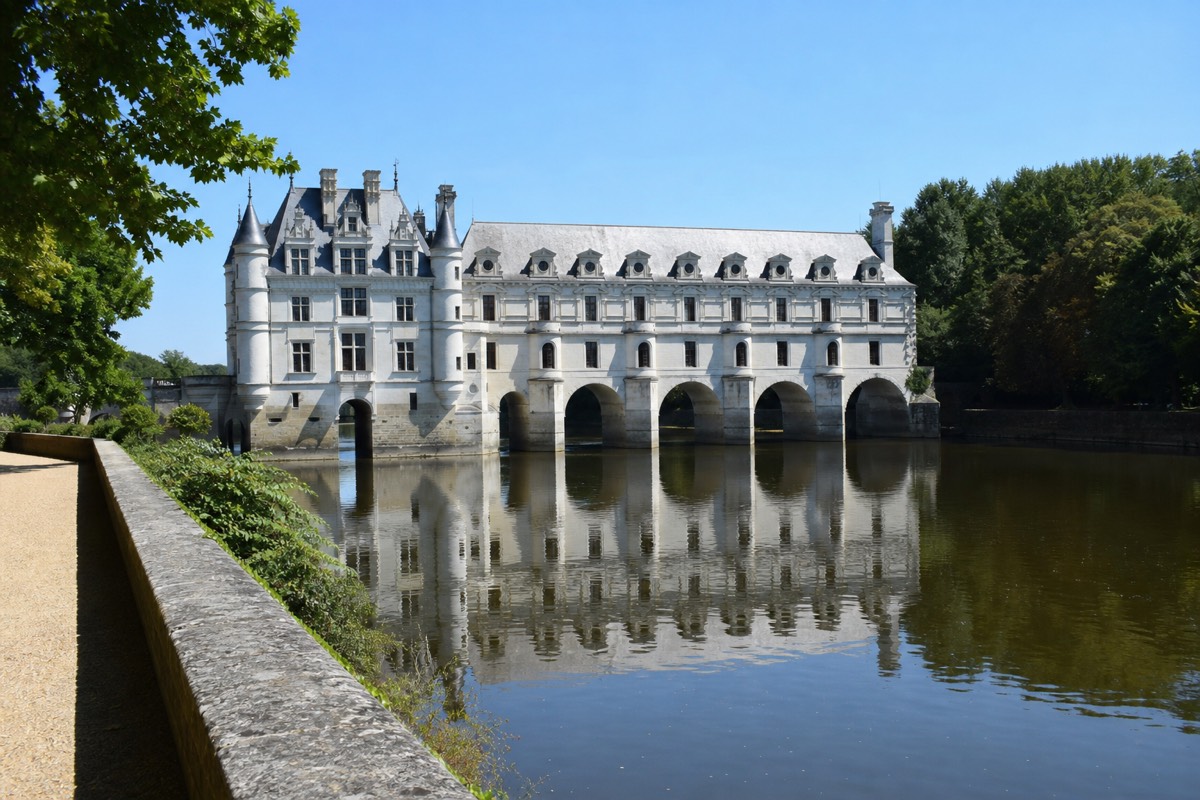
The châteaux are the headline. Chambord's double-helix staircase and Chenonceau's arches over the River Cher are the kind of sights people remember for years. Around them sit the vineyards, and this is where a wine trip beats pure sightseeing: the tastings happen in cool tuffeau cellars dug into the hillsides, often at estates that have been family-run for generations. Our own list leans into that, with cellars and family estates worth visiting chosen for welcome as much as for the wine.
What are the honest trade-offs?
The main drawback is distance. The châteaux and the best cellars sit miles apart along the river, so without a car or a guided tour you spend real time on logistics. A single day trip from Paris is doable but rushed, and the outer appellations near Sancerre and Nantes are too far to fold into a short visit.
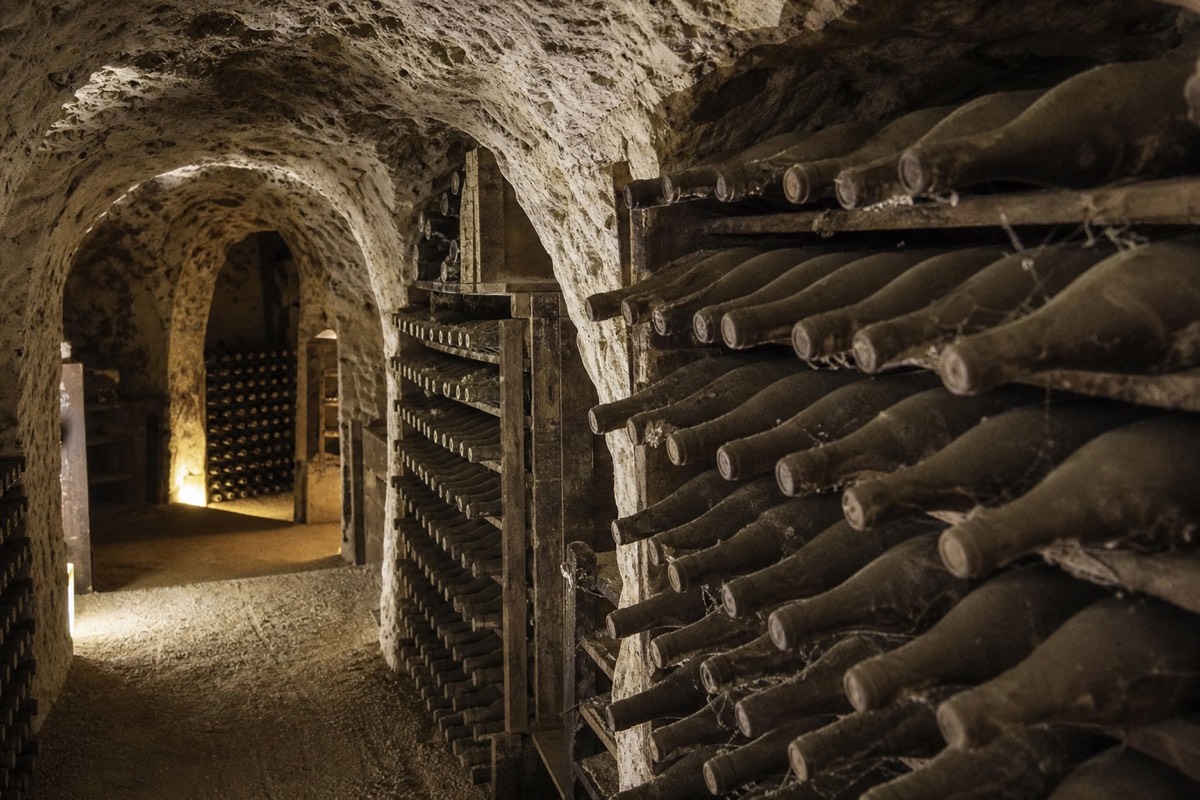
Public transport reaches the main towns of Tours, Amboise and Blois, but the vineyards themselves rarely have a station at the gate. That is the practical reason many first-timers book a guided day: the day trips we feature at Loire Valley Wine Tours handle the driving, the timing and the tastings so a tight schedule still works. If you would rather self-drive, base yourself centrally and read up on organised day trips from Paris to see which castles and cellars pair well on one loop.
Is a day trip worth it, or should you stay?
A day trip is worth it if your time is limited and you accept a long, full day of ten to thirteen hours. Staying two or three nights is worth more: you swap travel time for cellar time, see the region at its own pace, and reach appellations a day tripper never touches.
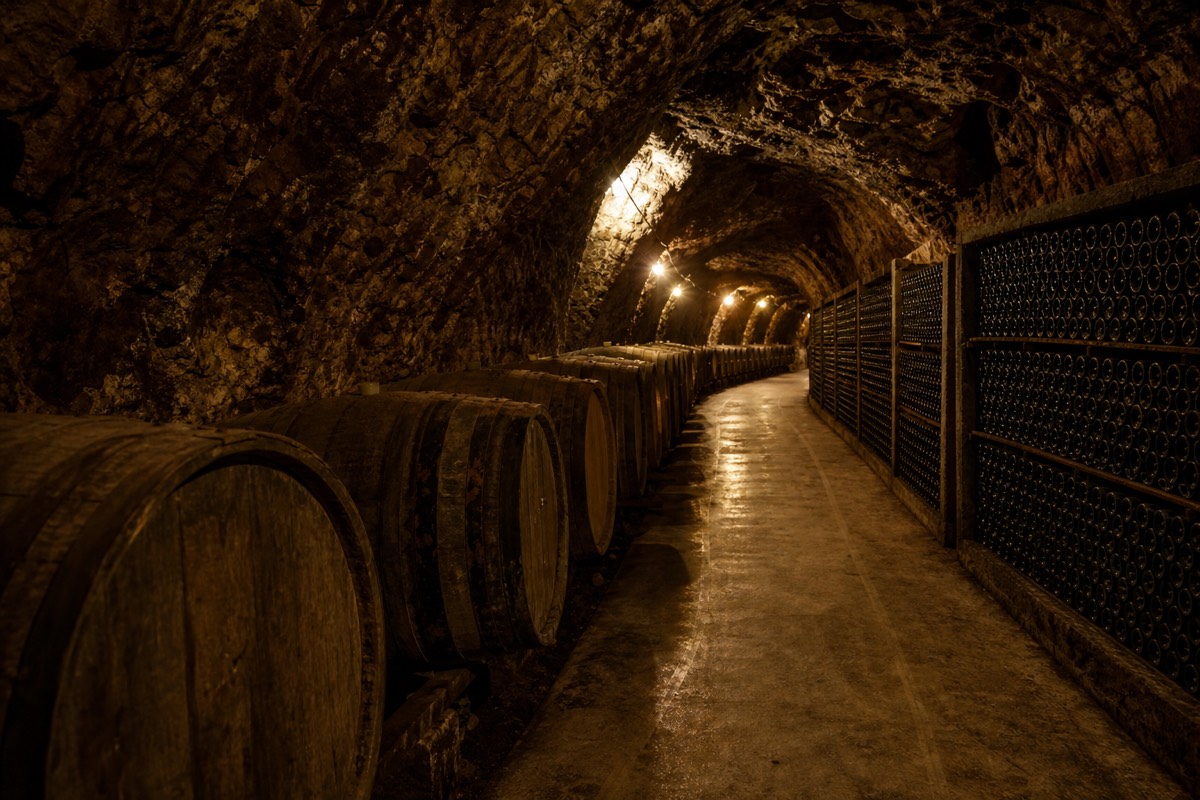
If Paris is your only fixed point, a guided castle-and-wine day like a Chambord and Chenonceau day trip from Paris gives you the highlights without the planning. With a bit more time, a small-group option such as a two-castle day with a château lunch from Tours with a private lunch trades scale for a slower, more personal visit. Either way, timing the trip for the best months for a wine trip lifts the whole experience.