Loire Valley Day Trips from Paris: Tours, Trains & Getting There
You can see the Loire from Paris and be back by dinner. Whether that means an organised tour, a fast train to Tours, or a rental car depends on what you want from the day.
The Loire is closer to Paris than most people assume. A fast train covers the gap to Tours in about the time it takes to watch a film, and organised coaches leave the capital most mornings in season. That nearness is exactly why the day trip trips people up: it looks effortless, then the logistics of castles, cellars and train transfers turn a relaxed idea into a long, tightly-timed day. This guide compares the three honest ways to do it, so you pick the one that matches what you actually want. For the wider case, see whether the Loire is worth the trip in the first place.
Budget note: prices in this guide are planning examples from the original article, not current quotes. Compare the selected provider’s date and option before relying on a figure. A private-château lunch does not make the shared tour private.
Choose the Paris departure or local meeting point before comparing the headline price.
Booking choice: Paris Chambord And Wine Day suits a Paris departure. Allow 11 hours and compare the included transport before arranging other stops.
Explore Paris Chambord And Wine DayA day from Paris: where the hours actually go
Illustrative day-length allowances, not fixed schedules. Travel times run to the Tours and Amboise area; confirm current timetables before you travel.
What is the best way to do the Loire Valley as a day trip from Paris?
There are three real options: an organised coach tour that handles everything door to door, a fast train to Tours or Blois followed by a local tour or transfer, or a rental car for full flexibility. The coach is easiest for first-timers, the train is fastest to a single base, and the car reaches the most cellars if someone is willing to drive and skip the wine.
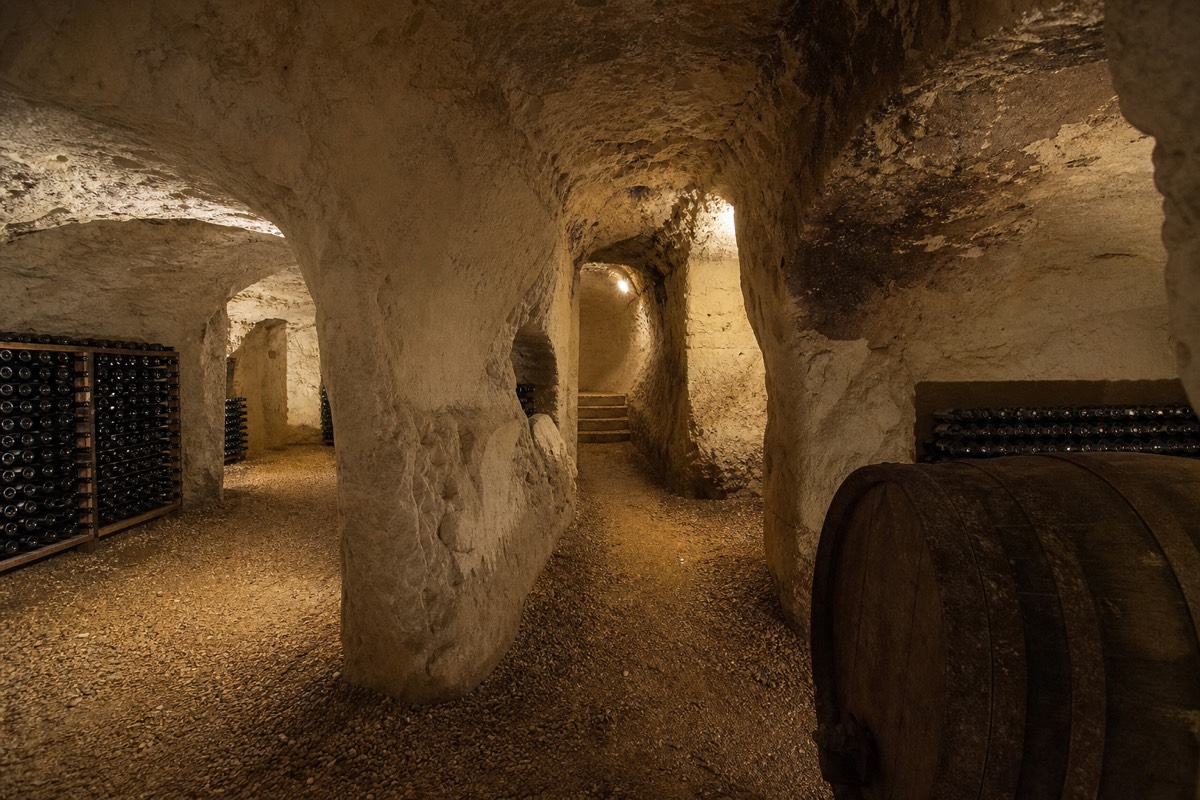
Each choice trades one thing for another. The coach removes every decision and every transfer, but it fixes your route and your timing. The train is quick and civilised, yet it drops you in a city, not at a vineyard gate, so you still need a plan for the last few miles. The car opens up small family cellars that no bus reaches, at the cost of a designated driver and a long stint behind the wheel. The table sets the three side by side.
| Option | Rough door-to-door day | Rough cost per person | Flexibility | Best for |
|---|---|---|---|---|
| Organised coach tour | 11 to 13 hours | Mid, one fixed price | Low, set route | First-timers who want zero logistics |
| Train to Tours plus local tour | 11 to 12 hours | Varies, train plus a local guide | Medium | Speed to a single base, no driving |
| Self-drive rental car | 12 to 13 hours | Rental, fuel, tolls, parking | High | Reaching small cellars, groups sharing cost |
If none of these feels right, that is a useful signal in itself. Plenty of travellers who start out planning a day trip end up staying over instead, and how many days you actually need is worth reading before you commit.
How long is the train from Paris to the Loire Valley?
The fast train from Paris-Montparnasse reaches Tours in around one hour to one hour fifteen, and Blois in roughly one hour thirty. Amboise has no direct high-speed service: you change at St-Pierre-des-Corps, the Tours-area station, onto a short local train. Trains run frequently through the day, which makes the train the quickest way to a Loire base.
Speed is the train's strong suit, and it is genuinely fast. The catch is the last leg. Tours and Blois are cities, not wine villages, so from the station you still need a local wine tour with pickup, a taxi, or a pre-booked transfer to reach the vineyards and castles. That handoff is where a self-planned train day can lose an hour or two if it is not arranged in advance. For the full route breakdown, including onward connections, see the train times from Paris in detail.
| Route from Paris | Departure station | Typical time | Change? |
|---|---|---|---|
| Paris to Tours | Montparnasse | About 1h05 to 1h15 | Direct high-speed |
| Paris to Blois | Austerlitz or Montparnasse | About 1h30 | Usually direct |
| Paris to Amboise | Montparnasse | About 1h30 to 1h50 total | Change at St-Pierre-des-Corps |
| Paris to Saumur / Angers | Montparnasse | From about 1h30 | Regional connection, further west |
Times shift with the timetable and the service, so confirm current national rail schedules close to your travel date rather than relying on a fixed figure. The pattern, though, is stable: Tours is the fastest and most useful arrival point for a wine-focused day.
Organised tour, train or self-drive: which should you pick?
Pick the coach if you value a hands-off day and are happy to follow a set route to two or three famous castles. Pick the train plus a local tour if you want speed and no driving but still want a guide for the vineyards. Pick the car only if someone will stay sober to drive and you want to reach smaller, lesser-known cellars.
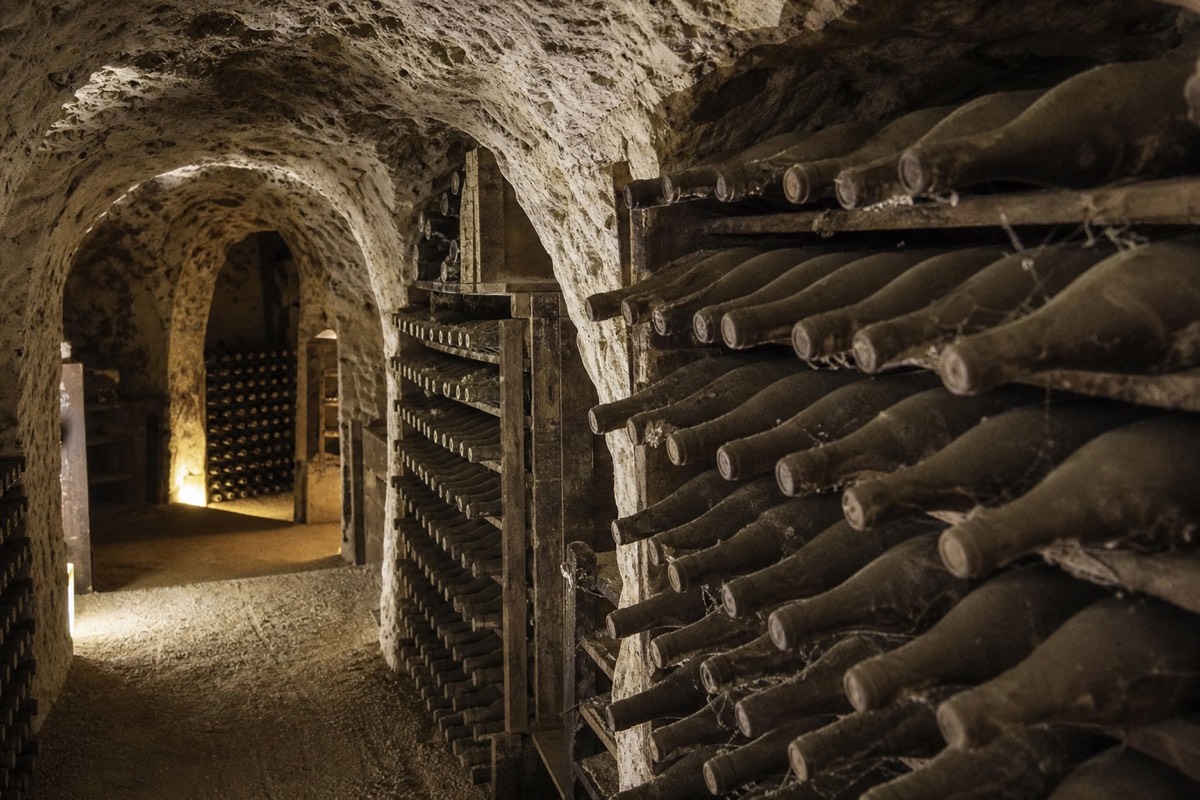
The deciding question is usually the wine. A coach day out of Paris is built around castles first and includes a tasting or two, rather than a deep cellar crawl. If tasting widely matters more than ticking off the grandest castles, a local base changes the maths, and a small-group day such as a small-group day from Tours with a private château lunch gets you closer to the wine while someone else drives. To understand which appellations you are tasting when you get there, keep the region's appellations and grapes to hand.
Budget shapes the decision as much as taste does. Two travellers almost always find the coach the better value once castle entry and transport are counted in, while four or more can make a rental car pay by splitting the fixed hire, provided one of them is content to drive and taste little. A couple who want depth without the wheel often land on the train to a Tours base, then a small local tour that reaches cellars a coach never stops at. There is no single right answer, only the one that fits your group and your appetite for arranging things.
What can you actually reach and taste each way?
A Paris coach day typically reaches two headline castles, most often Chambord and Chenonceau, with a complimentary tasting in a castle cellar. A train-plus-local day covers the Tours area, from Vouvray to Amboise. A car can chain several small cellars across Touraine in a day, but only if the driver abstains, which limits the tasting for one person.
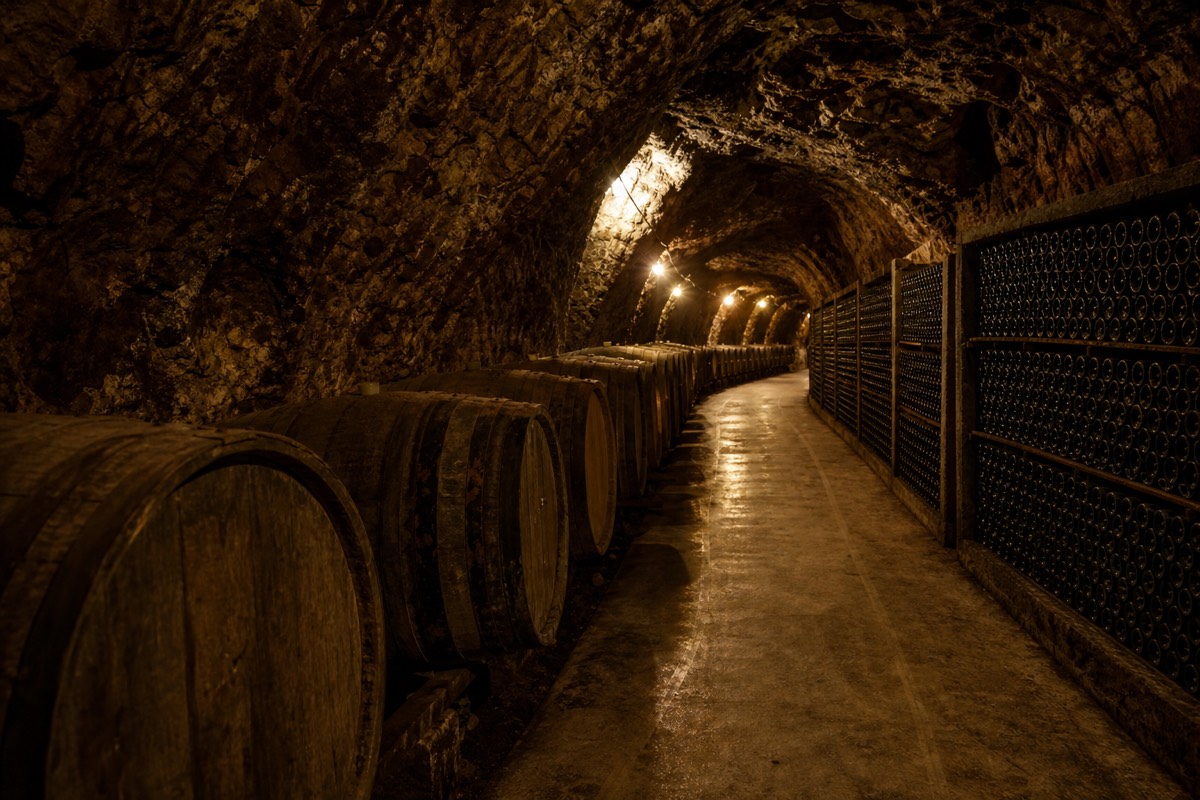
Both grand castles reward the visit on their own terms. The double-helix staircase and rooftop skyline of Chambord are a highlight of any first trip, and the official Château de Chambord site is the place to confirm opening hours. Chenonceau, arching over the River Cher, is the other must-see, with its vaulted kitchens set into the bridge piers; the Château de Chenonceau site covers current access. The wine, on a coach day, is a taste rather than a tour, so manage expectations accordingly.
| Option | Castles reached | Wine areas | Tastings |
|---|---|---|---|
| Paris coach tour | Usually Chambord and Chenonceau | Central Loire around Blois and the Cher | One complimentary cellar tasting |
| Train plus local tour | Amboise, sometimes Chenonceau | Vouvray, Amboise, Touraine | Two to four estate tastings |
| Self-drive car | Your pick, subject to driving time | Vouvray, Chinon, Amboise and beyond | Several, but the driver abstains |
What does a Loire day from Paris cost?
Costs vary by season and party size, so treat prices as an allowance rather than a fixed figure. A coach tour bundles transport, castle entry and a tasting into one mid-range price. A train day is the train fare plus a local tour or transfers. A rental car spreads across a group but adds fuel, tolls and parking on top of the hire.
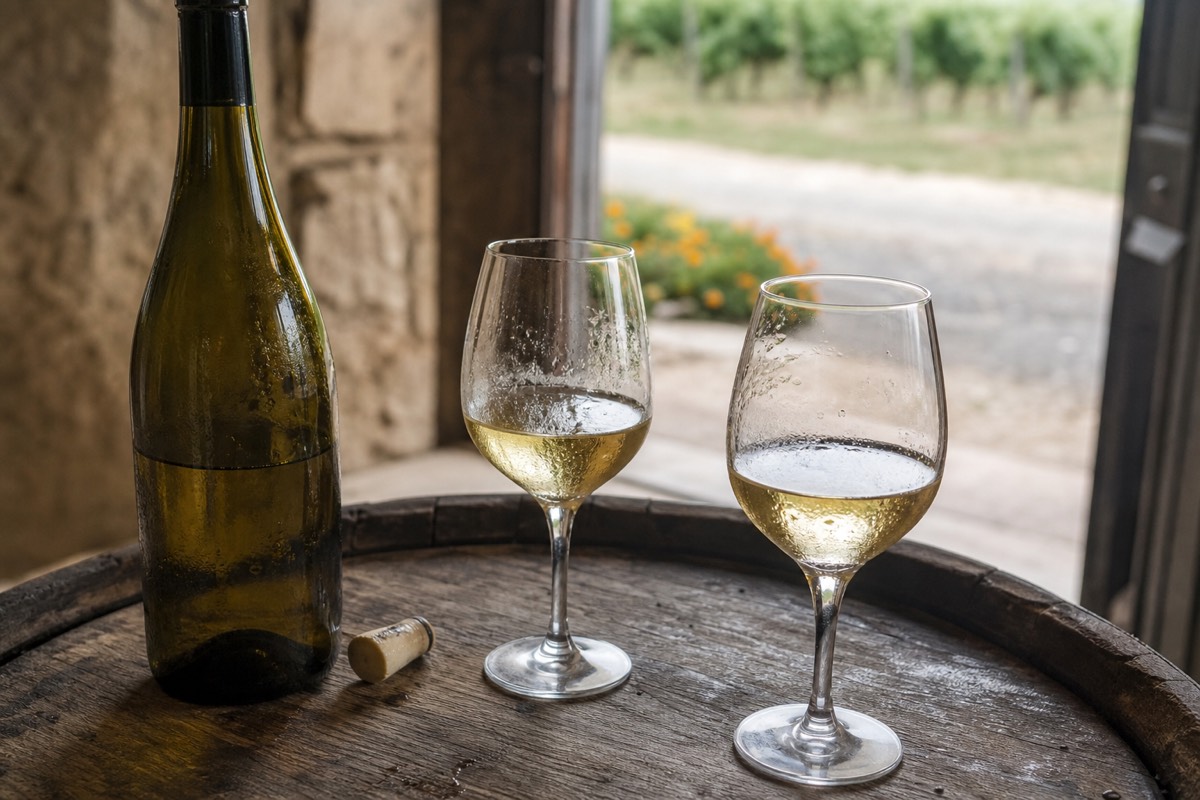
The cheapest option depends entirely on group size. Two people almost always come out ahead on an organised coach tour, because the fixed price already folds in castle entry and transport that they would otherwise buy separately. A family of four or a group of friends can make the rental car work, since the fixed hire cost splits several ways, provided one of them accepts the driving. The table lays out where the money goes rather than quoting hard numbers, which move with the calendar.
| Line item | Coach tour | Train plus local | Rental car |
|---|---|---|---|
| Getting there | Included | Train fare each way | Hire, fuel, tolls |
| Castle entry | Usually included | Paid on the day or in the tour | Paid at each castle |
| Tasting | One included | Included in the local tour | Cellar fees, often refunded on purchase |
| Lunch | Often at your own cost | Your own cost | Your own cost |
| Parking | Not your problem | Not your problem | Add it at every stop |
What does a sample timed day from Paris look like?
A realistic coach day runs from roughly 7am to 8 or 9pm. Expect two to three hours of travel each way, split around six to eight hours in the valley: one grand castle in the morning, a town break for lunch, a second castle and a cellar tasting in the afternoon, then the drive back. A self-planned train day follows a similar rhythm on a shorter leash.
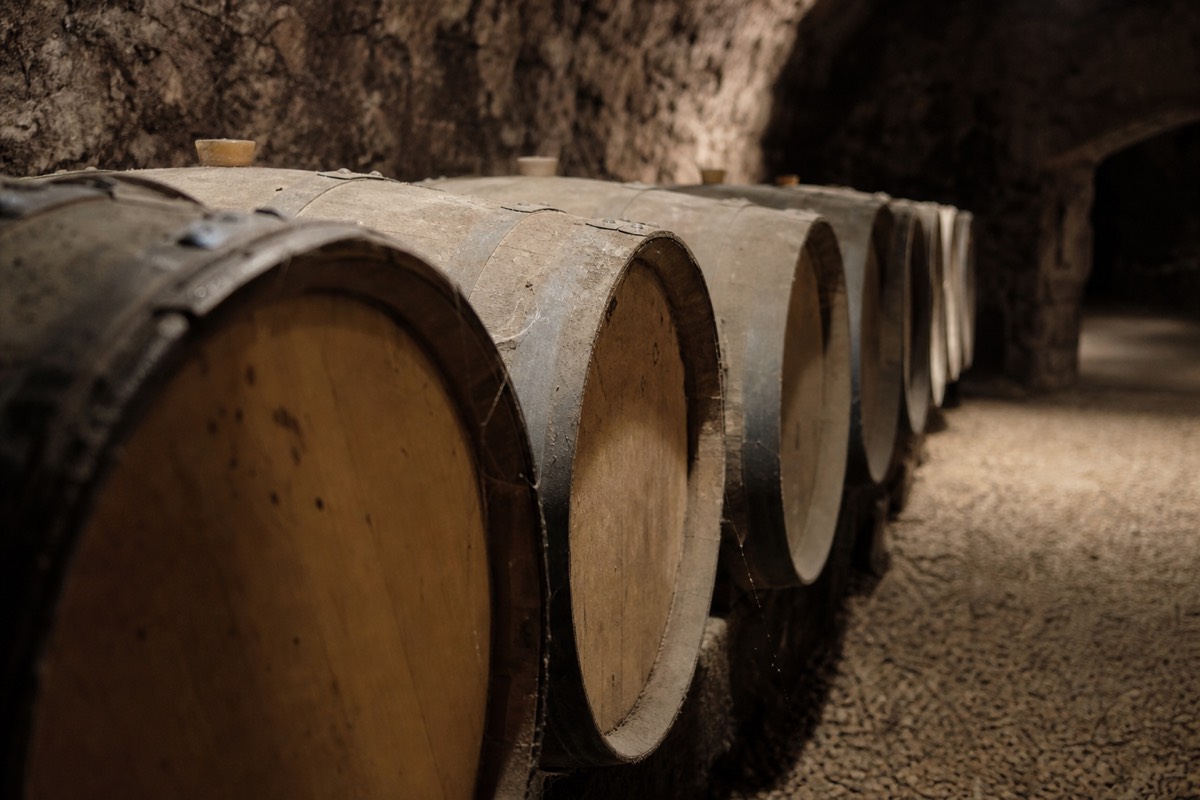
Seeing the shape written out helps you judge whether the day suits you. The two columns below show a typical organised coach day beside a do-it-yourself train day, both starting early and finishing late. Neither is a lazy day; both deliver a genuine taste of the region if you accept the pace. The whole area falls within the UNESCO World Heritage stretch of the Loire, so even the drives between stops are scenic.
| Time | Organised coach day | Do-it-yourself train day |
|---|---|---|
| Early morning | Meet in central Paris, board the coach | Fast train from Montparnasse to Tours |
| Late morning | Arrive at the first castle, self-guided visit | Meet a local guide or collect a transfer |
| Midday | Free time for lunch in a Loire town | Vineyard tasting, then lunch |
| Afternoon | Second castle plus a cellar tasting | A second estate or a castle visit |
| Evening | Coach back, arrive Paris around 8 to 9pm | Return train, arrive Paris mid-evening |
What should you sort out before a Loire day trip?
Before you go, settle four things: book castle entry or a tour in advance, check which castles close on which days, plan lunch rather than leaving it to chance, and pack a light layer for the cool cellars. On a coach day, travel light too, because there is usually no room for large bags or strollers on board.
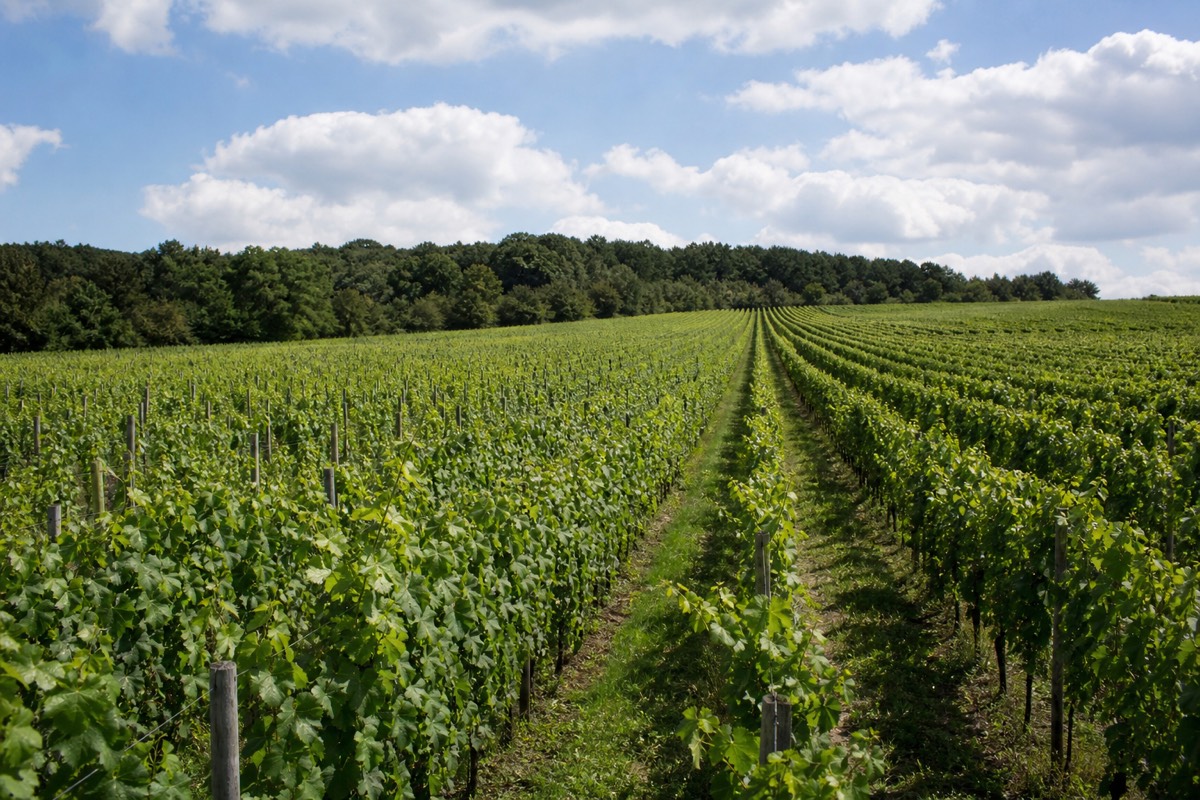
A little planning is the difference between a smooth day and a scramble. Timed entry and small-group tours can sell out in peak season, so a booking made ahead is one less thing to worry about at the gate. Opening days catch people out: some castles close one day a week or trim their hours in winter, and confirming times on each official site beats arriving to a locked door. Lunch is the other quiet trap, since Loire towns fill up at midday; a booked table or a packed picnic saves an hour of wandering. The cellars, finally, stay cool through the hottest summer, so a light jacket earns its place in your bag even in July.
| Sort this | Why it matters | Note |
|---|---|---|
| Book castle entry or a tour | Peak days sell timed slots | Skip-the-line access saves the queue |
| Check opening days | Some castles close a day a week or cut winter hours | Confirm on the official site |
| Plan lunch | Loire towns are busy at midday | A picnic or a booked table beats a scramble |
| Pack a light layer | Cellars stay cool year round | True even in high summer |
| Travel light on coaches | No storage for large bags | Leave luggage at your Paris hotel |
One more habit worth forming: build in slack. A day trip has no spare time to give back, so a train missed or a long lunch can unravel the afternoon. Aim to reach the meeting point or station with a comfortable margin, and treat the printed schedule as the fullest possible day rather than a promise.
Who should skip the day trip and stay over instead?
Skip the day trip if you care most about tasting widely, if you want time to slow down, or if the idea of a twelve-hour day with hours on the road sounds like hard work. Two or three nights in the valley turn a rushed highlight reel into a real visit, with evening light on the vineyards and cellars you would never reach on a bus.
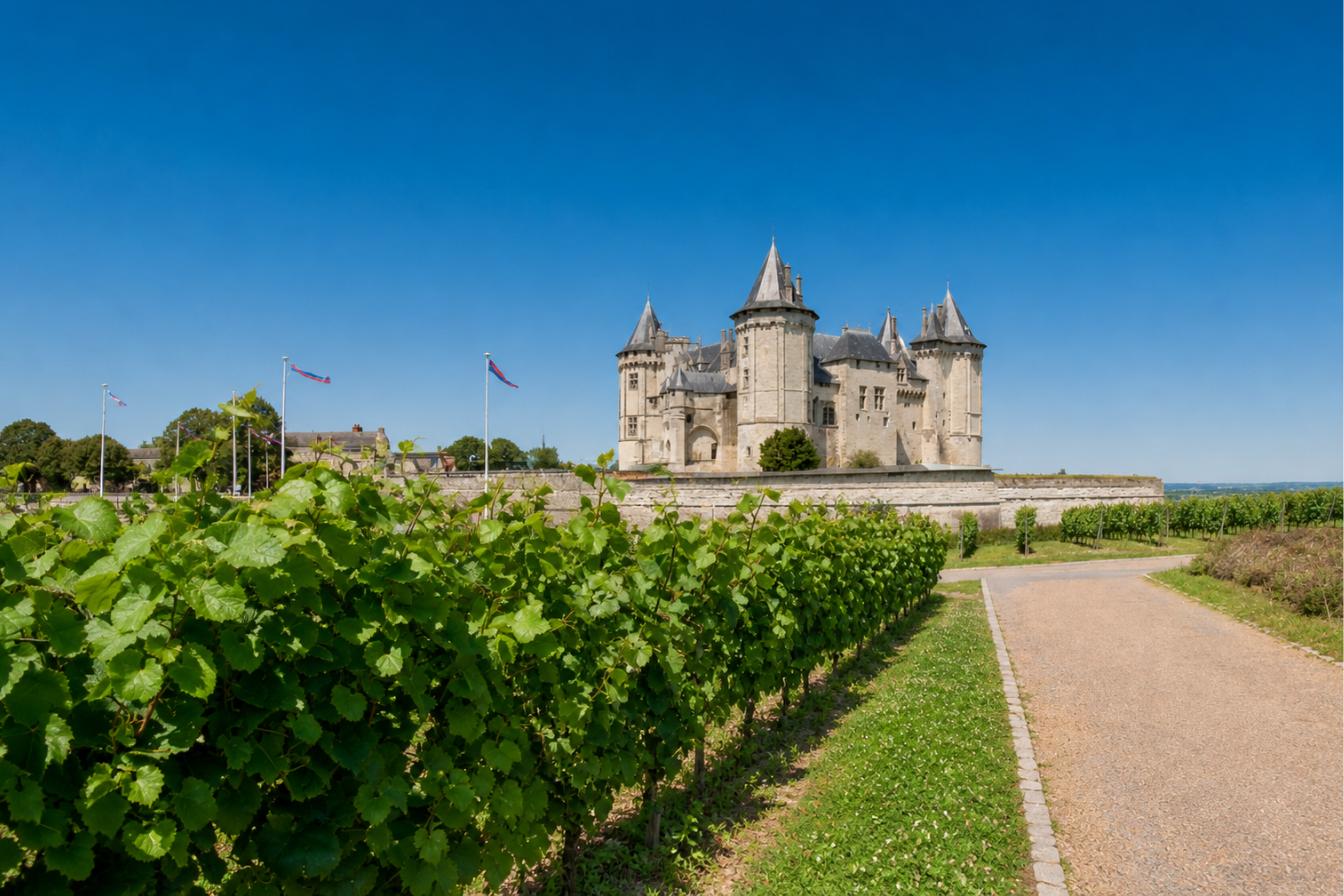
The day trip earns its place when time is genuinely short, when the castles matter more than the cellars, or when the Loire is one stop in a busy France itinerary. Beyond that, staying over wins on almost every count. A local base opens up the small growers, relaxed lunches and the chance to build a route spread over two or three days. It also settles the eternal question of where to base a wine trip, which is a happier problem than watching the clock on a coach.
| Traveller | Day trip from Paris | Two to three nights |
|---|---|---|
| Short on time, castles first | Good fit | Nice, not essential |
| Wine is the whole point | Frustrating | Much better |
| Want a relaxed pace | Too rushed | Ideal |
| Travelling with children | A long day for them | Far easier |
Which day trip from Paris should you book?
If you want the castles with no logistics, book a full coach day from Paris that pairs Chambord and Chenonceau with a cellar tasting. If you would rather trade a little grandeur for more wine and a smaller group, take the fast train to a Tours base and join a local tour there. Both are proven ways to see the valley in a single day.
For the hands-off route, a full day tour from Paris to Chambord and Chenonceau is the classic choice, handling transport, castle entry and the tasting in one booking. For a wine-led day from a local base, the small-group option from Tours goes deeper into the cellars while someone else drives. Whichever you lean toward, a quick look at the cellars worth a detour helps you judge what a given day actually delivers. Booking through Loire Valley Wine Tours keeps live prices, times and cancellation windows in one place, so you can compare the day trips side by side before you commit.